
- Understanding Basement Flooding and Mold Growth
- Steps to Prevent Mold After Basement Flooding
- How to Effectively Clean Your Basement After a Flood
- Common Mistakes to Avoid During Cleanup
- When to Call for Professional Help
Understanding Basement Flooding and Mold Growth
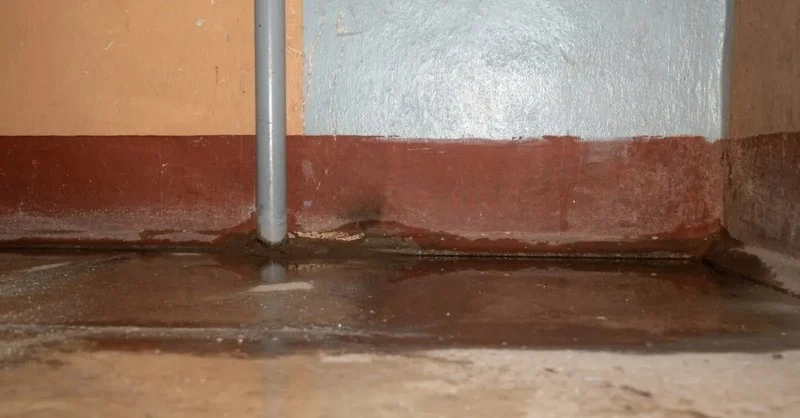
Basement flooding is a common issue for homeowners, especially in areas prone to heavy rainfall or poor drainage. While water damage itself can be destructive, the real concern often comes afterward: mold growth. Mold thrives in damp, warm environments like a flooded basement, and if not addressed promptly, it can spread quickly, causing damage to your property and posing health risks.
If you’ve recently experienced basement flooding, it’s crucial to act quickly to prevent mold from taking hold. In this article, we’ll walk you through the essential steps to prevent mold, clean up water damage effectively, and protect your home from future flooding issues.
Giants / dry kings restoration of san francisco
San FranciscoSan Francisco CountyCalifornia
685 Geary Blvd, San Francisco, CA 94102, USA
Steps to Prevent Mold After Basement Flooding
Preventing mold growth after flooding requires quick action and thorough cleanup. Follow these key steps to safeguard your basement:

Kustom US Restoration / kustom restoration
1215 W Houston Ave Suite A, Gilbert, AZ 85233, USA
1. Remove Standing Water Immediately
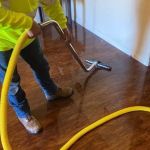
The first thing you should do when your basement floods is to remove any standing water. Mold can start to grow within 24–48 hours, so the quicker you can get rid of the water, the better. Use a wet/dry vacuum or a pump to remove as much water as possible. If the flooding is severe, consider renting a professional water extraction tool or hiring a company that specializes in water removal.
2. Dry the Area Thoroughly
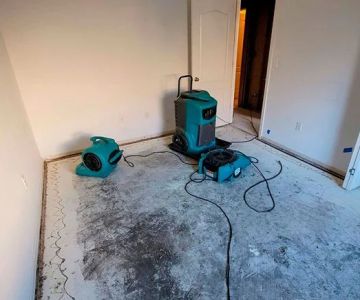
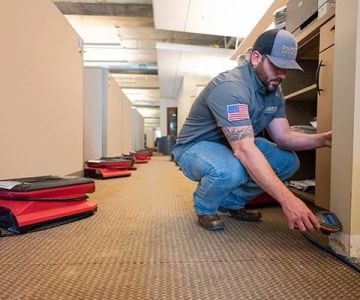
Once the water has been removed, drying your basement thoroughly is the next crucial step. Use fans, dehumidifiers, and open windows to increase airflow and speed up the drying process. In addition to these methods, if the weather is dry, you can consider setting up a dehumidifier to draw moisture from the air.
3. Inspect for Mold Growth Early
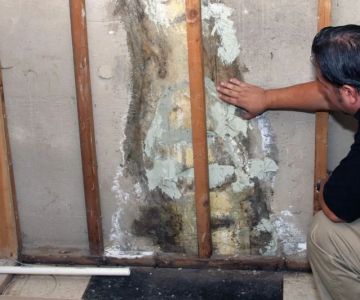
Even with prompt water removal and drying, mold may still form. Regularly check the basement for signs of mold, particularly in corners, behind furniture, or along the baseboards. If you spot any mold, treat it immediately to prevent it from spreading further.
4. Disinfect and Clean All Surfaces
Once the basement is dry, clean all surfaces thoroughly. Mold spores can attach to many surfaces, so it’s important to disinfect everything that came into contact with the water. Use a solution of water and bleach or a commercial mold cleaner to sanitize the affected areas. Make sure to scrub areas where mold might start to grow, like concrete, wood, or drywall.
How to Effectively Clean Your Basement After a Flood
Cleaning your basement after a flood requires careful attention to detail. Here’s how to go about it:
1. Remove Wet Materials
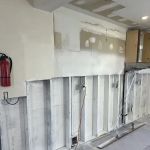
If your basement contains materials that have absorbed water (like carpets, insulation, or drywall), remove them as soon as possible. These materials are often breeding grounds for mold, and leaving them behind can cause further damage. If items like books or fabrics got wet, dry them out or dispose of them to prevent mold growth.
2. Clean and Sanitize Furniture
For furniture that’s still usable, clean and sanitize it thoroughly. Mold can grow on soft fabrics, so consider washing removable covers and using steam cleaning for upholstered items. For hard furniture, wipe down every surface with disinfectant or mold-killing cleaning solutions.
3. Dry Out the Flooring
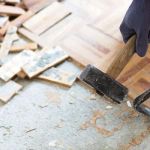
If your basement has tile, wood, or concrete floors, make sure to dry them completely. Use fans and dehumidifiers to dry the flooring and prevent mold from seeping into the cracks. If the flooding caused damage to your flooring, replacing it might be necessary.
Common Mistakes to Avoid During Cleanup
Many homeowners make mistakes during the cleanup process that can increase the risk of mold growth. Here are some common errors to avoid:
1. Not Acting Quickly Enough
Time is of the essence when it comes to mold prevention. If you wait too long to remove the water or dry out your basement, mold will have the chance to take hold. Start the cleanup process as soon as the flooding stops.
2. Not Using Proper Mold Prevention Products
When cleaning up after a flood, using the right products is essential. Ordinary household cleaners may not be enough to prevent mold. Invest in mold-killing cleaners or use a diluted bleach solution to ensure thorough disinfection.
3. Overlooking the Need for Professional Help
If you’re unsure about the extent of the water damage or mold growth, it’s a good idea to contact a professional. A mold remediation specialist can help identify hidden mold, treat severe cases, and ensure that your basement is fully restored to a safe condition.
When to Call for Professional Help
In some cases, the damage caused by basement flooding may be too severe to handle on your own. If you encounter any of the following situations, it’s time to call a professional:
1. Extensive Mold Growth
If mold covers large areas of your basement or is deeply embedded in materials like drywall or carpeting, professional mold removal is recommended. A specialist will have the tools and expertise to safely remove the mold and prevent it from returning.
2. Structural Damage
If the flooding has caused significant damage to the structure of your basement (e.g., cracked foundations, warped beams, or weakened floors), contact a contractor who specializes in water damage restoration to ensure the integrity of your home.
3. Persistent Musty Odors
Even after cleaning, if you notice a musty smell that doesn’t go away, it could be a sign that mold is still present. In such cases, professional remediation services can help locate and remove mold that’s difficult to detect.
Taking the right steps to prevent mold after basement flooding is essential to maintaining a safe and healthy living environment. For more expert advice and high-quality mold prevention products, visit 【Reliable Damage Hub】 to find the best solutions for your needs!
 Blaze Restoration Inc.0.0 (0 reviews)
 Fort Worth Water Damage Restoration4.0 (14 reviews)
 Rainbow Restoration of Taylorsville5.0 (5 reviews)
 Premier Water5.0 (3 reviews)
 Atlanta Water Fire Damage4.0 (18 reviews)
 Dr Mold Removal4.0 (30 reviews)
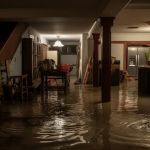 How to Handle Water Damage in Your Basement: Step-by-Step Guide
 Why It’s Important to Address Water Damage Immediately: Protect Your Home
 How to Restore Water-Damaged Ceiling Tiles in Your Home or Office
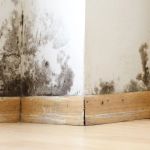 How to Spot Water Damage Early: Key Signs to Look for Before It's Too Late
 How to Prevent Water Damage in Your Home’s Plumbing Pipes
 How to Handle Water Damage Claims With Your Insurance