
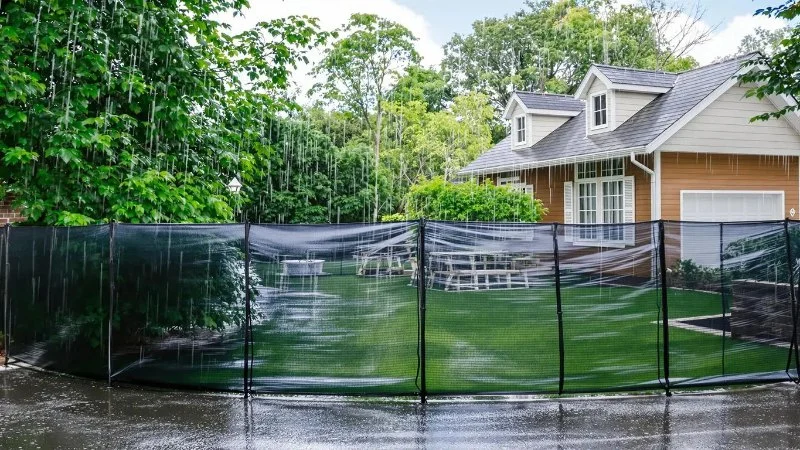
How to Protect Your Home from Water Damage During a Hurricane
- Preparing Your Home for a Hurricane: Basic Tips
- Sealing Your Home to Prevent Water Infiltration
- Ensuring Proper Drainage and Flood Prevention
- Real-Life Case: Protecting a Home During a Hurricane
1. Preparing Your Home for a Hurricane: Basic Tips
When preparing for a hurricane, one of the biggest concerns is the potential for water damage. Hurricanes bring strong winds, heavy rainfall, and storm surges, all of which can lead to flooding in and around your home. While it’s impossible to control the weather, there are several steps you can take to minimize the risk of water damage.
Giants / dry kings restoration of san francisco
San FranciscoSan Francisco CountyCalifornia
685 Geary Blvd, San Francisco, CA 94102, USA
1.1 Strengthening Your Roof and Windows
One of the first things to consider is the structural integrity of your home. Ensure that your roof is in good condition, as a damaged roof can quickly lead to leaks during heavy rain. Inspect shingles and repair any that are loose or missing. Additionally, reinforce your windows with storm shutters or plywood to prevent water from entering through broken glass. Properly securing your roof and windows helps reduce the chances of water infiltration during the storm.
Drip Restoration / valleywide restoration mesa az
932 S Stapley Dr, Mesa, AZ 85204, USA
1.2 Installing a Sump Pump
A sump pump is a valuable tool for preventing water damage in basements or lower levels of your home. If your area is prone to flooding, consider installing a battery-powered sump pump that will continue working even if the power goes out during the storm. Sump pumps help divert water away from your foundation and prevent it from flooding your home’s interior.
2. Sealing Your Home to Prevent Water Infiltration
Sealing your home properly can make a huge difference in preventing water from entering during a hurricane. Water can seep through cracks in the foundation, around doors and windows, or even through the roof. By taking steps to seal these potential entry points, you can reduce the likelihood of water infiltrating your home.
2.1 Caulking and Sealing Doors and Windows
Check all doors and windows for gaps, cracks, or worn-out weather stripping. Use high-quality caulk to seal any small gaps around frames, and replace weather stripping if needed. For larger gaps or areas that are prone to flooding, consider using sandbags to create a physical barrier to water. Proper sealing can keep rainwater from entering through areas where you might not expect it.
2.2 Inspecting and Sealing the Foundation
One of the most important areas to check is your foundation. Small cracks can let water seep into your basement or crawl spaces during heavy rain. Inspect your foundation regularly and seal any cracks with epoxy or waterproofing materials. If flooding is a frequent concern, you may also want to apply a water-resistant sealant to the entire foundation to provide an additional layer of protection.
3. Ensuring Proper Drainage and Flood Prevention
Proper drainage is key to keeping your home safe during a hurricane. Heavy rains often lead to flooding, especially if the drainage systems around your home aren’t functioning properly. Taking proactive steps to ensure water flows away from your home will help prevent flooding and water damage.
3.1 Clean Gutters and Downspouts
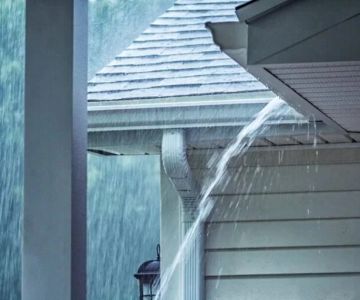
Clogged gutters and downspouts can prevent rainwater from flowing off your roof and away from your foundation. Before hurricane season, clean your gutters and downspouts thoroughly to ensure they are clear of debris. Consider installing gutter guards to prevent future blockages. Additionally, ensure that your downspouts extend at least 3-4 feet away from your home to direct water away from the foundation.
3.2 Installing a French Drain or Drainage System
If your property is prone to flooding or standing water, installing a French drain or other drainage systems can help redirect water away from your home’s foundation. These systems are designed to carry water from around the base of your home to a safer location, preventing water from pooling and causing damage.
4. Real-Life Case: Protecting a Home During a Hurricane
Consider the story of the Johnson family, who lived in a coastal area that frequently experienced hurricanes. They took the necessary steps to protect their home, including reinforcing their roof, sealing doors and windows, and installing a sump pump. During one particularly severe hurricane, their home was subjected to heavy rainfall and strong winds, but their preparations paid off. While many neighbors experienced flooding and water damage, the Johnsons’ home remained dry and safe, thanks to their proactive efforts.
John, the father of the family, noted that the storm’s impact was much less severe because they took the time to prepare in advance. Their home wasn’t perfect, but the added layers of protection they put in place kept the water out. The family’s experience is a testament to how important it is to prepare for water damage before a storm hits.
5. Conclusion
Protecting your home from water damage during a hurricane requires careful planning, preparation, and a commitment to ensuring that all vulnerabilities are addressed. From strengthening the roof and windows to ensuring proper drainage and sealing entry points, every step you take makes a difference. While it’s impossible to control nature, you can take proactive measures to reduce the chances of severe water damage. By doing so, you’ll give your home the best possible chance of weathering the storm safely and securely.
 tradePRO | Certified Repair Program4.0 (172 reviews)
 Phoenix Renovation and Restoration of Kansas City4.0 (172 reviews)
 ServiceMaster Restoration4.0 (45 reviews)
 Simpson Restoration5.0 (9 reviews)
 American Restoration4.0 (24 reviews)
 Fire & Flood Restoration- VOX5.0 (65 reviews)
 Water Damage Repair for Wall Panels and Trim – Expert Solutions
 Top 5 Water Damage Restoration Myths Debunked
 How to Handle Water Damage From Roof Flashing Failures
 Water Damage Restoration for Hotels and Motels: Fast and Reliable Solutions
 How to Handle Water Damage from Basement Condensation
 How to Clean Water-Damaged Carpeting and Area Rugs