
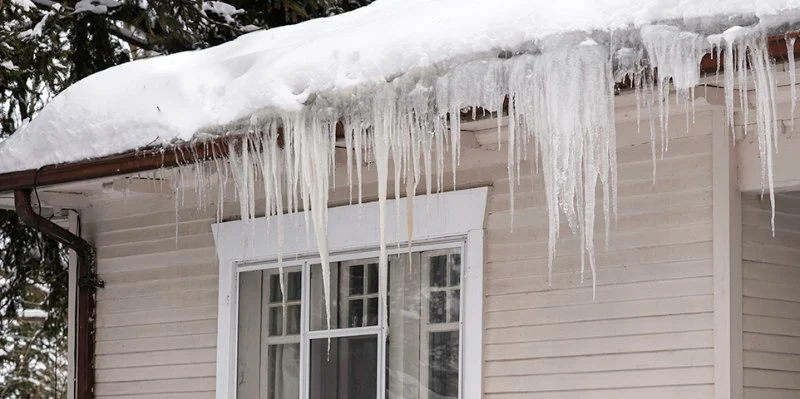
How to Protect Your Property from Water Damage During Heavy Snowfalls
- 1. Understanding Snowmelt and Water Damage
- 2. How to Prepare Your Roof for Heavy Snowfall
- 3. Insulating and Sealing Your Property to Prevent Water Damage
- 4. Clear Drains and Gutters to Prevent Ice Dams
- 5. Monitoring and Maintaining Your Property During Snowfall
- 6. When to Call a Professional for Snow and Water Damage Prevention
1. Understanding Snowmelt and Water Damage
When heavy snowfalls occur, they may seem harmless at first, but the melting snow can lead to significant water damage. As temperatures rise, snow begins to melt and water can accumulate in places where it shouldn’t, such as your roof, basement, or around your foundation. The thawing process may lead to leaks, cracks in walls, and water pooling in areas that can cause lasting damage if not managed properly.
Understanding how snowmelt affects your property and taking steps to prevent water from entering your home is critical in avoiding costly repairs. The combination of snow, ice, and water can cause structural damage if not addressed promptly.
SERVPRO of Pompano Beach / servpro fort lauderdale south
Pompano BeachBroward CountyFlorida
2101 NW 33rd St #200a, Pompano Beach, FL 33069, USA
2. How to Prepare Your Roof for Heavy Snowfall
Your roof is the first line of defense against snow and water damage. To protect your home, ensure that your roof is properly prepared for the weight of snow and ice buildup. Here are some essential steps:
- Inspect and Repair the Roof: Check for loose shingles, cracks, or areas that may allow water to seep in. Make any necessary repairs before snow begins to accumulate.
- Install Heat Cables: Consider installing heat cables along the edges of your roof. These can help prevent the formation of ice dams, which can block proper drainage and lead to water backing up under shingles.
- Ensure Proper Roof Slope: A well-sloped roof allows snow to slide off naturally, reducing the risk of heavy snow accumulation. If you have a flat roof, make sure to clear snow accumulation regularly to prevent sagging or collapse.
3. Insulating and Sealing Your Property to Prevent Water Damage
Proper insulation and sealing are essential to keeping warm air inside your home and preventing heat from escaping into your attic. When warm air escapes, it can cause the snow on your roof to melt prematurely, leading to water damage. Here's how you can protect your property:
- Seal Gaps and Cracks: Ensure that windows, doors, and vents are properly sealed. Gaps can let in cold air and increase the risk of snowmelt.
- Insulate Your Attic: Adding extra insulation in your attic will help prevent heat from escaping through the roof, keeping snow frozen longer and reducing the risk of premature melting.
- Insulate Pipes: Frozen or burst pipes can cause significant water damage during snowstorms. Insulate pipes in vulnerable areas like basements and attics to prevent freezing.
4. Clear Drains and Gutters to Prevent Ice Dams
Ice dams are a common problem caused by blocked gutters and downspouts. When gutters are filled with leaves, dirt, or snow, they prevent water from flowing freely, leading to backups that can cause water damage to your roof and walls. Here's how to clear and maintain your gutters:
- Regular Gutter Cleaning: Before winter sets in, clean your gutters thoroughly to remove debris. Clogged gutters will trap melting snow, creating ice dams.
- Install Gutter Guards: Consider installing gutter guards to prevent leaves and other debris from entering and blocking your gutters during heavy snowfall.
- Check Downspouts: Ensure that downspouts are directed away from your foundation. Water should flow freely to prevent flooding around your home.
5. Monitoring and Maintaining Your Property During Snowfall
Once heavy snowfall begins, it’s essential to monitor your property regularly. Look for signs of ice buildup, leaks, or any changes in your roof or walls that could indicate potential problems. Snow and ice should be cleared promptly to avoid water backing up and causing damage.
Keep an eye on your attic and basement, especially during thawing periods. If you notice water stains, damp areas, or a musty smell, act quickly to prevent mold growth and further water damage.
6. When to Call a Professional for Snow and Water Damage Prevention
While taking preventative measures yourself can help minimize damage, sometimes it’s best to call a professional to inspect your property. A roofing or water damage expert can assess your home and recommend additional steps to protect it from water damage during heavy snowfalls. Here are a few instances when you should call in an expert:
- Ice Dams or Clogged Gutters: If you notice ice dams forming or your gutters are clogged despite your efforts, a professional can safely clear and prevent further damage.
- Severe Roof Damage: If your roof has visible damage or you suspect issues with insulation or ventilation, it’s best to have it professionally inspected.
- Water Leaks: If you detect water leaks inside your home, especially around the roofline or basement, call a professional immediately to prevent further damage.
For expert advice and reliable solutions, you can visit Reliable Damage Hub for the best products and services to protect your property from water damage during winter storms.
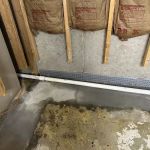 Dry Basement Solutions3.0 (14 reviews)
 Goody Restoration5.0 (23 reviews)
 FastAct Restoration5.0 (9 reviews)
 Stanley Steemer4.0 (1526 reviews)
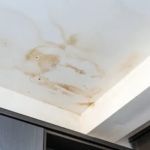 Demarco5.0 (16 reviews)
 Steamatic of SW Phoenix4.0 (7 reviews)
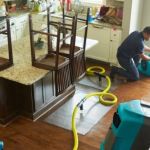 How to Repair Water Damage from Leaky Appliances: A Step-by-Step Guide
 How to Dry Out Water-Damaged Furniture Quickly and Safely
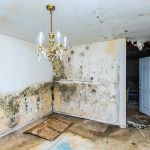 What You Should Know About Water Damage Restoration and Mold Growth
 Never Attempt DIY Water Damage Repair in a Flooded Home – The Risks & Benefits of Professional Help
 How to Handle Water Damage in Commercial Kitchens – Expert Tips
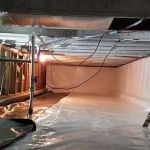 Water Damage Restoration for Crawl Spaces