
- 1 - Understanding Water Damage and Its Risks
- 2 - When Can You Handle Water Damage Repair Yourself?
- 3 - When to Call Professionals for Water Damage Repair
- 4 - DIY Water Damage Repair Tips
- 5 - Long-Term Water Damage Prevention and Maintenance
1 - Understanding Water Damage and Its Risks
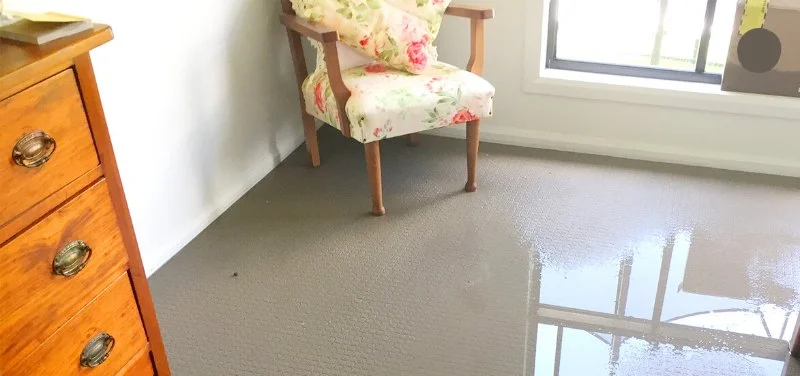
Water damage can be a major concern for homeowners, as it can lead to structural problems, mold growth, and a decrease in property value. Whether caused by leaking pipes, heavy rains, or flooding, water damage can affect walls, floors, ceilings, and personal belongings. The severity of water damage varies, and while minor issues can be fixed by DIY methods, more significant damage requires professional attention to prevent further complications.
SERVPRO of Pompano Beach / servpro of santa maria
Pompano BeachBroward CountyFlorida
2101 NW 33rd St #200a, Pompano Beach, FL 33069, USA
1.1 - Types of Water Damage
There are three main categories of water damage: clean water, grey water, and black water. Clean water typically comes from leaks or broken pipes and is the least harmful. Grey water comes from sources like washing machines or dishwashers, and black water is the most dangerous, usually resulting from sewage backups or flooding. Understanding the type of water damage will help you determine whether a DIY approach is safe or if you should call professionals.
Drip Restoration / valleywide restoration mesa az
932 S Stapley Dr, Mesa, AZ 85204, USA
2 - When Can You Handle Water Damage Repair Yourself?
Not all water damage requires professional intervention. For smaller issues, you can often manage the repair yourself, saving both time and money. Here are some scenarios where DIY water damage repair is possible:
2.1 - Minor Leaks or Small Puddles
If you notice a small leak or a minor puddle of water, it may be something you can handle yourself. For example, a leaking faucet or small pipe crack can usually be fixed with some basic tools and materials like sealants or pipe repair kits. Always make sure the source of the water is identified and fully addressed before proceeding with repairs.
2.2 - Dampness or Stains on Walls and Ceilings
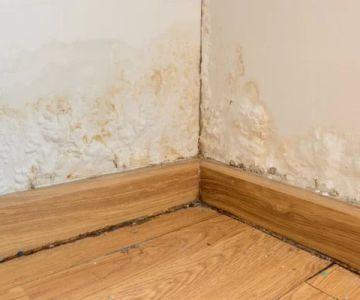
If there are signs of water stains or dampness on your walls or ceiling, you may be able to patch up the damage yourself. After locating the source of the leak and stopping the flow of water, you can dry the area using fans and dehumidifiers, then apply a fresh coat of paint or plaster. This type of repair is typically manageable without professional assistance.
2.3 - Small Carpet or Floor Damage
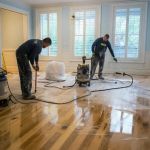
If your carpet or hardwood floors are mildly affected by water, you may be able to clean and dry them effectively on your own. For carpets, this involves drying the material with fans and steam cleaners, while hardwood floors may require drying out and sanding if water has caused warping. However, if the damage is extensive, professional help might be necessary.
3 - When to Call Professionals for Water Damage Repair
While minor water damage can often be repaired by homeowners, there are situations where professional help is crucial. Here are some cases when you should consider calling professionals:
3.1 - Large or Extensive Leaks
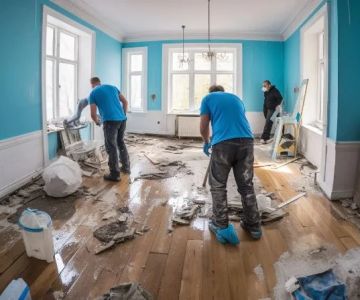
If the water damage is widespread—such as large leaks, flooding, or damage affecting multiple rooms—it's best to call professionals. This type of damage often requires advanced tools, expertise, and experience to properly assess the extent of the damage and to safely remove water and dry the affected areas.
3.2 - Mold Growth
When water damage goes unaddressed for too long, mold can begin to grow, which can pose serious health risks. Mold remediation is a complex process that requires specialized training and equipment to safely remove the mold and prevent it from spreading. In these cases, hiring a professional is essential for ensuring that the mold is fully eradicated.
3.3 - Structural Damage
Water can cause significant damage to the structural integrity of your home, including foundations, beams, and drywall. If you notice signs of structural issues such as sagging ceilings or weakened walls, it’s critical to call a professional to assess the situation and make necessary repairs. Ignoring structural damage can lead to further weakening and potential collapse.
4 - DIY Water Damage Repair Tips
If you decide to tackle water damage repair on your own, here are some essential tips to ensure the job is done right:
4.1 - Stop the Water Flow
The first step in any water damage repair is to stop the source of the water. If it’s a burst pipe, shut off the water supply to the affected area. If it’s a leak, repair or replace the damaged part of the plumbing before proceeding with the cleanup.
4.2 - Dry the Affected Area
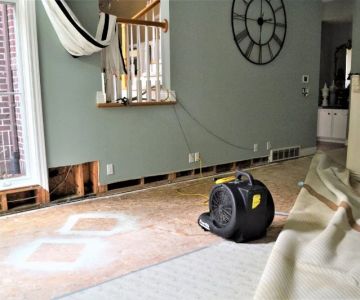
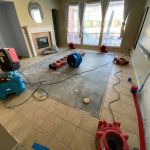
Drying is critical to preventing mold growth. Use fans, dehumidifiers, and towels to dry the area completely. The faster you can dry out the space, the less likely it is that mold will develop. Consider renting industrial fans for large areas if necessary.
4.3 - Inspect for Hidden Damage
Even if the visible damage seems minor, water can seep into hidden areas like insulation and behind walls. Be sure to inspect these areas thoroughly to avoid future issues. If needed, cut away any damaged drywall or flooring to allow the area to dry fully.
5 - Long-Term Water Damage Prevention and Maintenance
Once you’ve addressed the immediate water damage, it’s essential to take steps to prevent future issues. Here are some strategies to keep your home protected:
5.1 - Regularly Inspect Plumbing
Ensure that your plumbing is in good condition by scheduling regular inspections. Look for any signs of leaks, rust, or corrosion in pipes and fixtures. Early detection can prevent major water damage down the line.
5.2 - Install Sump Pumps
If you live in an area prone to flooding, installing a sump pump in your basement can help prevent water from accumulating. A sump pump can divert excess water away from your home and reduce the risk of future water damage.
5.3 - Keep Gutters Clean
Clogged gutters can lead to water backing up into your home. Regularly clean your gutters to ensure they’re functioning properly and directing water away from your roof and foundation. This simple step can prevent water damage from occurring in the first place.
For more expert advice, tools, and services to help with water damage repair, visit Reliable Damage Hub for trusted resources and professional recommendations.
 Good Roads Water Damage Experts5.0 (1 reviews)
 R&R Foundation Specialist4.0 (305 reviews)
 MJ White4.0 (102 reviews)
 ATI Restoration3.0 (25 reviews)
 Modernistic4.0 (251 reviews)
 ServiceMaster Cleaning Services4.0 (27 reviews)
 Water Damage Restoration for Retail Spaces – Expert Tips and Real Cases
 How to Prevent and Repair Water Damage in Commercial Properties
 How to Protect Your Home’s Electrical System from Water Damage: Essential Tips
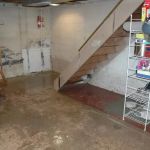 Flooded Basement? Here’s How to Restore It Safely
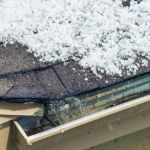 How to Handle Water Damage After a Storm: A Step-by-Step Guide
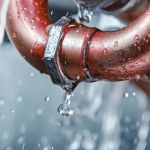 How to Handle Water Damage from Burst Pipes: A Step-by-Step Guide