
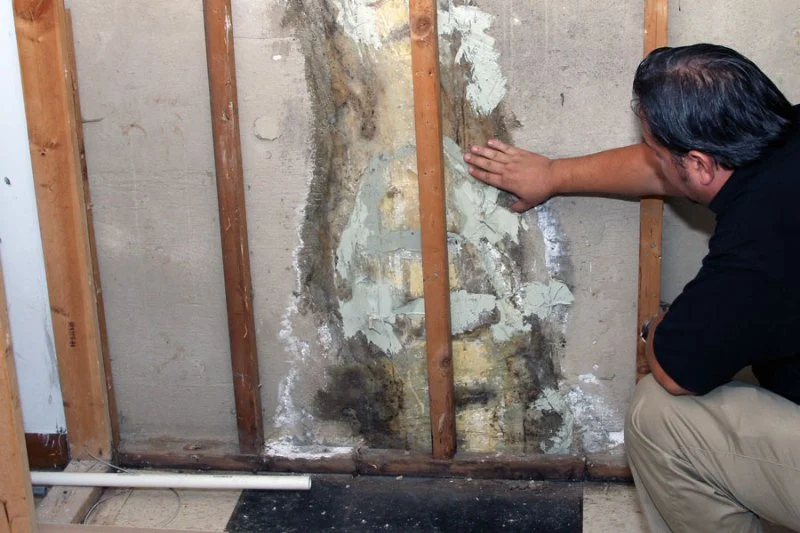
How to Fix Water-Damaged Insulation in Your Home
Water-damaged insulation can lead to a variety of problems in your home, including higher energy bills, mold growth, and compromised indoor comfort. Insulation is designed to regulate temperature and prevent heat loss, but when it becomes waterlogged, it loses its effectiveness. Fortunately, water-damaged insulation can be fixed with the right approach. In this guide, we will walk you through the steps to identify, repair, and prevent water damage to your insulation, ensuring your home stays warm, dry, and energy-efficient.
- Understanding Water-Damaged Insulation
- How to Identify Water-Damaged Insulation
- How to Repair Water-Damaged Insulation
- Preventing Future Water Damage to Insulation
- When to Call a Professional
Understanding Water-Damaged Insulation
Insulation is a key component in maintaining the energy efficiency and comfort of your home. It works by creating a barrier that prevents heat from escaping and cold air from entering. However, when insulation becomes wet, it loses its insulating properties and can cause further issues like mold growth and structural damage. There are a few common causes of water-damaged insulation:
Common Causes of Water Damage to Insulation
- Leaky Roofs: A common source of water damage to attic insulation is a leaking roof. Water from rain or snowmelt can seep into the insulation, causing it to become soggy and ineffective.
- Plumbing Leaks: Burst pipes or slow plumbing leaks in the walls or ceilings can also damage insulation. The moisture can seep into the insulation material, leading to mold and mildew growth.
- Condensation: Poor ventilation in your attic can result in condensation, which can soak your insulation over time, making it less effective.
How to Identify Water-Damaged Insulation
Identifying water-damaged insulation early is crucial to prevent further damage and mold growth. Here are the steps to check for water damage:
Check for Visible Moisture
Start by inspecting your attic or any areas where insulation may be exposed. Look for any signs of wetness or damp spots on the insulation. If the insulation feels wet to the touch, it has been affected by water.
Look for Mold or Mildew
Water-damaged insulation often leads to the growth of mold and mildew. Check for any dark, fuzzy patches on the insulation or surrounding areas. Mold can spread quickly and is a sign that the insulation has been exposed to water for an extended period.
Deteriorated or Compressed Insulation
Water can cause certain types of insulation to deteriorate or compress. If you notice that the insulation appears compacted or broken down, it may no longer be providing effective insulation. This indicates that it has absorbed moisture and needs to be replaced.
How to Repair Water-Damaged Insulation
Once you’ve identified the water-damaged insulation, it’s important to take action to repair or replace it as soon as possible. Here’s how you can fix the damage:
Remove the Damaged Insulation
The first step in repairing water-damaged insulation is to remove the affected material. Depending on the type of insulation, this can involve pulling out fiberglass batts, rolling up cellulose insulation, or vacuuming up spray foam. Be sure to wear gloves and a mask to avoid inhaling mold spores or dust during the removal process.
Dry the Affected Area
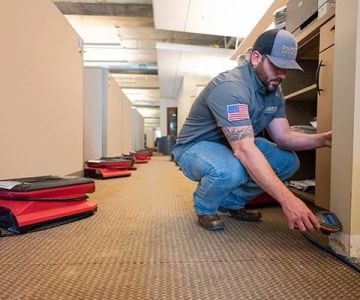
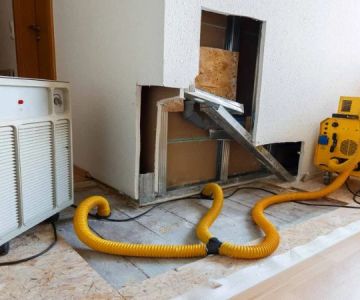
Before installing new insulation, it’s important to thoroughly dry the area to prevent further moisture problems. Use fans, dehumidifiers, and open windows to improve airflow and reduce moisture in the space. If the water damage was severe, consider using a moisture meter to check that the area has fully dried.
Replace the Insulation
Once the area is dry, you can replace the damaged insulation with fresh, new material. Choose the appropriate insulation type for your home and follow manufacturer guidelines for installation. Be sure to install the insulation evenly and ensure there are no gaps that could lead to future energy loss.
Preventing Future Water Damage to Insulation
To keep your insulation in good condition and prevent future water damage, take the following steps:
Regularly Inspect Your Roof and Plumbing
Inspect your roof for signs of leaks, such as damaged shingles or cracks in flashing. Also, check your plumbing regularly for leaks, especially in areas like the attic or basement. Early detection and repairs will help prevent water from reaching your insulation.
Improve Attic Ventilation
Proper attic ventilation is key to preventing condensation. Make sure your attic has adequate airflow to allow moisture to escape. Installing roof vents, soffit vents, or ridge vents can help improve ventilation and reduce the risk of moisture buildup.
Seal Windows and Doors
Sealing gaps around windows and doors can help prevent water from entering your home. Check for cracks and ensure that seals are intact to keep rainwater from infiltrating your home and damaging the insulation.
When to Call a Professional
While you can tackle minor water damage to insulation on your own, there are situations where it’s best to call in a professional:
Extensive Water Damage
If the water damage is extensive, affecting large sections of insulation or if there is a persistent water source, it’s best to contact a professional. They can assess the situation, perform necessary repairs, and ensure that the job is done correctly.
Mold or Mildew Problems
If you find mold or mildew in your insulation, it’s important to address it immediately. Mold can spread rapidly and pose serious health risks. A professional can safely remove the mold and replace the insulation without causing further contamination.
Complex Ventilation Issues
If you suspect that poor ventilation is contributing to moisture buildup, a professional can help assess and improve your home’s ventilation system. This can prevent future water damage and ensure the long-term integrity of your insulation.
Conclusion
Water-damaged insulation is a serious issue that requires prompt attention to prevent further damage and ensure your home remains energy-efficient. By identifying water damage early, repairing or replacing the affected insulation, and taking steps to prevent future issues, you can protect your home from moisture-related problems. Regular maintenance, roof inspections, and improved ventilation will go a long way in maintaining the integrity of your insulation and keeping your home safe and comfortable.
 Giertsen Company of Illinois4.0 (19 reviews)
 ONE in all painting5.0 (54 reviews)
 Quint Cities Restoration4.0 (34 reviews)
 ReBuilders Commercial Restoration1.0 (1 reviews)
 SERVPRO of North East Chester County4.0 (109 reviews)
 Sick Home Solutions4.0 (33 reviews)
 Water Damage Repair for Basement Ceilings: Causes, Solutions, and Prevention
 How to Handle Water Damage from Sump Pump Failures
 Water Damage Restoration for Restaurants | Fast, Safe & Professional Solutions
 Water Damage Restoration for Restaurants and Food Service Areas – A Complete Guide
 How to Deal with Water Damage from an Ice Maker or Refrigerator Leak
 Water Damage Repair for Outdoor Patios and Decks