- Overview of Water Damage in Plumbing Pipes
- Regular Pipe Inspections
- How to Insulate Your Plumbing Pipes
- Managing Water Pressure
- Quick Leak Detection and Repair
- When to Call a Professional Plumber
Overview of Water Damage in Plumbing Pipes
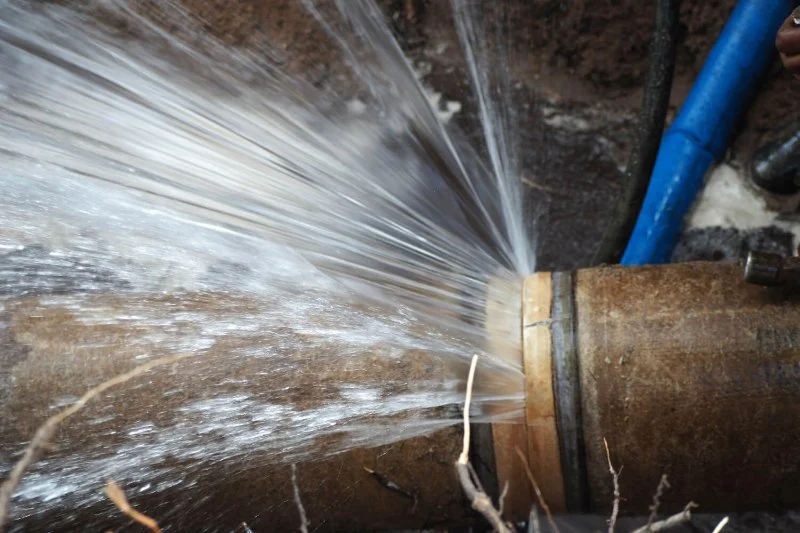
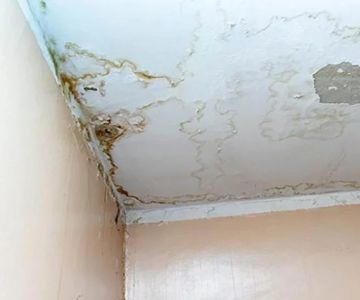
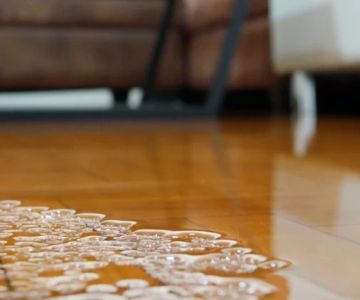
Water damage caused by plumbing issues can be one of the most costly and stressful problems a homeowner can face. Broken or leaky pipes can lead to extensive water damage that affects walls, ceilings, and flooring, not to mention the risk of mold growth. Preventing water damage in your plumbing pipes starts with proactive maintenance and timely repairs. This article will provide you with effective tips to protect your plumbing system from damage and keep your home safe.

Kustom US Restoration / kustom restoration
1215 W Houston Ave Suite A, Gilbert, AZ 85233, USA
Regular Pipe Inspections
One of the best ways to prevent water damage is to inspect your plumbing pipes regularly. Identifying potential issues early can save you a lot of time, money, and hassle down the road.
SERVPRO of Pompano Beach / servpro of santa maria
Pompano BeachBroward CountyFlorida
2101 NW 33rd St #200a, Pompano Beach, FL 33069, USA
1. Inspect for Visible Leaks
Take time to inspect exposed pipes under sinks, in the basement, and in other accessible areas of your home. Look for any signs of leaks, such as damp spots, rust, or water puddles around the pipes. Small leaks can grow over time and lead to significant water damage if not addressed promptly.
2. Check for Signs of Corrosion
Corroded pipes are more likely to leak. If you notice any rust, discoloration, or bulging in your pipes, it’s a sign that the pipe is weakening. Replacing corroded pipes before they fail can prevent water damage and costly repairs later on.
How to Insulate Your Plumbing Pipes
Exposed pipes, especially those located in unheated areas like attics or crawl spaces, are vulnerable to freezing in colder temperatures. When water freezes inside pipes, it can cause them to burst, leading to significant water damage. Insulating your pipes is one of the most effective ways to prevent this type of damage.
1. Use Pipe Insulation Foam
Pipe insulation foam is an easy and cost-effective way to protect your plumbing from freezing. Simply wrap the foam around the exposed pipes, ensuring a snug fit to prevent cold air from reaching the pipes. This will help keep water inside your pipes from freezing during winter.
2. Install Heat Tape for Extra Protection
For pipes in extreme cold areas, heat tape can provide additional protection. Heat tape wraps around the pipe and provides a steady flow of heat to prevent freezing. This is especially useful for pipes in garages, basements, or exterior walls.
Managing Water Pressure
High water pressure can put stress on your pipes, causing them to burst or leak. Maintaining the correct water pressure is essential for the health of your plumbing system.
1. Use a Pressure Regulator
If your water pressure is higher than normal, consider installing a pressure regulator. This device will keep the water pressure within the recommended range, preventing stress on your pipes and reducing the risk of leaks.
2. Monitor Water Pressure Regularly
Regularly check your water pressure to ensure it is within the safe range. You can use a water pressure gauge to measure the pressure in your home. If you notice pressure fluctuations or high water pressure, it's important to take corrective action before it leads to damage.
Quick Leak Detection and Repair
Detecting and fixing leaks early is crucial for preventing water damage. Even a small leak can lead to significant damage over time if not addressed promptly.
1. Use a Leak Detection System
Investing in a leak detection system can help you monitor the condition of your plumbing system. These systems can detect leaks and alert you before they cause major damage. Early detection is key to preventing extensive water damage in your home.
2. Repair Leaks Immediately
If you find a leak, repair it as soon as possible. Small leaks can be fixed with plumbing tape or sealant for a temporary solution, but it's important to call a plumber for permanent repairs. Don’t wait for leaks to worsen; the quicker you act, the less damage you'll incur.
When to Call a Professional Plumber
While DIY maintenance can help prevent water damage, there are times when it's necessary to call a professional plumber. Here are some signs that it’s time to seek expert help:
1. Persistent Leaks
If you have tried repairing a leak yourself but it continues to persist, it’s time to call a plumber. Professional plumbers have the tools and expertise to fix leaks at their source and prevent future occurrences.
2. Corroded or Burst Pipes
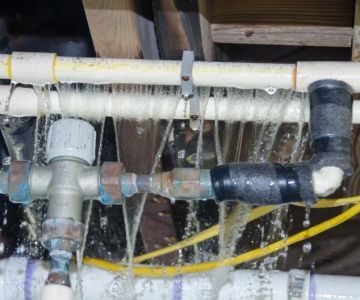
Corroded or burst pipes require immediate professional attention. A plumber can replace damaged pipes and ensure your system is functioning properly. Ignoring this issue can lead to serious water damage and expensive repairs.
3. Lack of Water Pressure
Low or fluctuating water pressure may indicate a problem with your plumbing system, such as a hidden leak or a problem with the water main. A plumber can diagnose the issue and restore proper water flow to your home.
 Thompson Restoration4.0 (71 reviews)
 Paul Davis Restoration of Louisville KY4.0 (147 reviews)
 Midwest5.0 (7 reviews)
 1-800-HANSONS4.0 (1145 reviews)
 Apex Water Damage Restoration5.0 (15 reviews)
 United Water Restoration Group of Cincinnati East0.0 (0 reviews)
 How to Handle Water Damage From Overflowing Toilets
 Water Damage Restoration for Industrial Spaces: Comprehensive Guide
 How to Safely Remove Water From Hardwood Floors: Expert Tips
 Steps for Cleaning and Sanitizing After Water Damage: A Complete Guide
 Water Damage Restoration for Commercial Kitchens: What You Need to Know
 How to Prevent Water Damage in Older Homes: Essential Tips for Protection