
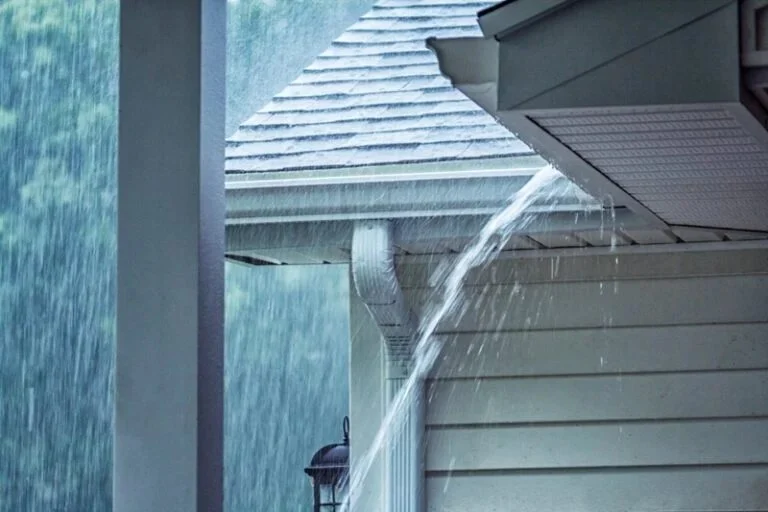
How to Prevent Water Damage in Your Home During a Rainstorm
- 1. Prepare Your Roof for Storms
- 2. Seal Your Windows and Doors
- 3. Maintain Your Gutters and Downspouts
- 4. Inspect and Protect Your Foundation
- 5. Have an Emergency Water Damage Plan
1. Prepare Your Roof for Storms
The roof is one of the most vulnerable parts of your home when it comes to preventing water damage. Ensuring that your roof is in good condition can prevent leaks during heavy rain. Here are some tips:
- Inspect for Damage: Check for missing or damaged shingles, cracks, and other signs of wear and tear.
- Clear Debris: Ensure that your roof is free of debris, such as leaves and branches, which can clog gutters and downspouts, preventing proper drainage.
- Reinforce the Roof: If necessary, replace damaged roofing materials and consider waterproofing treatments to create an additional barrier against leaks.
2. Seal Your Windows and Doors
Windows and doors can be major points of entry for water during a rainstorm. Sealing these areas properly is essential to prevent leaks:
- Check for Gaps: Inspect the frames around windows and doors for any visible gaps or cracks that could allow water to seep inside.
- Apply Weatherstripping: Install weatherstripping or caulking around windows and doors to ensure that they are airtight and waterproof.
- Replace Old Seals: If the seals on your windows and doors are old or worn out, replace them to prevent future leaks.
3. Maintain Your Gutters and Downspouts
Clogged gutters are one of the main causes of water damage during a rainstorm. Make sure your gutters and downspouts are clear and functioning properly:
- Regular Cleaning: Clean your gutters regularly, especially before storm season, to remove leaves, twigs, and other debris that can block water flow.
- Check for Leaks: Inspect your gutters for leaks or cracks that could allow water to escape and cause damage to your roof or foundation.
- Ensure Proper Drainage: Ensure that your downspouts direct water away from the foundation of your home to prevent flooding in the basement or crawl space.
4. Inspect and Protect Your Foundation
The foundation of your home is essential for keeping water out. If your foundation is not properly sealed, rainwater can enter your home, causing significant damage. Here's how to protect it:
- Seal Cracks: Inspect the foundation for any cracks or gaps and seal them to prevent water from entering.
- Improve Drainage: Ensure that the ground slopes away from the foundation so that rainwater can flow away from the house rather than pooling around it.
- Install a Sump Pump: Consider installing a sump pump in your basement or crawl space to remove any water that may seep in during a heavy storm.
5. Have an Emergency Water Damage Plan
Even with the best prevention measures, water damage can still occur. Having an emergency plan in place will help minimize damage and allow you to act quickly:
- Keep Sandbags Handy: If you live in an area prone to flooding, keep sandbags or water barriers available to block water from entering your home.
- Know How to Turn Off the Water: Be sure that all family members know how to turn off the water supply in case of a burst pipe or leak during a storm.
- Document Damage: If water damage occurs, take pictures for insurance purposes and contact your insurance provider immediately.
By taking the proper precautions, you can protect your home from water damage during a rainstorm. For more expert advice and products, visit Reliable Damage Hub for everything you need to safeguard your home against storm-related water damage.



 Vancouver Water Restoration4.0 (10 reviews)
 Prime Restoration5.0 (20 reviews)
 DCS Cleaning Service3.0 (11 reviews)
 Wild Water Plumbing5.0 (420 reviews)
 Voda Cleaning & Restoration of Jacksonville St. Augustine5.0 (73 reviews)
 Pacific Pack Out5.0 (1 reviews)
 What You Should Know About Water Damage Restoration and Mold Growth
 How to Restore Water-Damaged Kitchen Cabinets - Step-by-Step Guide
 How to Restore Water-Damaged Appliances in Your Home
 Water Damage Restoration and Mold: How to Prevent Both
 How to Handle Water Damage from Basement Condensation
 Water Damage Repair for Bathroom Flooring and Tile: A Complete Guide