
- 1. Why Spotting Water Damage Early Matters
- 2. Key Signs of Water Damage to Look for
- 3. Common Causes of Water Damage
- 4. How to Prevent Water Damage
- 5. Real-Life Examples of Water Damage
- 6. Final Thoughts and Recommendations
1. Why Spotting Water Damage Early Matters
Water damage is one of the most common and expensive problems homeowners face. Whether caused by a burst pipe, roof leak, or a damaged appliance, water damage can quickly escalate, leading to structural damage, mold growth, and costly repairs. The sooner you identify water damage, the easier and cheaper it is to repair. Spotting the signs early can save you from expensive remediation efforts and ensure the integrity of your home is maintained.
Water damage often worsens over time, so being vigilant and proactive about monitoring your home can prevent small issues from turning into major problems. In this article, we’ll explore the key signs of water damage to look out for and how you can prevent it before it’s too late.

Wizard Restorations Inc / puroclean of san fernando
Rancho CucamongaSan Bernardino CountyCalifornia
10245 8th St, Rancho Cucamonga, CA 91730, USA
2. Key Signs of Water Damage to Look for
Recognizing the signs of water damage early can prevent further complications and costly repairs. Here are some of the most common signs you should watch out for:

Kustom US Restoration / kustom restoration
1215 W Houston Ave Suite A, Gilbert, AZ 85233, USA
2.1. Discoloration or Stains on Walls and Ceilings
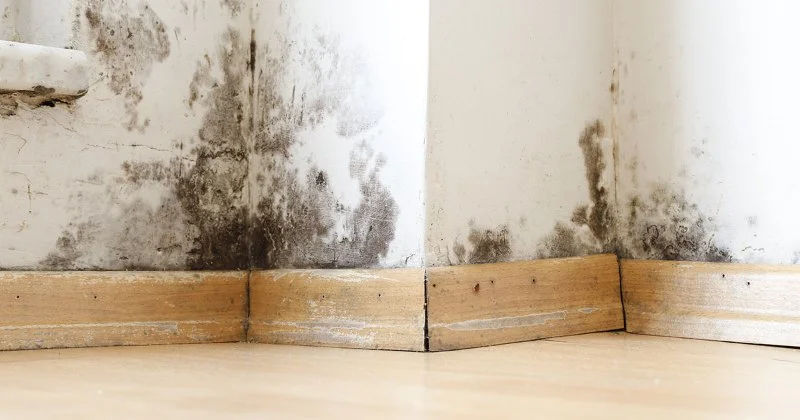
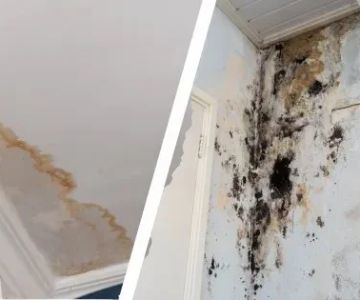
One of the first and most noticeable signs of water damage is discoloration on walls or ceilings. You may notice yellow, brown, or dark stains forming in areas like the ceiling, corners of walls, or along the baseboards. These stains are a clear indication that water has been leaking into these areas and may indicate a roof leak, plumbing issue, or condensation problem.
2.2. Peeling or Bubbling Paint
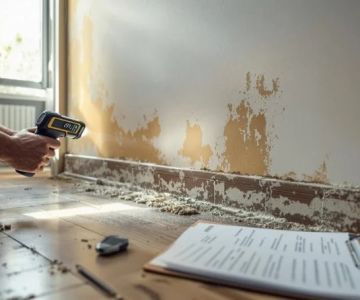
If the paint on your walls or ceilings begins to peel, bubble, or crack, it could be a sign that moisture is trapped behind the surface. This happens when water accumulates under the paint, causing it to lose its adhesion. This can occur due to leaks in the roof or plumbing issues behind the wall.
2.3. Musty Odors
If you notice a musty or damp smell in certain areas of your home, it’s a strong indicator of mold or mildew growth, which is often the result of water damage. Mold thrives in moist environments, and if left untreated, it can spread rapidly, posing a health risk and further damaging your property.
2.4. Warped or Buckling Floors
Water damage can cause wooden or laminate floors to warp, buckle, or swell. If you notice that your floors are starting to feel uneven or look distorted, it could be due to water seeping into the subfloor beneath. This often happens when water leaks from pipes, appliances, or through the foundation.
2.5. Increased Water Bills
A sudden increase in your water bill without any obvious explanation can be a sign of hidden water damage, such as a leaky pipe or a faulty appliance. If you notice your water usage has significantly increased, check for leaks in plumbing fixtures, walls, or floors that could be wasting water.
3. Common Causes of Water Damage
Water damage can result from a variety of sources. Understanding the common causes of water damage can help you prevent it in the future. Here are some of the most frequent culprits:
3.1. Leaky Roofs
One of the most common causes of water damage in homes is a leaky roof. A small crack or gap in your roof can allow water to seep into your home, causing stains, mold, and deterioration over time. Regular roof inspections and prompt repairs are essential to avoid this issue.
3.2. Burst or Leaky Pipes
Leaking or burst pipes are another major source of water damage. Old or damaged pipes can corrode, crack, or burst under pressure, flooding your home. Ensuring your plumbing is in good condition and replacing old pipes can prevent this issue.
3.3. Faulty Appliances
Water-related appliances such as washing machines, dishwashers, and refrigerators with water lines can be the source of water damage when they malfunction or develop leaks. Regularly inspect your appliances for leaks and replace any worn-out hoses to prevent water damage from appliance failure.
3.4. Poor Drainage Systems
If your home’s gutters or drainage systems are clogged or not functioning properly, rainwater can accumulate and seep into your foundation or walls. Ensure that gutters are cleaned regularly and that downspouts direct water away from your home’s foundation to prevent this type of damage.
4. How to Prevent Water Damage
Prevention is always better than cure. Here are some tips to help you prevent water damage before it occurs:
4.1. Regularly Inspect Your Roof
Inspect your roof at least once a year for any signs of damage. Look for missing shingles, cracks, or other issues that could allow water to penetrate. Early repairs can save you from more significant damage down the road.
4.2. Maintain Your Plumbing System
Check your plumbing regularly for leaks, especially around faucets, pipes, and water appliances. If you notice any leaks, address them immediately to prevent water damage. Additionally, consider upgrading old pipes that may be more prone to leaks.
4.3. Clean and Maintain Gutters
Clogged gutters can lead to water damage around your home’s foundation and roof. Regularly clean your gutters to ensure they are clear of debris and functioning properly. Install gutter guards if necessary to prevent leaves and dirt from building up.
5. Real-Life Examples of Water Damage
Here are a couple of real-life cases where water damage went unnoticed until it became a serious issue:
5.1. The Hidden Roof Leak
A homeowner in Texas noticed some discoloration on their ceiling but didn’t think much of it until the problem worsened. After weeks of neglect, the roof leak caused significant mold growth and costly structural damage. Had the homeowner addressed the issue sooner, they could have avoided expensive repairs and health risks associated with mold.
5.2. Appliance Failure in the Kitchen
In another case, a family experienced water damage after their dishwasher’s water line ruptured. The leak went unnoticed for days, causing damage to the floor and cabinetry. A timely inspection and prompt action could have prevented this costly issue. Regular appliance checks can avoid these types of problems.
6. Final Thoughts and Recommendations
Spotting water damage early is essential for preventing costly repairs and preserving the integrity of your home. By staying vigilant and addressing potential issues as soon as they arise, you can protect your property from water damage. If you suspect water damage or want to take preventive steps, consult professionals to inspect and repair your home. For more information and resources on managing water damage, visit Reliable Damage Hub, where you can find the best products and services to help you safeguard your home.
 A Quality Finish5.0 (94 reviews)
 Roto-Rooter Plumbing & Water Cleanup4.0 (1099 reviews)
 SERVPRO of Cutler Bay5.0 (77 reviews)
 HOMEfix4.0 (343 reviews)
 MJ White & Son, Inc.1.0 (1 reviews)
 Hatch & Son Contracting LLC4.0 (9 reviews)
 How to Restore Water-Damaged Cabinets and Countertops: A Step-by-Step Guide
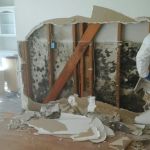 Water Damage and Mold: How to Address Both Issues
 How to Repair Water Damage After a Flooded Attic
 How to Spot Hidden Water Damage in Your Home’s Foundation
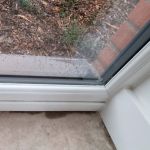 How to Repair Water Damage Around Windows and Doors
 How to Dry Out Water-Damaged Rugs Quickly