
Why Professional Water Damage Restoration Services Are Worth the Cost
Water damage can occur at any time, often leading to devastating consequences for your home or property. While it may seem tempting to tackle water damage cleanup on your own, hiring professional water damage restoration services is often the most effective and cost-efficient solution in the long run. This article will explore why professional services are worth the cost, highlighting the expertise, tools, and benefits they provide in restoring your home.
- Understanding Water Damage Restoration
- Why Professionals Are Necessary
- The Process of Water Damage Restoration
- The Benefits of Hiring Professionals
Understanding Water Damage Restoration
Water damage restoration involves more than just cleaning up water. It requires a systematic approach to prevent further damage, remove moisture, and restore your property to its original condition. Restoration services typically include water extraction, drying, cleaning, mold remediation, and structural repairs. Whether the damage is caused by flooding, burst pipes, or leaks, professional restoration services are equipped to handle the complexities of water damage cleanup effectively.
Why Professionals Are Necessary
While minor water damage may seem manageable, it’s important to consider the long-term effects of untreated water damage. Professional water damage restoration services bring the expertise, equipment, and knowledge needed to mitigate the damage quickly and effectively. Here’s why professionals are essential:
Expertise and Experience
Restoration specialists have years of experience dealing with various types of water damage. They understand the complexities of water behavior, which helps them identify hidden moisture and potential issues that a non-professional might overlook. Their expertise ensures that the restoration process is done thoroughly and efficiently.
Advanced Tools and Techniques
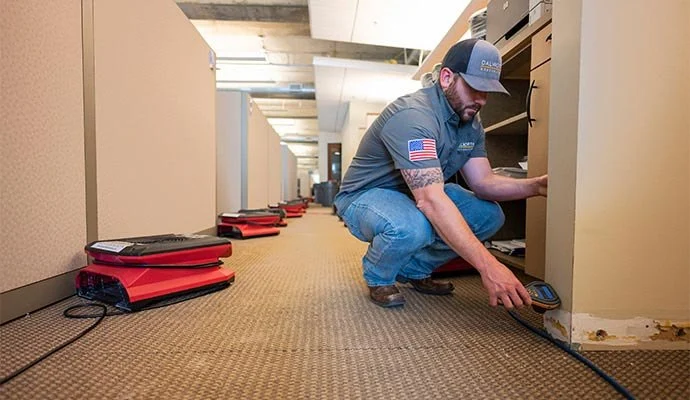
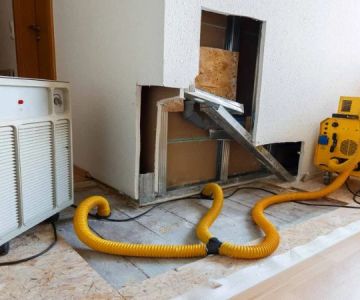
Water damage restoration professionals have access to specialized equipment, such as industrial-grade dehumidifiers, air movers, and moisture meters. These tools allow them to dry affected areas quickly and prevent mold growth, which can become a major issue if not properly addressed.
The Process of Water Damage Restoration
The restoration process typically involves the following key steps:
Inspection and Assessment
The first step in the restoration process is a thorough inspection to assess the extent of the damage. Professionals use moisture detection tools to identify areas that may not be immediately visible, such as inside walls and under flooring.
Water Removal
Once the assessment is complete, the next step is water removal. Restoration specialists use powerful pumps and vacuums to extract standing water quickly. This helps prevent further structural damage and minimizes the risk of mold development.
Drying and Dehumidification
After water removal, it’s essential to dry the affected areas thoroughly. Professionals use industrial dehumidifiers and air movers to ensure that all moisture is removed from walls, floors, and ceilings. This process can take several days depending on the severity of the damage.
Mold Remediation
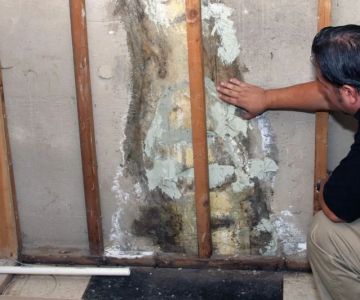
If water damage has been present for an extended period, mold may begin to develop. Professionals will perform mold remediation to remove any growth and prevent it from spreading further. This is a crucial step in ensuring that your home is safe and healthy to live in.
Repairs and Restoration
Finally, any structural damage caused by the water is repaired. This includes fixing walls, floors, and ceilings, as well as any other necessary repairs to restore your home to its original condition.
The Benefits of Hiring Professionals
Hiring professional water damage restoration services offers numerous advantages:
Time Savings
Water damage needs to be addressed immediately to prevent further issues. Professionals can respond quickly, saving you valuable time and ensuring that the damage is mitigated before it worsens.
Cost-Effectiveness
While the upfront cost of hiring professionals may seem high, it can save you money in the long run. Proper restoration prevents further damage, including mold growth, which can lead to expensive repairs. Additionally, professionals have the tools and expertise to address the problem correctly the first time, reducing the need for future repairs.
Health and Safety
Water damage can create a hazardous environment, especially when it comes to mold and bacteria. Professionals take the necessary precautions to ensure that your home is safe and healthy, protecting both your property and your family’s well-being.
Insurance Assistance
Water damage restoration companies often work directly with insurance providers to help you navigate the claims process. They can provide detailed documentation and photos of the damage, making it easier for you to file a claim and receive compensation for the repairs.
Conclusion
Professional water damage restoration services are an investment that can save you time, money, and stress. With their expertise, specialized equipment, and effective techniques, they can restore your home to its pre-damage condition while ensuring that the risks of mold and further damage are minimized. If you find yourself facing water damage, don’t hesitate to contact a trusted restoration company to help with the recovery process. For more information, visit Reliable Damage Hub for expert services and recommendations!
 BELFOR Property Restoration3.0 (24 reviews)
 Budget Dry Basement Waterproofing4.0 (388 reviews)
 Expert Plumbing & Water Heaters, Inc.4.0 (631 reviews)
 The Steam Team/TST Restoration4.0 (26 reviews)
 CRBR Property Damage Services - Restoration & Construction5.0 (24 reviews)
 Lobo Enterprise Handyman LLC4.0 (6 reviews)
 Water Damage Repair for Basement Ceilings: Causes, Solutions, and Prevention
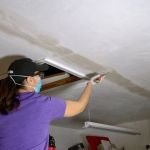 How to Repair Water-Damaged Ceilings – A Comprehensive Guide
 How to Repair Water-Damaged Basement Walls Effectively
 Water Damage Restoration for Retail Stores: How to Protect Your Business
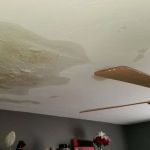 How to Prevent Water Damage from Roof Leaks
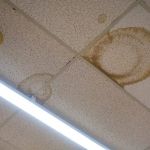 How to Handle Water Damage in Your Office Building’s Ceiling: A Comprehensive Guide