
- #water-damaged-ceiling-tiles
- #ceiling-tile-restoration
- #how-to-restore-ceiling-tiles
- #water-damage-repair
- #ceiling-tile-replacement
1. Understanding Water-Damaged Ceiling Tiles
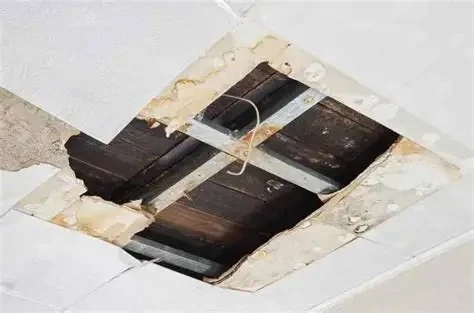
Water damage to ceiling tiles can be a frustrating problem in homes and offices, especially after heavy rain or plumbing issues. Whether it's a minor stain or a large, sagging area, addressing the issue promptly is essential to avoid further structural damage. In this guide, we'll walk you through how to assess the damage and the steps involved in restoring or replacing water-damaged ceiling tiles effectively.

Wizard Restorations Inc / puroclean of san fernando
Rancho CucamongaSan Bernardino CountyCalifornia
10245 8th St, Rancho Cucamonga, CA 91730, USA
1.1 Identifying Water-Damaged Ceiling Tiles
The first step in dealing with water damage to ceiling tiles is identifying the signs. Typically, water-damaged tiles show visible stains or discoloration. If the damage is severe, you may notice sagging or bulging tiles. In such cases, it's essential to determine the source of the leak to prevent further damage. This could be due to roof leaks, burst pipes, or condensation buildup.
Giants / dry kings restoration of san francisco
San FranciscoSan Francisco CountyCalifornia
685 Geary Blvd, San Francisco, CA 94102, USA
1.2 The Risks of Ignoring Water Damage
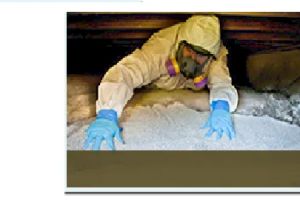
Ignoring water damage can lead to more severe issues such as mold growth, rotting of structural beams, or even the collapse of ceiling tiles. Mold can begin to form within 24 to 48 hours after water exposure, making it critical to address water-damaged tiles immediately. Additionally, prolonged exposure to moisture can weaken ceiling tiles, making them prone to falling.
2. How to Restore Water-Damaged Ceiling Tiles
Restoring water-damaged ceiling tiles depends on the extent of the damage and the material of the tiles. If the damage is minimal, you may be able to repair the tiles yourself. However, if the damage is extensive, you may need to replace the tiles entirely. Below are the steps for both restoration and replacement.
2.1 Simple Restoration Techniques for Minor Damage
If your ceiling tiles have minor water stains but are still structurally sound, you may be able to restore them. Here's what you can do:
- Clean the Tiles: Use a damp cloth or sponge to clean the surface of the tiles. For stubborn stains, a mixture of water and mild detergent can help remove the discoloration.
- Dry the Area: Ensure the area around the tile is completely dry to prevent further damage or mold growth. Use a fan or dehumidifier if necessary.
- Apply a Sealant: After cleaning and drying, you may apply a ceiling tile sealant to prevent future water damage.
2.2 Replacing Severely Damaged Ceiling Tiles
If the damage is extensive—such as sagging or holes—you may need to replace the tiles. Here's how:
- Remove the Damaged Tile: Carefully remove the damaged tile by lifting it from the grid. Be cautious of any debris or dust that may fall.
- Inspect the Area: Check for signs of further water damage, mold, or structural issues. You may need to fix leaks or water issues before installing a new tile.
- Install a New Tile: Measure and cut a new tile to fit the space. Install the new tile into the grid, ensuring it is secure and level.
3. Preventing Future Water Damage
Once you’ve restored or replaced the water-damaged ceiling tiles, it’s important to take steps to prevent future water damage. Below are some tips for avoiding recurring issues.
3.1 Fix the Source of the Leak
Ensure that the source of the water leak is fixed before you restore the ceiling tiles. This might involve repairing roof leaks, sealing plumbing pipes, or improving ventilation to prevent condensation. If the leak is not properly addressed, you may face further damage to your ceiling tiles.
3.2 Install Water-Resistant Ceiling Tiles
Consider installing water-resistant ceiling tiles to prevent future water damage. These tiles are designed to withstand moisture better than traditional tiles, making them ideal for areas prone to leaks or humidity.
4. When to Call a Professional
In some cases, water damage to ceiling tiles may require professional help. If you're unsure about how to handle the situation, or if the damage is severe, it's best to call a professional. A roofing or plumbing expert can help identify the source of the leak and prevent further issues. Additionally, a professional can ensure that the new tiles are properly installed and that any underlying damage is addressed.
4.1 When to Seek Expert Help
If you notice mold, significant sagging, or extensive damage to multiple ceiling tiles, it’s time to call in a professional. They can provide a more thorough inspection and recommend appropriate solutions to restore your ceiling safely.
For expert help with water damage repairs, visit【Reliable Damage Hub】to find trusted services and products to restore your ceiling and prevent future issues.




 QCG Restoration and Construction, LLC5.0 (2 reviews)
 Water Damage Restoration Burlington5.0 (15 reviews)
 Pristine Restoration LLC4.0 (55 reviews)
 Ahold of Mold5.0 (42 reviews)
 O. G Professional Carpet Care4.0 (65 reviews)
 AAA Water inc4.0 (49 reviews)
 Water Damage Restoration for High-Rise Buildings: Key Insights & Solutions
 Water Damage Restoration for Retail Spaces – Expert Tips and Real Cases
 Water Damage Repair for Tile and Grout: Comprehensive Guide to Restoration
 Water Damage Restoration for Schools and Libraries
 How to Identify and Fix Water Damage from Faulty Water Lines
 What to Do if Your Home’s Water Damage Is Covered by Insurance