
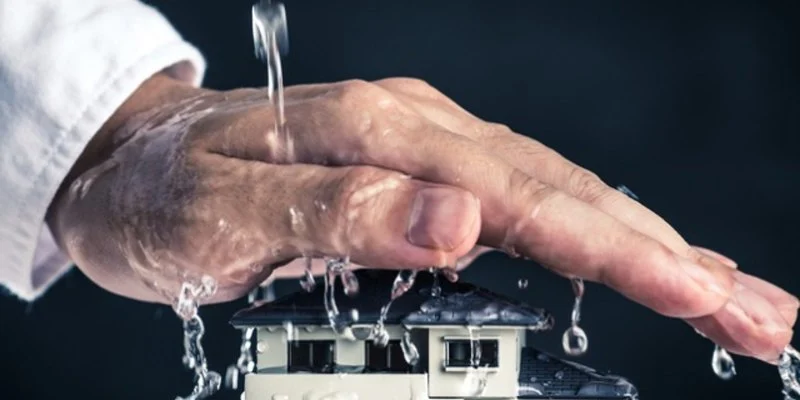
How to Handle Water Damage Claims With Your Insurance
- 1- Understanding Water Damage Claims
- 2- How to File a Water Damage Insurance Claim
- 3- Common Challenges in Water Damage Claims
- 4- Tips for a Smooth Water Damage Claim Process
- 5- When to Call an Insurance Professional
1- Understanding Water Damage Claims
Water damage is one of the most common claims that homeowners file with their insurance companies. It can be caused by a variety of factors such as leaks, storms, floods, or burst pipes. However, not all water damage is covered by insurance policies. Understanding what is and isn’t covered is crucial when it comes to handling water damage claims effectively.
Insurance companies often classify water damage into two types: sudden and accidental, and gradual. Sudden and accidental water damage, such as a burst pipe, is typically covered by home insurance. On the other hand, gradual water damage, like that caused by a long-standing leak, may not be covered. Be sure to review your insurance policy or contact your insurance provider to confirm coverage details.
2- How to File a Water Damage Insurance Claim
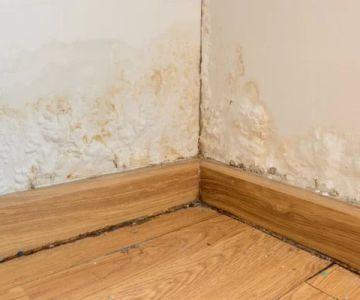
The first step in filing a water damage claim is to document the damage thoroughly. Take clear, detailed photos or videos of the affected areas, including any visible mold, water stains, or structural damage. This evidence will serve as proof when you submit your claim.
Next, contact your insurance provider immediately. Most insurance companies have specific time frames in which you must report damage. Failing to do so promptly could delay or even invalidate your claim. Be prepared to provide details about the cause of the water damage and any immediate actions you took to mitigate further damage, such as turning off the water supply or removing wet materials.
3- Common Challenges in Water Damage Claims
One of the biggest challenges homeowners face when filing water damage claims is proving the cause of the damage. Insurance adjusters may need to determine whether the damage was sudden and accidental or a result of neglect. In some cases, the insurance company may dispute the cause of the damage or try to minimize the payout.
Another challenge is dealing with policy exclusions. Some policies may not cover certain types of water damage, such as damage caused by flooding. If your home is located in a flood-prone area, it’s important to have flood insurance, which is typically sold separately from standard homeowners insurance.
4- Tips for a Smooth Water Damage Claim Process
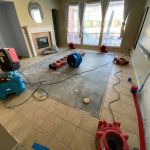
To ensure a smooth claims process, start by keeping all receipts for any repairs or temporary measures you take to prevent further damage. This could include hiring a water damage restoration company or purchasing equipment like fans or dehumidifiers.
It’s also a good idea to keep detailed records of your conversations with your insurance provider. Note the names of the representatives you speak with, the dates of your conversations, and any promises or instructions given. This can help resolve any disputes that may arise later in the process.
5- When to Call an Insurance Professional
If you find the claims process overwhelming or if your claim is denied, it might be time to seek the help of an insurance professional. Public adjusters are experts who can help you navigate the claims process, assess the damage, and negotiate a fair settlement with your insurance company. While they charge a fee, their expertise can be invaluable in securing the compensation you deserve.
You might also want to consult a lawyer if you believe your insurance provider is acting in bad faith or violating the terms of your policy. Legal professionals can help you understand your rights and take legal action if necessary.

 Good Roads Water Damage Experts5.0 (1 reviews)
 R&R Foundation Specialist4.0 (305 reviews)
 MJ White4.0 (102 reviews)
 ATI Restoration3.0 (25 reviews)
 Modernistic4.0 (251 reviews)
 ServiceMaster Cleaning Services4.0 (27 reviews)
 Water Damage Restoration for Retail Spaces – Expert Tips and Real Cases
 How to Prevent and Repair Water Damage in Commercial Properties
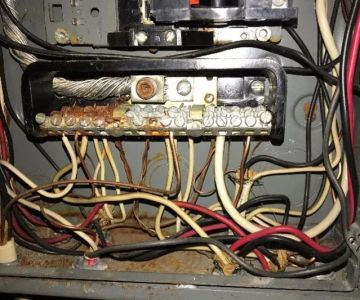
 How to Protect Your Home’s Electrical System from Water Damage: Essential Tips
 Flooded Basement? Here’s How to Restore It Safely
 How to Handle Water Damage After a Storm: A Step-by-Step Guide
 How to Handle Water Damage from Burst Pipes: A Step-by-Step Guide