
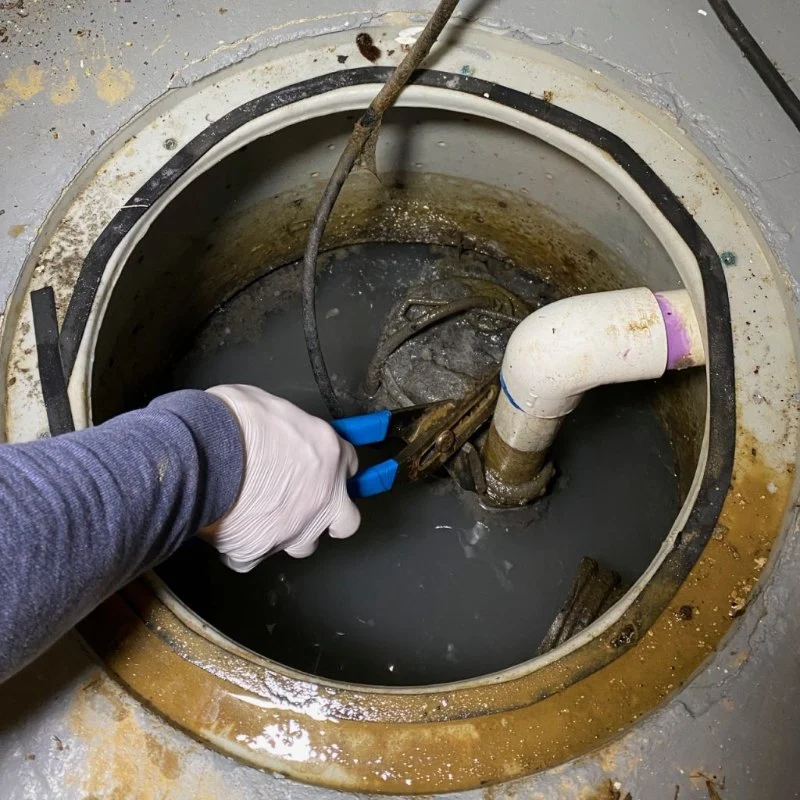
1- Understanding the Role of Sump Pumps
Sump pumps are essential devices in homes with basements, working to remove excess water and prevent flooding. They are especially crucial during heavy rains or storms. Typically installed in the lowest part of the basement, sump pumps redirect water into a drainage system to prevent water buildup. However, when these pumps fail, they can cause significant water damage, leaving homeowners with the responsibility to act quickly to mitigate the damage.
SERVPRO of Pompano Beach / servpro of santa maria
Pompano BeachBroward CountyFlorida
2101 NW 33rd St #200a, Pompano Beach, FL 33069, USA
2- How a Broken Sump Pump Causes Water Damage
When a sump pump breaks or malfunctions, the primary consequence is the accumulation of water in the basement or crawl space. If water continues to accumulate, it can cause serious damage to your home’s foundation, walls, flooring, and personal belongings. The most common causes of sump pump failure include:
- 1. Power Outages – Sump pumps rely on electricity to operate, and a power outage can leave the pump unable to do its job.
- 2. Pump Malfunction – Mechanical failures, such as clogged pumps, malfunctioning float switches, or a broken motor, can cause the sump pump to stop working.
- 3. Improper Installation – Poor installation can result in a sump pump that is unable to effectively manage water or has a short lifespan.
- 4. Clogged Discharge Lines – If the discharge pipe becomes clogged or frozen, the pump can’t expel water properly, causing a backup in the system.
3- Immediate Actions to Take After Sump Pump Failure
If your sump pump fails and water begins to accumulate, it’s important to act quickly to minimize the damage. Here are the key steps you should take:
- 1. Turn Off Electrical Power – If there’s any water near electrical outlets or appliances, immediately turn off the power to avoid electrical hazards.
- 2. Stop Water Flow – If the failure is due to a clogged discharge pipe, attempt to clear the blockage, or if possible, direct water away from your home.
- 3. Start Water Removal – Use wet vacuums, mops, or a submersible pump to start removing standing water from the basement or affected areas.
- 4. Protect Valuables – Move any important documents, electronics, or furniture out of the water to prevent further damage.
4- Long-Term Solutions for Water Damage from Sump Pump Failure
While addressing immediate water damage is crucial, long-term solutions are also necessary to prevent future sump pump failures. Here are some important steps to consider:
- 1. Install a Backup Sump Pump – A backup pump can help prevent issues in the event of a primary pump failure. Battery-powered backup pumps can operate during power outages.
- 2. Regular Maintenance – Schedule regular maintenance for your sump pump, including cleaning the pump, checking the discharge lines, and testing the float switch.
- 3. Improve Basement Drainage – Installing or upgrading a French drain or ensuring that gutters and downspouts are properly functioning can reduce the strain on your sump pump and prevent future flooding.
- 4. Waterproof Your Basement – Consider applying a waterproof sealant to basement walls and floors to prevent water seepage during heavy rains or storms.
5- Real-Life Example: How a Homeowner Handled Water Damage from a Broken Sump Pump
Take the example of Mark, a homeowner who recently experienced water damage due to a broken sump pump during a heavy rainstorm. The pump failed, and water flooded his basement. Mark immediately followed the steps of turning off the power and began removing the water with a wet vacuum. After the water was cleared, he contacted a professional restoration service to assess and repair the water damage. In addition, he installed a battery-powered backup sump pump to ensure he was prepared for future storms. Mark’s quick response and commitment to long-term solutions prevented the situation from worsening.

Wizard Restorations Inc / puroclean of san fernando
Rancho CucamongaSan Bernardino CountyCalifornia
10245 8th St, Rancho Cucamonga, CA 91730, USA
6- Preventing Future Water Damage from Sump Pump Failure
While water damage from a broken sump pump can be severe, preventing future failures is possible. By taking preventative measures, you can ensure that your sump pump functions properly and that your home remains safe from flooding. Some additional tips include:
- 1. Test Your Pump Regularly – Periodically test your sump pump by pouring water into the pit to ensure the pump activates and expels water effectively.
- 2. Install a High Water Alarm – A high water alarm will notify you if water levels are rising, alerting you to any potential issues with your pump before damage occurs.
- 3. Ensure Proper Drainage Around the Home – Keep your yard and foundation properly graded so that water flows away from the home, reducing the likelihood of sump pump failure during heavy rainfall.
7- Conclusion: Act Quickly and Prevent Water Damage from Sump Pump Failure
Water damage from a broken sump pump can be overwhelming, but by acting quickly and following the steps outlined in this article, you can minimize the damage and prevent future incidents. Regular maintenance, backup pumps, and proper drainage are key to avoiding the long-term effects of sump pump failure. For more expert advice and recommendations on sump pumps, water damage restoration, and prevention, visit Reliable Damage Hub for the best products and services tailored to your needs.
 Milro Services, Inc.5.0 (12 reviews)
 Rannebarger Home Maintenance4.0 (681 reviews)
 Charlotte Crawlspace Solutions, LLC.5.0 (30 reviews)
 Pro-Cleaners Restoration & Cleaning Services5.0 (105 reviews)
 Dempsey Flood Damage Restoration5.0 (16 reviews)
 Fresno Mold Solutions0.0 (0 reviews)
 How to Dry Out Water-Damaged Rugs Quickly: Expert Guide
 How to Prevent Water Damage in Your Home During a Thunderstorm
 Water Damage Repair for Drywall and Plaster
 How to Prevent Water Damage in Your Home: Expert Tips for Protection
 What to Do if Your House is Flooded from a Broken Pipe: Essential Steps to Take
 How to Safely Remove Standing Water From Your Home