
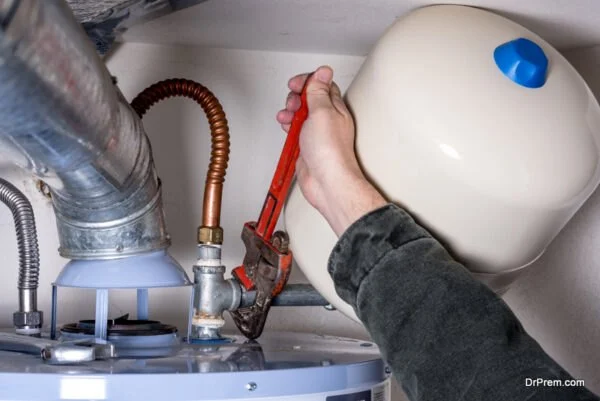
Why Broken Water Heaters Cause Major Damage
Water heaters are essential appliances that provide hot water for daily activities such as bathing, cooking, and cleaning. However, when these systems break down, they can lead to serious water damage in your home. A malfunctioning or broken water heater can cause significant flooding, especially if the issue goes unnoticed for an extended period.
Leaks from broken water heaters can occur due to several reasons, including a malfunctioning valve, sediment buildup, or a crack in the tank. If the water heater is located in an area with limited ventilation, such as a basement or attic, water damage can quickly spread to surrounding areas, damaging floors, walls, and even your home's foundation. Therefore, understanding how to prevent water damage from a broken water heater is critical to preserving your property and minimizing repair costs.
Giants / dry kings restoration of san francisco
San FranciscoSan Francisco CountyCalifornia
685 Geary Blvd, San Francisco, CA 94102, USA
How to Prevent Water Damage from a Broken Water Heater
Preventing water damage from a broken water heater requires regular maintenance, timely repairs, and understanding how to spot potential issues early on. Here are a few essential steps to protect your home:

Wizard Restorations Inc / puroclean of san fernando
Rancho CucamongaSan Bernardino CountyCalifornia
10245 8th St, Rancho Cucamonga, CA 91730, USA
1. Regular Maintenance
One of the best ways to prevent water damage is by maintaining your water heater regularly. Have a professional technician inspect your water heater at least once a year to check for any signs of wear, leaks, or sediment buildup. Regular flushing of the tank will help prevent the buildup of minerals that can cause blockages and leaks. Also, check the temperature setting on your water heater; it should be set to no higher than 120°F to prevent excessive pressure buildup.
2. Install a Water Heater Pan
A water heater pan is a simple yet effective preventive measure. By placing a pan under your water heater, you can catch any leaks that may develop, preventing water from damaging the surrounding area. Ensure that the pan has a drain line that leads outside, allowing water to flow out safely without flooding the interior of your home.
3. Install a Water Leak Detection System
Water leak detection systems are an excellent investment for homeowners who want to catch water leaks early. These systems can detect leaks from the water heater or other plumbing sources and send notifications to your phone. Some systems even automatically shut off the water supply when a leak is detected, preventing further water damage.
4. Replace Old Water Heaters Before They Fail
If your water heater is nearing the end of its expected lifespan (typically 10-15 years), consider replacing it before it fails. Older water heaters are more prone to leaks and malfunctions, and replacing them proactively can save you from expensive repairs and water damage. Investing in a new, energy-efficient model can also reduce your utility bills in the long run.
Signs of a Failing Water Heater to Watch Out For
Recognizing the early signs of a failing water heater can help you prevent catastrophic water damage. Some common signs to watch for include:
1. Leaking Water Around the Heater
If you notice water pooling around your water heater, this is a clear indication that there’s a leak. Water leaks often occur at the base of the tank, where the water heater may have developed a crack or rusted. If the leak is significant, you should immediately turn off the water supply and call a professional plumber.
2. Strange Noises
Strange noises, such as popping, cracking, or rumbling sounds, are often a sign that sediment has built up inside the tank. This can create pressure and stress on the tank, potentially leading to leaks. If you hear these noises, it's time to schedule a maintenance check and possibly flush the tank to remove the sediment buildup.
3. Inconsistent Water Temperature
If your water heater is providing inconsistent water temperatures or no hot water at all, this could indicate a problem with the heating element or thermostat. While this doesn’t necessarily lead to immediate water damage, it’s important to address this issue before it worsens.
4. Increased Water Bills
A sudden increase in your water or energy bills can be a sign that your water heater is malfunctioning. A faulty heater may be running longer than necessary or using more energy to heat the water, which can lead to a noticeable increase in utility costs. Monitoring your bills for unusual spikes is a good way to catch problems early.
Steps to Take When You Have Water Heater Leaks
If you find a leak around your water heater, it's important to act quickly to minimize water damage. Follow these steps:
1. Turn Off the Water Supply
The first thing you should do when you notice a leak is turn off the water supply to your heater. This will stop the leak and prevent further water from flooding the area. You can usually do this by shutting off the valve located on the cold water inlet pipe.
2. Turn Off the Power Supply
If you have an electric water heater, turn off the power supply at the circuit breaker to avoid any electrical hazards. For gas water heaters, turn off the gas supply. This will ensure that there are no risks associated with electrical or gas issues while dealing with the water heater leak.
3. Call a Professional
It’s always best to contact a licensed plumber or technician to handle water heater repairs. Attempting to fix a broken water heater on your own can lead to further damage or void your warranty. A professional will diagnose the issue, fix any leaks, and perform necessary repairs to ensure the heater operates safely.
How to Choose the Best Water Heater Replacement
If you’ve decided that it’s time to replace your water heater, choosing the right model is crucial to avoid future issues. When selecting a new water heater, consider the following factors:
1. Size and Capacity
The size of the water heater should be based on the number of people in your household and your water usage. Larger households may need a water heater with a higher capacity to meet the demand for hot water, while smaller homes can opt for more compact models.
2. Energy Efficiency
Look for energy-efficient models that will help reduce your utility bills. Water heaters are one of the biggest energy consumers in the home, so investing in an Energy Star-rated model can save you money in the long run.
3. Type of Heater
Water heaters come in different types, including traditional tank-style heaters, tankless water heaters, and heat pump water heaters. Tankless water heaters are a popular choice for homeowners who want an endless supply of hot water, while heat pump water heaters offer excellent energy savings for those willing to invest in a more expensive model.
Why Choose Reliable Damage Hub
If you’re dealing with water damage or want to protect your home from potential water heater issues, look no further than Reliable Damage Hub. Our expert advice, top-rated products, and comprehensive solutions will help you prevent damage, repair leaks, and keep your home safe. Explore our site today to find everything you need to safeguard your property from water-related issues.
 Hero Mold Company of Wilmington NC5.0 (41 reviews)
 1-800-HANSONS4.0 (1145 reviews)
 FAST HELP5.0 (43 reviews)
 Complete Restoration5.0 (19 reviews)
 ATI Restoration3.0 (9 reviews)
 All Seasons Restoration5.0 (20 reviews)
 What Happens When You Don’t Fix Water Damage Immediately
 How to Dry Out Water-Damaged Concrete Surfaces
 How to Handle Water Damage From Burst Water Heaters – Cleanup, Repair & Prevention
 DIY vs. Professional Water Damage Repair: Which Is Right for You?
 How to Restore Water-Damaged Books and Papers
 How to Repair Water-Damaged Window Frames: A Step-by-Step Guide