
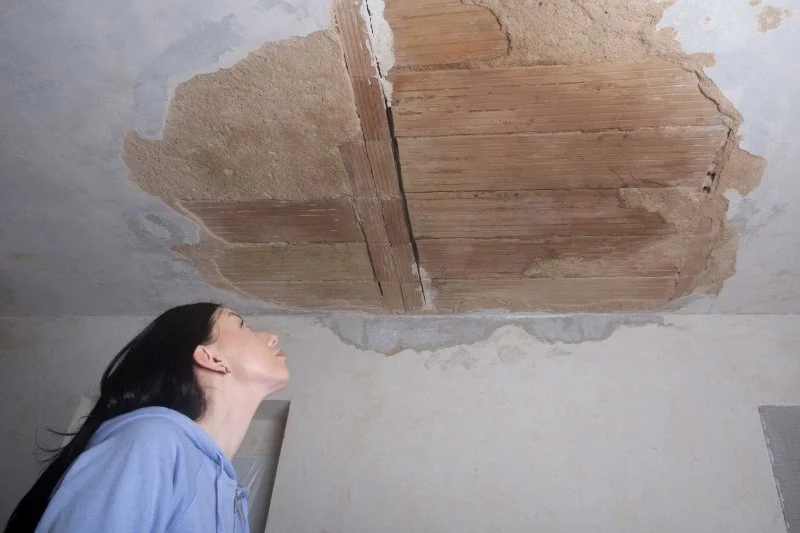
How to Identify and Prevent Water Damage in Your Ceiling
Water damage in your ceiling can be a silent and costly problem if left unchecked. Whether it's caused by a leaky roof, plumbing issues, or a broken pipe, ceiling water damage can quickly lead to structural problems, mold growth, and costly repairs. In this guide, we’ll show you how to identify signs of water damage, take preventative measures, and handle repairs to keep your ceiling in top condition.
- Signs of Water Damage in Your Ceiling
- Common Causes of Ceiling Water Damage
- How to Prevent Water Damage in Your Ceiling
- How to Repair Ceiling Water Damage
- Why Choose Reliable Damage Hub for Roof and Ceiling Repairs
Signs of Water Damage in Your Ceiling
Identifying water damage early can save you a lot of time and money on repairs. Here are some common signs that your ceiling may be suffering from water damage:

Kustom US Restoration / kustom restoration
1215 W Houston Ave Suite A, Gilbert, AZ 85233, USA
1. Water Stains and Discoloration
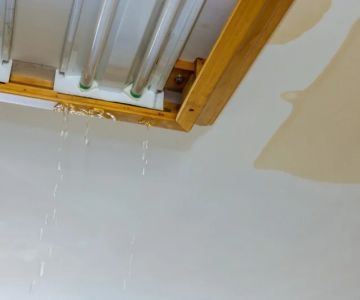
The most obvious sign of water damage in your ceiling is water stains. These stains often appear as yellowish or brownish marks, usually around light fixtures, vents, or corners. As the water continues to seep through, the stains can expand and darken.
SERVPRO of Pompano Beach / servpro fort lauderdale south
Pompano BeachBroward CountyFlorida
2101 NW 33rd St #200a, Pompano Beach, FL 33069, USA
2. Sagging or Bulging Ceilings
If you notice that your ceiling is sagging or bulging, this is a clear indication that water has been pooling in the area for an extended period. A sagging ceiling can eventually collapse if not addressed, making it a serious safety hazard.
3. Peeling Paint or Wallpaper
Water can cause paint and wallpaper to peel away from the ceiling. If you see areas where the paint or wallpaper is coming off in large flakes, it may be due to water damage. This is often a sign that water has penetrated deep into the ceiling surface.
4. Musty Odor
One of the less visible but equally concerning signs of water damage is a musty, moldy odor. If you notice this smell in your home, it could mean that water has infiltrated your ceiling, promoting mold growth that thrives in damp conditions.
Common Causes of Ceiling Water Damage
Water damage in the ceiling can occur for several reasons. Here are some of the most common causes of ceiling water damage:
1. Roof Leaks
A leaking roof is one of the most common causes of water damage in ceilings. Heavy rain, damaged shingles, and old roofing materials can allow water to penetrate the roof and seep into the ceiling below. This type of damage is often gradual and can go unnoticed until it has spread across a large area.
2. Plumbing Issues
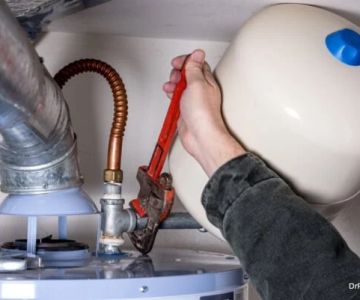
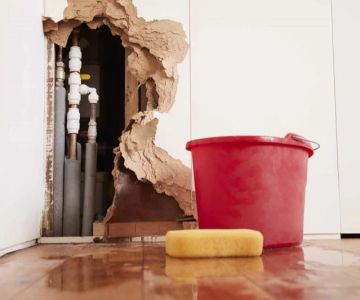
Plumbing leaks, especially those in pipes running through the ceiling, are another common cause of water damage. If a pipe bursts or a joint becomes loose, water can leak into the ceiling, leading to stains, sagging, and even mold growth. Leaks from bathrooms, kitchens, and laundry rooms are common culprits.
3. Condensation Build-Up
In some cases, water damage in the ceiling is caused by condensation, particularly in areas with high humidity. This can happen in attics or around air conditioning units, where warm, moist air meets cooler surfaces, leading to water droplets accumulating on the ceiling.
4. Faulty HVAC Systems
If your HVAC system is leaking, it can lead to water damage in the ceiling. This is often caused by a clogged drain line or an issue with the system’s condensation. If left untreated, it can result in extensive water damage and mold growth in the ceiling.
How to Prevent Water Damage in Your Ceiling
Preventing water damage in your ceiling requires regular maintenance and awareness of the potential causes. Here are some preventative steps you can take:
1. Regular Roof Inspections
To prevent water damage from a leaky roof, it’s essential to schedule regular roof inspections, particularly before and after storm seasons. Check for missing shingles, cracks, or debris buildup that could cause water to seep into your home. Hire a professional roofing contractor to conduct a thorough inspection and make any necessary repairs.
2. Maintain Your Plumbing
Routine plumbing inspections are crucial to prevent leaks that could lead to ceiling water damage. Check pipes for signs of corrosion or leaks, and ensure that joints are properly sealed. Make sure that plumbing fixtures in bathrooms, kitchens, and laundry rooms are properly maintained.
3. Insulate Your Attic
In areas with cold winters, poor insulation in the attic can lead to condensation build-up, which can result in water damage to the ceiling. Ensure your attic is properly insulated and ventilated to prevent moisture buildup and protect your ceiling from water damage.
4. Keep Gutters Clean
Clogged gutters can lead to water pooling around your roof and eventually seeping into the ceiling. Clean your gutters regularly to ensure they can direct water away from the roof efficiently. This simple maintenance task can save you from significant water damage and costly repairs.
How to Repair Ceiling Water Damage
If you discover water damage in your ceiling, it’s important to act quickly to prevent further damage. Here are the steps to repair ceiling water damage:
1. Identify the Source of the Leak
Before repairing the ceiling, you must first identify and fix the source of the water leak. If the leak is due to a roof issue, plumbing problem, or HVAC malfunction, repair these issues first to prevent further water damage.
2. Dry Out the Area
Once the source of the water is addressed, dry out the affected area. Use fans, dehumidifiers, or professional water extraction services to remove any moisture. Allow the ceiling to dry completely before beginning repairs to prevent mold growth.
3. Repair or Replace Damaged Materials
Depending on the extent of the damage, you may need to replace the ceiling materials. For minor damage, you can patch up the ceiling with joint compound and repaint the area. For more extensive damage, it may be necessary to replace sections of drywall or insulation to restore the ceiling’s integrity.
Why Choose Reliable Damage Hub for Roof and Ceiling Repairs
At Reliable Damage Hub, we specialize in roof and ceiling repairs. Our experienced team can help you identify and address water damage before it causes further harm. Whether you need professional roof inspections, plumbing repairs, or ceiling restoration, we provide expert services to protect your home from water damage.
Visit Reliable Damage Hub today to find the best products and services to repair and protect your home from water damage!
 Hero Mold Company of Wilmington NC5.0 (41 reviews)
 1-800-HANSONS4.0 (1145 reviews)
 FAST HELP5.0 (43 reviews)
 Complete Restoration5.0 (19 reviews)
 ATI Restoration3.0 (9 reviews)
 All Seasons Restoration5.0 (20 reviews)
 What Happens When You Don’t Fix Water Damage Immediately
 How to Dry Out Water-Damaged Concrete Surfaces
 How to Handle Water Damage From Burst Water Heaters – Cleanup, Repair & Prevention
 DIY vs. Professional Water Damage Repair: Which Is Right for You?
 How to Restore Water-Damaged Books and Papers
 How to Repair Water-Damaged Window Frames: A Step-by-Step Guide