
- 1- Immediate Actions to Take After a Burst Pipe
- 2- Stopping the Flow of Water
- 3- Assessing Water Damage
- 4- Cleaning Up and Drying Your Home
- 5- Repairing the Broken Pipe and Prevention Tips
- 6- When to Call for Professional Help
What to Do if Your House is Flooded from a Broken Pipe
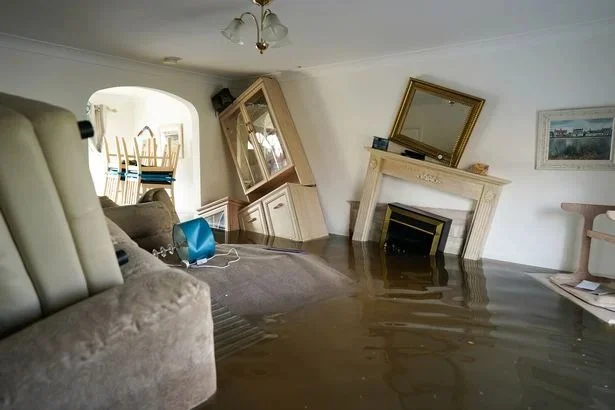
Dealing with a flooded home due to a broken pipe can be overwhelming. Water can cause significant damage to your property, but knowing the right steps to take immediately after the incident can save your home from further destruction.
This guide will walk you through the crucial steps to take if your house is flooded from a broken pipe, helping you minimize damage and recover quickly. From emergency actions to dealing with water damage, we’ve got you covered.

Wizard Restorations Inc / puroclean of san fernando
Rancho CucamongaSan Bernardino CountyCalifornia
10245 8th St, Rancho Cucamonga, CA 91730, USA
1. Immediate Actions to Take After a Burst Pipe
The first few minutes after a pipe bursts are critical. Here’s what you need to do:
1.1. Turn Off the Water Supply: As soon as you notice flooding, locate your home’s main water shutoff valve and turn it off. This will stop the flow of water and prevent further damage. Most shutoff valves are located in basements, crawlspaces, or near water meters outside your house.
1.2. Turn Off Electricity: If the water is near electrical outlets or appliances, switch off the power at the breaker box to avoid the risk of electrical shock.
1.3. Evacuate the Area: If the flooding is severe, evacuate the affected rooms and take any valuable items to higher ground. Avoid walking through standing water, especially if it’s mixed with electricity.
SERVPRO of Pompano Beach / servpro fort lauderdale south
Pompano BeachBroward CountyFlorida
2101 NW 33rd St #200a, Pompano Beach, FL 33069, USA
2. Stopping the Flow of Water
Once you’ve secured your safety and stopped the water supply, it’s time to assess the damage:
2.1. Locate the Broken Pipe: If possible, identify where the pipe has burst. This will help you explain the issue to a plumber when they arrive, and may assist with temporary fixes if needed.
2.2. Contain the Water: Use towels, blankets, or even plastic sheets to contain the spread of water. This can help prevent water from seeping into other rooms or areas of your home.
2.3. Remove Standing Water: If you’re able to safely do so, begin removing any standing water using a wet/dry vacuum or mops. The quicker you act, the less damage the water will cause.
3. Assessing Water Damage
Once the water has been stopped, it’s time to assess the extent of the damage. Here’s how:
3.1. Check the Flooring: Inspect carpets, rugs, hardwood, and laminate floors. Standing water can warp floors and encourage mold growth. Carpets may need to be professionally cleaned or replaced, while hardwood floors can often be salvaged with proper drying.
3.2. Inspect Walls and Ceilings: Water can seep into walls and ceilings, causing staining and potential structural issues. If the damage is severe, these areas may need to be replaced or repaired by a professional.
3.3. Identify Mold and Mildew: After flooding, mold and mildew can grow quickly. Check areas like basements, closets, and other damp places. It’s important to address mold early to prevent health hazards.
4. Cleaning Up and Drying Your Home
Cleaning and drying your home is essential to prevent further damage:
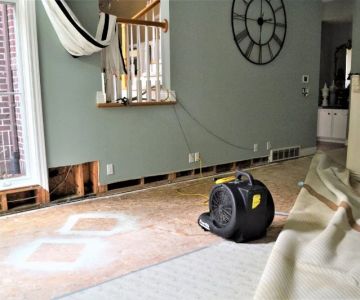
4.1. Use Fans and Dehumidifiers: To dry the area, use fans, dehumidifiers, and open windows. Proper ventilation is essential to prevent mold and mildew growth.
4.2. Remove Damaged Materials: If items like insulation or drywall are saturated, they may need to be removed to prevent mold growth. This will also help with the drying process.
4.3. Professional Cleaning: For extensive water damage, consider hiring a professional water damage restoration company. These experts have the right tools to efficiently clean and dry your home, minimizing future risks.
5. Repairing the Broken Pipe and Prevention Tips
After cleaning up the mess, it's time to deal with the broken pipe:
5.1. Hire a Plumber: If you're not familiar with plumbing repairs, it’s best to call a licensed plumber to fix the broken pipe. They will identify the root cause of the issue and ensure it’s repaired properly.
5.2. Inspect Your Pipes Regularly: Regular pipe inspections can help catch issues before they cause flooding. Ensure your pipes are in good condition, and replace any old or corroded pipes to prevent future leaks.
5.3. Insulate Pipes: During cold months, freezing pipes can lead to bursting. Consider insulating vulnerable pipes, particularly those in attics, basements, or crawlspaces.
6. When to Call for Professional Help
If the flooding has caused significant damage or you’re unsure how to handle the cleanup, calling a professional is often the best option:
6.1. Water Damage Restoration Services: Water damage restoration companies specialize in handling large-scale flooding and water-related emergencies. They can help you repair, clean, and restore your home to its pre-flood condition.
6.2. Plumbing Services: A professional plumber will ensure that your pipes are properly repaired and prevent future issues. They can also inspect your plumbing system to catch any potential problems early on.
6.3. Insurance Adjusters: If you have homeowner’s insurance, contact your insurance company to report the damage and file a claim. An insurance adjuster will assess the damage and help you understand your coverage options.
 Good Roads Water Damage Experts5.0 (1 reviews)
 R&R Foundation Specialist4.0 (305 reviews)
 MJ White4.0 (102 reviews)
 ATI Restoration3.0 (25 reviews)
 Modernistic4.0 (251 reviews)
 ServiceMaster Cleaning Services4.0 (27 reviews)
 Water Damage Restoration for Retail Spaces – Expert Tips and Real Cases
 How to Prevent and Repair Water Damage in Commercial Properties
 How to Protect Your Home’s Electrical System from Water Damage: Essential Tips
 Flooded Basement? Here’s How to Restore It Safely
 How to Handle Water Damage After a Storm: A Step-by-Step Guide
 How to Handle Water Damage from Burst Pipes: A Step-by-Step Guide