How to Safely Remove Standing Water From Your Home
- 1. Introduction
- 2. Why Standing Water is Dangerous
- 3. Step-by-Step Guide to Removing Standing Water
- 4. Safety Precautions When Dealing with Standing Water
- 5. When to Call Professionals
1. Introduction
Standing water in your home can be more than just an inconvenience—it can be a significant health hazard. Whether caused by flooding, leaky pipes, or heavy rain, standing water provides an ideal breeding ground for mold, bacteria, and pests. In this guide, we’ll walk you through how to safely remove standing water from your home, while keeping safety and efficiency in mind. By following these steps, you can protect your property and health from water damage.
Drip Restoration / valleywide restoration mesa az
932 S Stapley Dr, Mesa, AZ 85204, USA
2. Why Standing Water is Dangerous
Standing water poses multiple risks to your home and health, including:
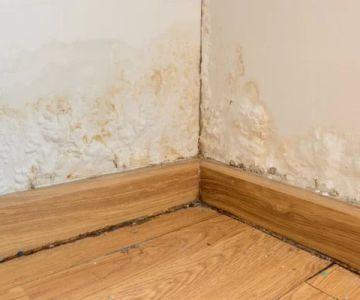
- Mold Growth: Excess moisture encourages mold growth, which can lead to structural damage and respiratory problems.
- Health Hazards: Bacteria and viruses in contaminated water can lead to illnesses such as gastrointestinal issues and skin infections.
- Attractive to Pests: Standing water attracts pests like mosquitoes, which breed in stagnant water and can spread diseases.
- Structural Damage: Over time, prolonged exposure to water can weaken your home’s foundation and cause walls, floors, and ceilings to deteriorate.
Clearly, removing standing water quickly is crucial for protecting both your health and your property.
SERVPRO of Pompano Beach / servpro fort lauderdale south
Pompano BeachBroward CountyFlorida
2101 NW 33rd St #200a, Pompano Beach, FL 33069, USA
3. Step-by-Step Guide to Removing Standing Water
Follow these steps to safely and effectively remove standing water from your home:
- Assess the Situation: Before starting, determine the source of the water. Identify whether the water is from a clean or contaminated source (e.g., a clean spill versus sewage backup).
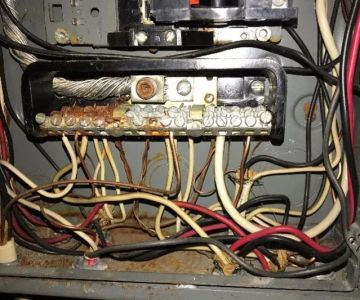
- Turn Off Power: Ensure all electrical appliances and systems are turned off, especially if water has reached any electrical outlets or appliances. This will help prevent electrical hazards.
- Wear Protective Gear: If the water is potentially contaminated, wear rubber boots, gloves, and a mask to protect yourself from harmful bacteria and debris.
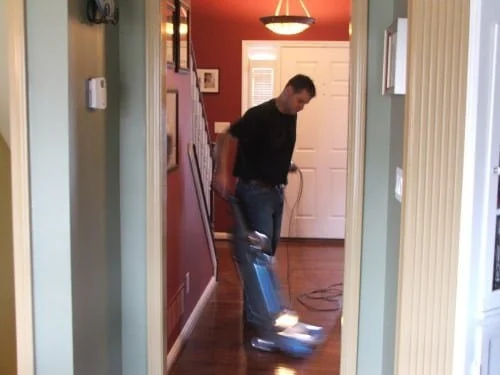
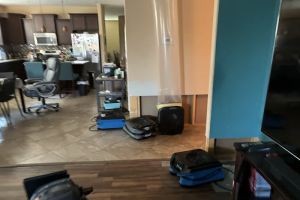
- Remove Water Using Pumps or Wet Vacuums: For large amounts of water, use a pump or wet vacuum to remove the water. For smaller amounts, you can use towels or mops to soak up the water.
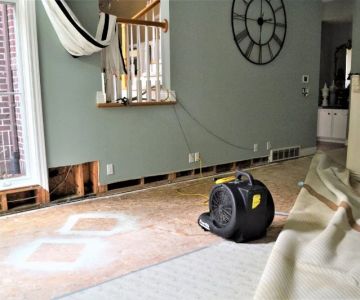
- Dry the Area: After the water is removed, use fans, dehumidifiers, or natural ventilation to dry out the area. The goal is to reduce humidity and prevent mold growth.
- Clean and Sanitize: Clean the affected area with disinfectants to prevent bacteria and mold from growing. Pay special attention to porous materials like carpets and rugs, as they may need professional cleaning or replacement.
4. Safety Precautions When Dealing with Standing Water
When dealing with standing water, safety should be your priority. Here are some key precautions:
- Check for Electrical Hazards: Never enter standing water if there is any chance of electrical wiring being submerged. Always turn off the power to your home before starting the removal process.
- Wear Protective Gear: As mentioned, rubber boots, gloves, and masks will protect you from potential contamination, especially in cases of sewage backups or floodwaters.
- Ensure Proper Ventilation: Adequate ventilation helps speed up the drying process and reduces the risk of mold and mildew growth.
- Avoid Using Electric Appliances: Do not use electric-powered equipment, such as vacuums or fans, in areas where water is still standing to avoid electrical shock.
5. When to Call Professionals
In some cases, it may be best to call in the professionals. Here are situations where professional help is recommended:
- Large Scale Water Damage: If the amount of water is significant and difficult to remove, professionals can provide high-powered equipment and expertise.
- Floodwaters: If the water is from a flood, it may be contaminated with sewage or chemicals, requiring specialized cleaning and decontamination services.
- Mold Growth: If you notice mold starting to form or if you have concerns about hidden mold, it’s best to have experts handle mold remediation.
- Structural Damage: If water has caused visible damage to your home’s structure, a professional inspection can help assess and repair any damage before it worsens.
By reaching out to professionals like those at Reliable Damage Hub, you can ensure the job is done properly and safely.
 Good Roads Water Damage Experts5.0 (1 reviews)
 R&R Foundation Specialist4.0 (305 reviews)
 MJ White4.0 (102 reviews)
 ATI Restoration3.0 (25 reviews)
 Modernistic4.0 (251 reviews)
 ServiceMaster Cleaning Services4.0 (27 reviews)
 Water Damage Restoration for Retail Spaces – Expert Tips and Real Cases
 How to Prevent and Repair Water Damage in Commercial Properties
 How to Protect Your Home’s Electrical System from Water Damage: Essential Tips
 Flooded Basement? Here’s How to Restore It Safely
 How to Handle Water Damage After a Storm: A Step-by-Step Guide
 How to Handle Water Damage from Burst Pipes: A Step-by-Step Guide