
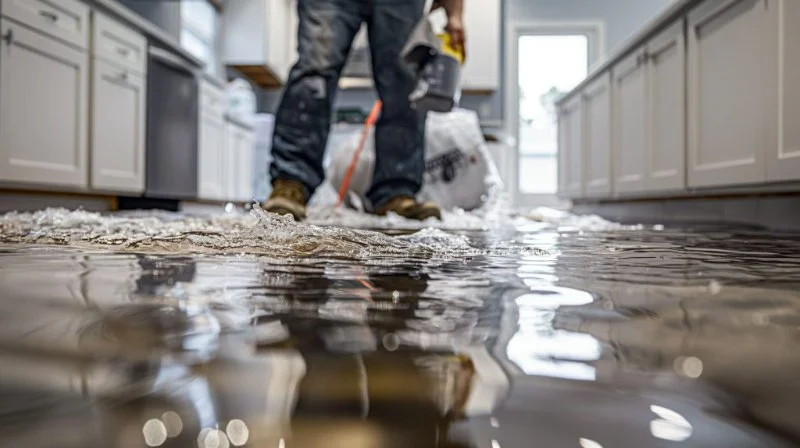
Water Damage Restoration After Heavy Rain: Tips and Best Practices
- 1. Assess the Water Damage Immediately
- 2. Remove Standing Water
- 3. Dry the Area Thoroughly
- 4. Check for Mold and Mildew
- 5. Seek Professional Restoration Help
1. Assess the Water Damage Immediately
After heavy rain, the first step in water damage restoration is to assess the situation. It's essential to evaluate the extent of the damage to minimize future issues. Start by checking areas like:
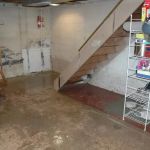
- Basements and Lower Levels: These areas are the most susceptible to flooding and water damage, so make sure to inspect them first.
- Attics and Ceilings: If water leaks from the roof, these areas could be compromised as well.
- Floors and Walls: Look for any stains, bubbling, or warping, which can indicate hidden damage.
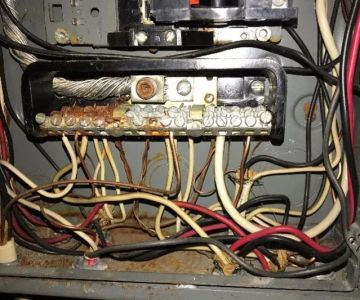
Be thorough in your inspection, but remember to be cautious around electrical hazards. If in doubt, turn off the power to affected areas to avoid accidents.
Giants / dry kings restoration of san francisco
San FranciscoSan Francisco CountyCalifornia
685 Geary Blvd, San Francisco, CA 94102, USA
2. Remove Standing Water
Once you’ve assessed the damage, the next priority is to remove standing water. Standing water can quickly cause more damage and provide a breeding ground for mold. To remove the water:
- Pumps: For larger areas, consider using a sump pump or a submersible pump to remove the water quickly.
- Wet/Dry Vacuums: For smaller amounts of water, a wet/dry vacuum can help suck up the water from the floors and carpets.
- Manual Removal: In some cases, you may need to manually soak up the water with towels or sponges if the area is too small for the larger equipment.
Make sure you remove the water as quickly as possible to prevent additional water damage, including the weakening of structural elements like wood and drywall.
SERVPRO of Pompano Beach / servpro fort lauderdale south
Pompano BeachBroward CountyFlorida
2101 NW 33rd St #200a, Pompano Beach, FL 33069, USA
3. Dry the Area Thoroughly
Drying the area thoroughly is crucial in preventing mold growth and further structural damage. Here are some key steps to follow:
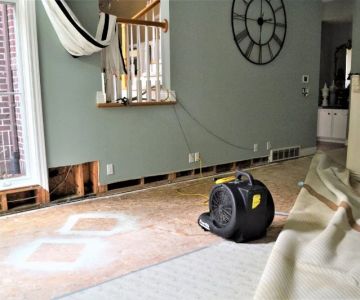
- Use Dehumidifiers: Set up multiple dehumidifiers to help absorb moisture from the air, especially in basements or other closed-off spaces.
- Fans and Ventilation: Use fans to circulate air throughout the space, particularly in areas with high humidity.
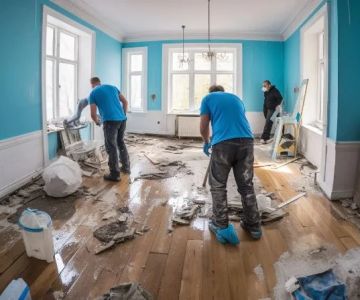
- Remove Wet Materials: Dispose of any wet insulation, carpets, or drywall that can’t be dried effectively. Wet materials can become a source of mold.
Be patient and make sure that all areas are completely dry before proceeding with repairs to avoid long-term issues.
4. Check for Mold and Mildew
Water damage, especially after heavy rain, can lead to mold and mildew growth. Mold can start to grow within 24-48 hours in damp conditions, so it’s critical to inspect your property for any signs of mold:
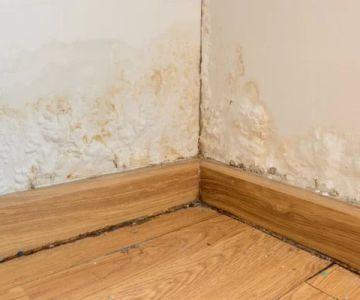
- Look for discoloration: Mold can appear as black, green, or white patches on walls, ceilings, and floors.
- Musty odor: If there’s a strong musty smell, this could be a sign of mold in hidden areas.
- Check for moisture: Use a moisture meter to check hidden areas like behind walls and under floors where mold may be present.
If you find mold, it’s important to address it as quickly as possible. You can remove small amounts of mold with bleach or other mold removal products, but for large infestations, it’s best to consult a professional restoration service.
5. Seek Professional Restoration Help
In some cases, water damage restoration after heavy rain can be too extensive or complicated to handle on your own. If the damage is severe or if you have trouble with mold removal, it may be time to seek professional help. A professional restoration company can provide:
- Advanced Equipment: Professionals use high-powered equipment, such as industrial dehumidifiers, pumps, and moisture detectors, that are more efficient than household tools.
- Expert Knowledge: Water damage restoration experts understand the best methods for mitigating damage and preventing future problems.
- Insurance Help: Many restoration companies work directly with your insurance provider to ensure the damage is properly documented and covered.
It’s important to act quickly after heavy rain to minimize damage. If you need assistance, consider reaching out to Reliable Damage Hub for expert help with water damage restoration.
 Good Roads Water Damage Experts5.0 (1 reviews)
 R&R Foundation Specialist4.0 (305 reviews)
 MJ White4.0 (102 reviews)
 ATI Restoration3.0 (25 reviews)
 Modernistic4.0 (251 reviews)
 ServiceMaster Cleaning Services4.0 (27 reviews)
 Water Damage Restoration for Retail Spaces – Expert Tips and Real Cases
 How to Prevent and Repair Water Damage in Commercial Properties
 How to Protect Your Home’s Electrical System from Water Damage: Essential Tips
 Flooded Basement? Here’s How to Restore It Safely
 How to Handle Water Damage After a Storm: A Step-by-Step Guide
 How to Handle Water Damage from Burst Pipes: A Step-by-Step Guide