
- 1- Identifying Water Damage in Your Walls and Ceiling
- 2- The Causes of Water Damage in Walls and Ceilings
- 3- How to Repair Water Damage in Your Walls and Ceiling
- 4- Preventing Future Water Damage
- 5- When to Call a Professional for Water Damage Repair
1- Identifying Water Damage in Your Walls and Ceiling
Water damage in walls and ceilings can often be subtle at first, but it can cause significant long-term damage if not addressed promptly. The first step in dealing with water damage is to identify it early. Here are some common signs of water damage:
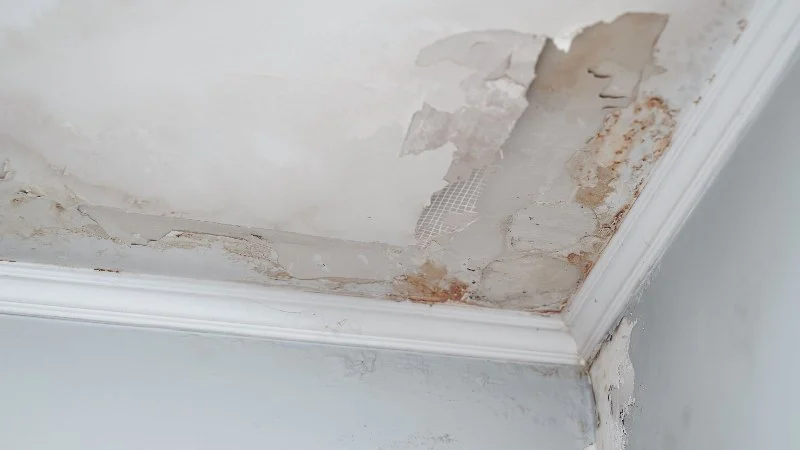
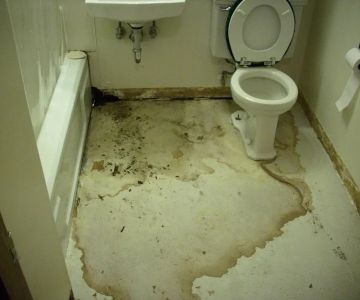
- Stains or Discoloration: Yellow, brown, or dark water stains on the ceiling or walls are often the first indicators of water damage. These stains typically appear in areas where water has leaked through the ceiling or walls.
- Peeling Paint or Wallpaper: When water gets behind painted surfaces or wallpaper, it can cause them to bubble, peel, or warp. This is often a sign that water has been present for some time.
- Soft or Sagging Ceilings: If the ceiling feels soft or begins to sag, it could be a sign that the water has been pooling in that area, weakening the structure. In some cases, it may even begin to collapse.
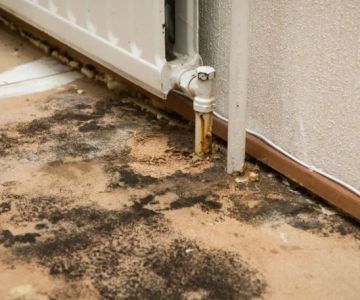
- Mold or Mildew: The presence of mold or mildew on your walls or ceiling is a clear indication that water has been lingering in the area for an extended period. Mold thrives in damp conditions, so it’s important to address water issues as soon as they are detected.
2- The Causes of Water Damage in Walls and Ceilings
Water damage can stem from several different sources. Understanding the cause is crucial for making the necessary repairs and preventing future issues. Here are some of the most common causes of water damage in walls and ceilings:
- Leaking Roofs: A damaged or aging roof is one of the most common causes of water damage. When shingles or flashing are compromised, rainwater can seep into the attic, eventually making its way down to the walls and ceilings.
- Broken Pipes: A burst or leaking pipe can cause water to travel through the walls and ceilings. This is often the result of frozen pipes in the winter or pipes that have become worn over time.
- HVAC System Leaks: Condensation from an air conditioning unit or HVAC system can accumulate in ceilings or walls if drainage is blocked or if there’s a leak in the system.
- Flooding or Natural Disasters: Severe weather, flooding, or natural disasters can overwhelm your home’s ability to manage water, leading to significant water damage in walls and ceilings.
3- How to Repair Water Damage in Your Walls and Ceiling
Once you’ve identified and located the water damage, it’s time to take action. Here’s a step-by-step guide to repairing water damage in your walls and ceiling:
- Step 1: Stop the Source of Water: The first thing you must do is stop the water from continuing to damage your home. If the damage is from a leaking roof, call a roofer. If it's from broken pipes, turn off the main water supply.
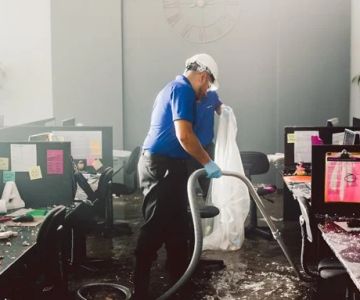
- Step 2: Remove Moisture: Dry out the affected areas as quickly as possible to prevent mold and mildew growth. Use fans, dehumidifiers, and open windows to promote airflow. You may also want to use towels or a wet/dry vacuum to soak up excess water.
- Step 3: Inspect and Remove Damaged Materials: Once the area is dry, inspect the walls and ceiling for significant damage. In some cases, you may need to remove water-damaged drywall, insulation, or plaster. Be sure to wear protective gear if handling moldy materials.
- Step 4: Replace and Repair: After the damaged materials are removed, it’s time to replace them. For drywall, cut and fit new pieces to match the old ones. Reinstall insulation if necessary. Then, apply new paint or wallpaper to restore the appearance of your walls and ceiling.
- Step 5: Check for Mold: After repairs, check for any signs of mold or mildew in the affected areas. If mold is present, it’s important to treat it immediately with a mold remover or contact a professional for mold remediation.
4- Preventing Future Water Damage
Once you’ve dealt with the immediate water damage, it’s important to take steps to prevent it from happening again. Here are some tips to help avoid future issues:
- Regular Roof Inspections: Schedule regular inspections for your roof, especially if it's older or has had previous issues. Replace damaged shingles and flashing to keep water from entering your home.
- Maintain Plumbing: Regularly check your pipes for leaks, especially in colder months when pipes are more prone to freezing. Insulate pipes and repair any leaks promptly to prevent water damage.
- Ensure Proper Drainage: Make sure your gutters and downspouts are clear and working properly. Overflowing gutters can cause water to seep into your walls and ceiling, especially during heavy rainfall.
- Seal Leaks in Windows and Doors: Check the seals around windows and doors to ensure there are no gaps where water can seep in. Replace weather stripping if it’s worn out to prevent water intrusion during storms.
5- When to Call a Professional for Water Damage Repair
While small water damage repairs can be handled by homeowners, some situations require professional help. It’s important to know when to call an expert:
- Extensive Water Damage: If the water damage is widespread, involves multiple rooms, or has affected the foundation, it's best to call a professional restoration company to assess and repair the damage.
- Mold or Structural Damage: If you suspect mold growth or significant structural damage, such as sagging ceilings or warped walls, it’s time to contact a professional who can handle the remediation safely and effectively.
- Insurance Claims: If the water damage is extensive, it may be covered by insurance. A professional can help you navigate the claims process and ensure all necessary repairs are completed.
 Stanley Steemer4.0 (1526 reviews)
 King's Quality Restoration4.0 (4 reviews)
 Residential ResQ LLC4.0 (46 reviews)
 Restoration5.0 (62 reviews)
 Andiamo Property Restoration5.0 (12 reviews)
 Everdry Waterproofing of Pittsburgh4.0 (316 reviews)
 Water Damage Restoration for Multi-Family Homes
 What to Do if Your Home’s Water Damage Is Covered by Insurance
 How to Repair Water-Damaged Drywall: Step-by-Step Guide
 Water Damage Repair for Commercial Properties: Key Considerations and Tips
 Water Damage Restoration for Schools and Educational Buildings
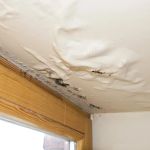 How to Identify Water Damage from Hidden Leaks in Your Roof