
- 1. Understanding Water Damage and Its Impact on Your Home
- 2. Early Signs of Water Damage in Your Home
- 3. How to Investigate Your Home for Water Damage
- 4. How to Prevent Water Damage from Happening
- 5. Real-Life Case Study: Homeowner Prevents Major Water Damage
1. Understanding Water Damage and Its Impact on Your Home
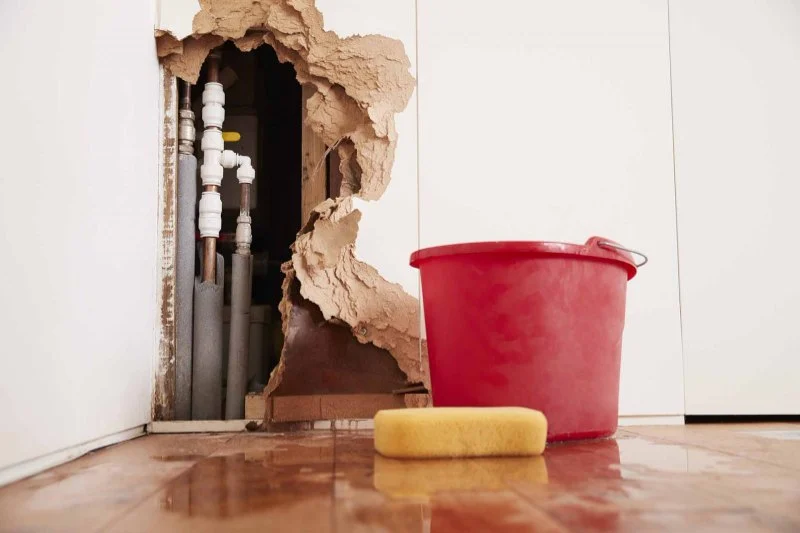
Water damage is one of the most common and potentially destructive issues homeowners face. It can occur from a variety of sources, including leaking pipes, roof damage, poor drainage, or even natural disasters like floods. If left unchecked, water damage can lead to structural issues, mold growth, and compromised air quality, all of which can significantly affect your home’s value.
Understanding the importance of early detection is crucial in preventing long-term damage. By being aware of the early warning signs of water damage, you can take action before the problem escalates, saving time, money, and stress.
2. Early Signs of Water Damage in Your Home
Identifying water damage early can make all the difference in mitigating costly repairs. Here are some common signs that indicate water damage might be present in your home:
2.1 Stains on Walls and Ceilings
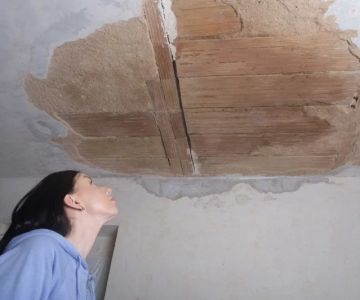
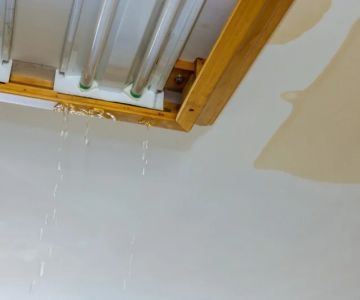
If you notice yellow or brown stains on your walls or ceiling, this is often a sign of water damage. These stains typically appear when water seeps through the roof or pipes, leaving behind marks that indicate moisture intrusion.
2.2 Warped or Buckled Floors
When water seeps into flooring, it can cause the material to swell, warp, or buckle. Hardwood floors are especially vulnerable, but water damage can affect all types of flooring, including laminate and carpet. If your floors appear uneven or feel soft underfoot, it’s time to investigate further.
2.3 Mold and Mildew Growth
Moisture provides the perfect environment for mold and mildew to grow. If you start to smell a musty odor or notice visible mold growth in corners, walls, or ceilings, this is a strong indicator that water damage has occurred. Mold not only damages your home but also poses a serious health risk.
2.4 Peeling Paint or Wallpaper
If you notice peeling or bubbling paint or wallpaper, it could be a sign that water is trapped beneath the surface. This occurs when moisture accumulates behind the walls, causing the paint or wallpaper to lose its adhesion.
3. How to Investigate Your Home for Water Damage
If you suspect water damage in your home, it’s essential to investigate thoroughly to identify the source and extent of the problem. Here’s how you can go about it:
3.1 Check for Visible Leaks
Start by looking for visible leaks in areas like your roof, windows, doors, and plumbing fixtures. Inspect your attic, basement, and crawl spaces, as these are common areas for water infiltration. Check for drips, wet spots, or standing water that could indicate an issue.
3.2 Use a Moisture Meter
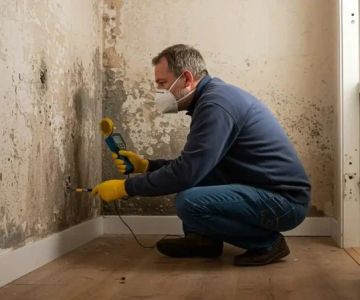
For a more precise investigation, consider using a moisture meter to detect hidden water damage. These devices can measure the moisture level in walls, floors, and ceilings, helping you identify areas that might not be visible to the naked eye.
3.3 Inspect the Foundation and Exterior
Water damage doesn’t always come from the inside. Check the exterior of your home for any signs of poor drainage, clogged gutters, or cracks in the foundation. These issues can allow water to enter your home and cause significant damage over time.
4. How to Prevent Water Damage from Happening
Preventing water damage is much more affordable and less stressful than dealing with repairs. Here are some proactive steps you can take to protect your home:
4.1 Maintain Your Roof
Your roof is your first line of defense against water damage. Regular roof inspections and maintenance can help prevent leaks and water intrusion. Clean gutters and downspouts, repair damaged shingles, and ensure that your roof is in good condition to avoid water from entering your home.
4.2 Seal Cracks and Gaps
Inspect your windows, doors, and foundation for any cracks or gaps that could allow water to seep in. Sealing these openings with weatherproofing materials will help keep moisture out and prevent water damage over time.
4.3 Install a Sump Pump
If you have a basement, consider installing a sump pump to prevent flooding. A sump pump will help remove water that accumulates in the lowest part of your home, reducing the risk of water damage during heavy rainfall or plumbing issues.
4.4 Control Indoor Humidity
Excess humidity inside your home can lead to condensation, which can cause water damage and mold growth. Use dehumidifiers in damp areas like basements, kitchens, and bathrooms to maintain a safe moisture level indoors.
5. Real-Life Case Study: Homeowner Prevents Major Water Damage
A homeowner in Michigan noticed water stains on their kitchen ceiling, which prompted an immediate investigation. Upon further inspection, they discovered a small leak in the roof caused by a damaged shingle. Fortunately, they had the issue addressed early before it caused major damage to the structure or their belongings.
The homeowner was able to repair the roof leak quickly, saving thousands of dollars in potential repairs. Had they ignored the early signs of water damage, the leak could have spread, leading to mold growth and costly structural repairs. This case highlights the importance of spotting water damage early and taking action promptly to avoid larger problems.
 Hero Mold Company of Wilmington NC5.0 (41 reviews)
 1-800-HANSONS4.0 (1145 reviews)
 FAST HELP5.0 (43 reviews)
 Complete Restoration5.0 (19 reviews)
 ATI Restoration3.0 (9 reviews)
 All Seasons Restoration5.0 (20 reviews)
 What Happens When You Don’t Fix Water Damage Immediately
 How to Dry Out Water-Damaged Concrete Surfaces
 How to Handle Water Damage From Burst Water Heaters – Cleanup, Repair & Prevention
 DIY vs. Professional Water Damage Repair: Which Is Right for You?
 How to Restore Water-Damaged Books and Papers
 How to Repair Water-Damaged Window Frames: A Step-by-Step Guide