
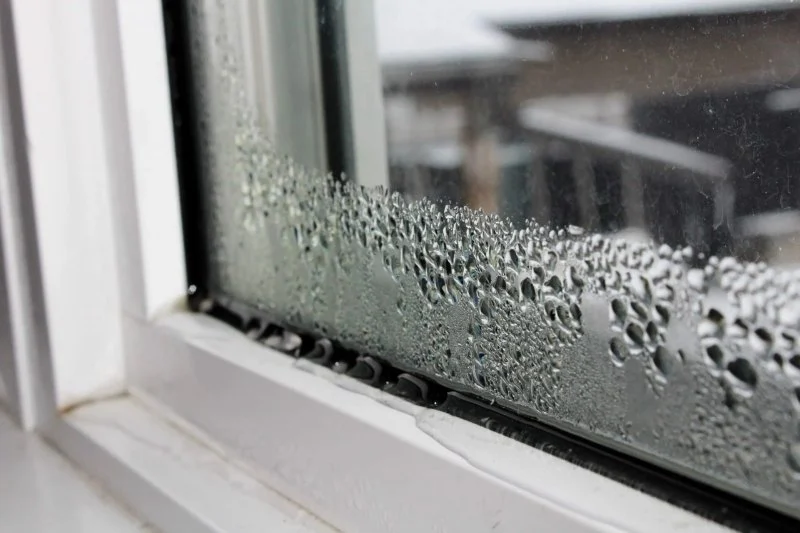
- 1. Identifying Water Damage in Windows
- 2. Common Causes of Water Damage in Windows
- 3. How to Handle Water Damage in Your Property’s Windows
- 4. Preventing Future Water Damage to Windows
1. Identifying Water Damage in Windows
Water damage to your property's windows is a common problem, especially in areas with heavy rainfall or fluctuating temperatures. Early identification is crucial to prevent more severe structural damage and costly repairs. Here are some signs to look out for when identifying water damage in your windows:
1.1. Water Stains and Discoloration: One of the most noticeable signs of water damage is the appearance of water stains or discoloration on the window frames, sills, or surrounding walls. These stains are often yellowish or brown and are indicative of water infiltration over time.
1.2. Peeling Paint or Wallpaper: If you notice that the paint on your window frames is peeling or wallpaper is coming off the walls near the windows, it could be a sign of water exposure. Moisture causes the adhesive to break down, leading to bubbling or peeling paint and wallpaper.
1.3. Mold or Mildew Growth: Water damage creates an environment conducive to mold and mildew growth. If you notice a musty odor or black mold around your window areas, it’s a strong indication that water has been entering the space for an extended period.

Wizard Restorations Inc / puroclean of san fernando
Rancho CucamongaSan Bernardino CountyCalifornia
10245 8th St, Rancho Cucamonga, CA 91730, USA
2. Common Causes of Water Damage in Windows
Understanding the underlying causes of water damage in windows is essential for addressing the issue properly. Here are some common causes of water damage in windows:
2.1. Leaking Window Seals: Over time, the seals around your windows can deteriorate due to weathering, aging, or improper installation. Once the seals fail, water can easily seep into your window frame, leading to damage.
2.2. Improper Installation: If your windows were not installed correctly, gaps and misalignments can allow water to penetrate the structure. This can result in leaks that cause water damage to your window frames and surrounding walls.
2.3. Clogged Gutters: Gutters that are clogged with leaves, dirt, and debris can lead to water overflow that pours directly onto your windows and window sills. This constant water exposure can cause long-term damage to your windows and the surrounding area.
Giants / dry kings restoration of san francisco
San FranciscoSan Francisco CountyCalifornia
685 Geary Blvd, San Francisco, CA 94102, USA
3. How to Handle Water Damage in Your Property’s Windows
If you’ve identified water damage in your windows, it’s essential to act quickly to prevent further issues. Here’s a step-by-step guide on how to handle water damage in your property’s windows:
3.1. Assess the Extent of the Damage: Start by thoroughly inspecting the affected areas to determine how much damage has occurred. Look for any soft spots, rotting wood, or signs of structural instability. Check both the interior and exterior of the window to identify the source of the water.
3.2. Repair or Replace Damaged Seals: If the problem is due to faulty window seals, you may need to replace the weatherstripping or sealant. This is a relatively simple fix that can prevent water from entering your window frame in the future.
3.3. Replace Damaged Window Frames: If your window frames are rotting or severely damaged, you may need to replace them. This can be more costly but is necessary if the integrity of your window has been compromised. Consult a professional to ensure proper installation and weatherproofing.
3.4. Clean and Dry the Area: Use a wet-dry vacuum to remove any excess water and moisture from the area. Dry the window frame and surrounding walls with a clean towel or cloth. This helps to prevent mold and mildew growth.
4. Preventing Future Water Damage to Windows
After dealing with water damage, it's crucial to take preventive measures to avoid recurrence. Here are some steps you can take to protect your windows from water damage in the future:
4.1. Regular Window Maintenance: Perform regular inspections of your windows to check for any signs of wear or damage. Ensure that seals are intact, and clean your window frames and sills to avoid water buildup.
4.2. Proper Gutter Maintenance: Keep your gutters clean and clear of debris to ensure that water is properly diverted away from your windows. Install gutter guards to prevent debris from accumulating and causing overflow during heavy rain.
4.3. Install Flashing and Caulking: Properly applied flashing and caulking around your windows can prevent water from seeping into the walls and window frames. This is a simple yet effective way to protect your windows from water damage in the long term.
4.4. Hire a Professional for Inspections: If you're unsure about the condition of your windows or need help with repairs, consider hiring a professional. A window specialist can inspect your windows for potential issues and recommend appropriate solutions to prevent future damage.


 Northwest Restoration4.0 (158 reviews)
 Robinson Restoration - Seattle4.0 (188 reviews)
 Mold0.0 (0 reviews)
 Husky Restorations LLC5.0 (2 reviews)
 Impact Insurance Restoration4.0 (27 reviews)
 Just In Time Painting Inc.4.0 (72 reviews)
 How to Prevent Water Damage From Ice Dams: Effective Winter Strategies
 How to Prevent Water Damage from Basement Sump Pump Failures
 Water Damage Restoration and Mold: How to Prevent Both
 How to Handle Water Damage From Sewer Backups
 Water Damage Restoration for Multi-Family Homes
 How to Manage Water Damage in Multi-Story Buildings After a Flood