
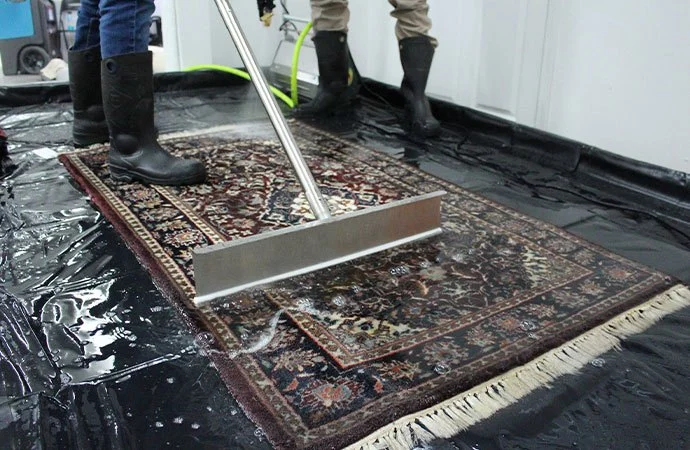
1. How to Dry Out Water-Damaged Rugs Quickly
Water damage can ruin rugs in a matter of hours, especially if not addressed quickly. Whether it’s caused by a spill, flooding, or plumbing issues, knowing how to dry out water-damaged rugs quickly is essential to preserving their quality and preventing mold growth. In this guide, we will walk you through the most effective techniques for drying out your rugs swiftly, as well as tips to prevent future water damage. This article will also introduce you to products and services available on Reliable Damage Hub that can help speed up the restoration process.
- Understanding Water Damage on Rugs
- Quick Drying Techniques for Water-Damaged Rugs
- Using Professional Equipment for Faster Drying
- Preventing Future Water Damage to Your Rugs
- Why Choose Reliable Damage Hub for Rug Restoration
2. Understanding Water Damage on Rugs
Water damage can affect rugs in a variety of ways, depending on the type of rug and how long it is exposed to moisture. If left untreated, water can cause permanent stains, warping, and even the growth of mold and mildew. Understanding how different types of water affect rugs is the first step in preventing further damage:
- Fresh Water: Spills from clean sources like spilled water or rainwater are the easiest to deal with and typically cause the least damage.
- Gray Water: Water from washing machines or dishwashers can carry detergents and bacteria, which can cause additional damage and health risks.
- Black Water: Water from sewage or flooding often contains harmful bacteria and contaminants, and it is crucial to address this type of damage quickly to avoid health hazards.
By understanding these types of water damage, you can take the necessary steps to effectively dry and clean your rug, reducing the risk of permanent damage.

Wizard Restorations Inc / puroclean of san fernando
Rancho CucamongaSan Bernardino CountyCalifornia
10245 8th St, Rancho Cucamonga, CA 91730, USA
3. Quick Drying Techniques for Water-Damaged Rugs
If your rug has been exposed to water, acting fast is essential to prevent long-term damage. Here are several quick drying techniques that can help restore your rug to its original state:
- Step 1: Remove Excess Water – The first step is to blot up as much water as possible using clean towels. Press down firmly to absorb the moisture, but avoid rubbing, which can damage the fibers.
- Step 2: Lift the Rug and Allow Airflow – Lift the rug off the floor and place it on a flat surface, preferably outdoors or in a well-ventilated area. The goal is to allow air to circulate freely on both sides of the rug to speed up the drying process.
- Step 3: Use Fans and Dehumidifiers – Place fans around the rug to encourage airflow. If possible, use a dehumidifier to reduce the moisture in the air, which helps prevent mold growth.
- Step 4: Dry the Back of the Rug – Don’t forget to dry the underside of the rug. Flip it over periodically to ensure that both sides are dried thoroughly.
By following these steps, you can significantly speed up the drying process and reduce the likelihood of permanent damage.
SERVPRO of Pompano Beach / servpro fort lauderdale south
Pompano BeachBroward CountyFlorida
2101 NW 33rd St #200a, Pompano Beach, FL 33069, USA
4. Using Professional Equipment for Faster Drying
If your rug is heavily water-damaged, you may want to consider using professional-grade equipment to expedite the drying process. Here are some options:
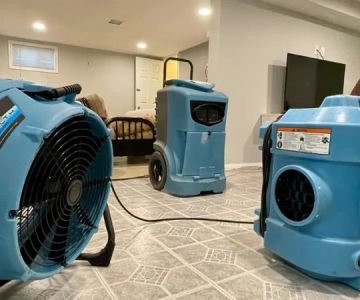
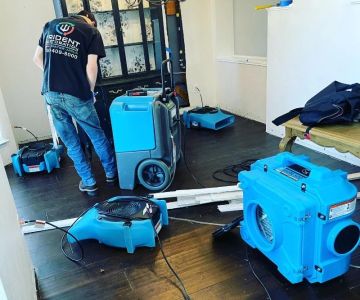
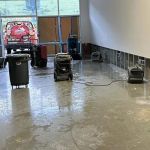
- High-Speed Air Movers: These powerful fans circulate air quickly and efficiently, which can significantly reduce drying time for large rugs.
- Industrial Dehumidifiers: Dehumidifiers designed for large spaces can help remove excess moisture from the rug and the surrounding air, preventing mold growth.
- Rug Cleaning Extractors: These devices are used by professionals to extract water from rugs, ensuring that they are thoroughly dried and cleaned.
If you don’t own these items, consider renting or hiring a professional restoration company. Using the right tools will reduce drying time and ensure that your rug is properly restored.
5. Preventing Future Water Damage to Your Rugs
Once you’ve dried your rug, it’s important to take steps to prevent future water damage. Here are some helpful tips:
- Use a Waterproof Rug Pad: A waterproof pad can provide an additional layer of protection against spills and moisture, helping to keep the rug dry.
- Place Rugs in Low-Risk Areas: Avoid placing rugs in high-risk areas, such as near windows, in basements, or in areas prone to spills.
- Regularly Clean and Maintain Your Rugs: Regular cleaning can prevent dirt and grime from breaking down the rug fibers, and a professional cleaning service can treat your rug to help protect it from water damage.
By taking these preventive measures, you can help ensure that your rugs remain in good condition and are less likely to suffer from water damage in the future.
6. Why Choose Reliable Damage Hub for Your Restoration Needs
If your rug has been water-damaged and you’re looking for reliable products or professional help, look no further than Reliable Damage Hub. We offer a range of high-quality products designed to help restore your rug, including water extractors, drying equipment, and cleaning solutions. Our experts can guide you through the restoration process and recommend the best services available for rug repair and care.
Visit Reliable Damage Hub today to explore our full range of products and services to restore and protect your rugs and carpets.
 Water5.0 (27 reviews)
 Rainbow Restoration of Owings Mills5.0 (74 reviews)
 Camelot Emergency Water Removal4.0 (129 reviews)
 Green Clean Carpet & Air Duct Cleaning Inc4.0 (480 reviews)
 AKME Waterproofing5.0 (107 reviews)
 Pure Maintenance of Texas5.0 (24 reviews)
 Best Practices for Preventing Water Damage in Your Home: Tips for Homeowners
 How to Prevent Water Damage to Your Home’s Exterior Walls: Effective Protection Tips
 The Link Between Water Damage and Long-Term Structural Issues
 Water Damage Restoration Tips for Homeowners
 How to Repair Water-Damaged Doors and Frames | Expert Advice
 Water Damage Restoration for Commercial Offices: Protecting Business Continuity