
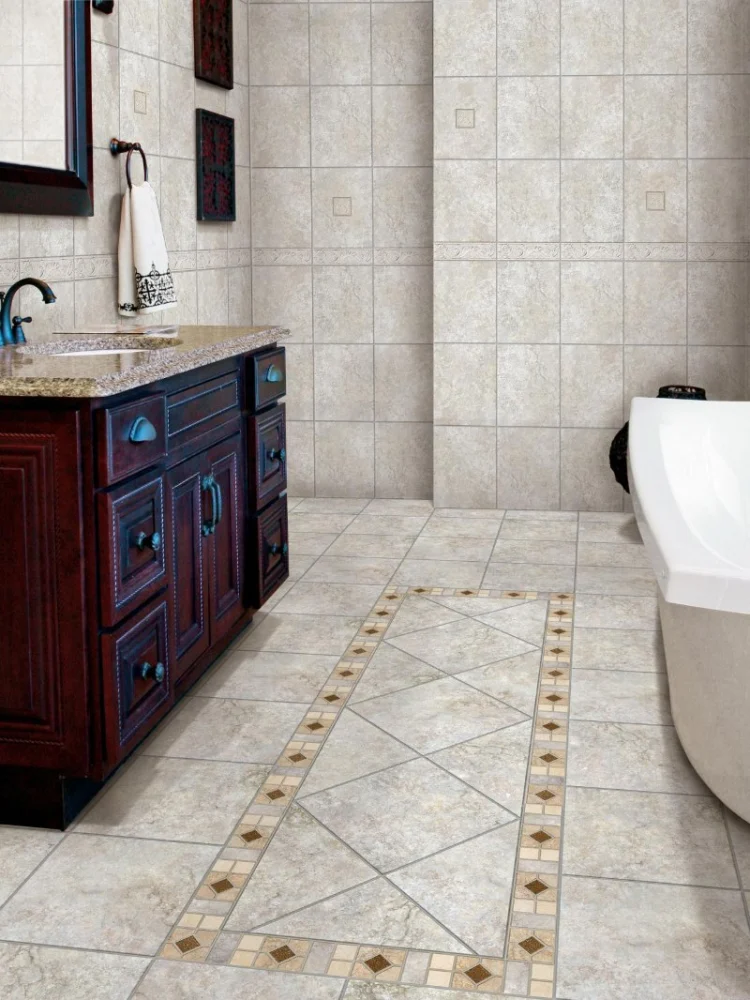
- 1. Understanding Water Damage in Bathrooms
- 2. Identifying Water Damage in Bathroom Flooring and Tiles
- 3. How to Repair Water-Damaged Bathroom Flooring
- 4. Tile Repair Options for Water-Damaged Bathrooms
- 5. Preventing Future Water Damage in Your Bathroom
- 6. Where to Find Reliable Water Damage Repair Services
1. Understanding Water Damage in Bathrooms
Bathrooms are naturally exposed to moisture, and over time, this can lead to significant water damage, especially if leaks or spills are not immediately addressed. Water damage in bathrooms typically affects the flooring and tiles, causing issues such as warping, discoloration, mold growth, and structural damage.
Water damage can be caused by a variety of factors, including leaky pipes, improper sealing, excess humidity, or damaged showerheads and faucets. Left untreated, water damage can compromise the integrity of the flooring and tiles, leading to costly repairs. Understanding the cause and identifying the signs of water damage early on is crucial for preventing further complications.

Wizard Restorations Inc / puroclean of san fernando
Rancho CucamongaSan Bernardino CountyCalifornia
10245 8th St, Rancho Cucamonga, CA 91730, USA
2. Identifying Water Damage in Bathroom Flooring and Tiles
Detecting water damage in your bathroom flooring and tiles can be tricky, especially if the damage is subtle. However, certain signs can help you pinpoint the issue:
Giants / dry kings restoration of san francisco
San FranciscoSan Francisco CountyCalifornia
685 Geary Blvd, San Francisco, CA 94102, USA
1. Warping and Bubbling
Water that seeps beneath the surface of flooring materials, such as vinyl, laminate, or wood, can cause the material to warp. If you notice that the floor feels uneven, or if there are bubbles or bulges, it’s a clear sign of water damage.
2. Discoloration
Dark stains or discoloration around the edges of tiles or flooring can indicate that water has been present for an extended period. Mold or mildew growth can also cause dark spots that spread quickly if not addressed.
3. Cracked or Loose Tiles
Water damage can weaken the adhesive used to secure tiles, causing them to loosen or crack. If you notice that tiles are shifting, or grout lines are cracking, this could be a sign that water has gotten underneath them, causing structural damage.
4. Mold and Mildew
Mold and mildew thrive in moist environments. If you spot black or green growth around your tiles, especially in corners or near the shower area, it’s likely that water has been accumulating behind or around the tiles, creating the perfect environment for mold.
3. How to Repair Water-Damaged Bathroom Flooring
Repairing water-damaged flooring in your bathroom can range from minor fixes to more extensive replacements, depending on the severity of the damage. Here’s how to handle different types of flooring:
1. Vinyl Flooring
If your vinyl flooring has become warped due to water damage, you may need to replace the affected area. Start by cutting out the damaged portion and installing new vinyl to match the existing flooring. For minor issues like bubbles, you can try using a hairdryer to dry out the moisture beneath the surface and then flatten the bubbles with a heavy object.
2. Laminate Flooring
Laminate flooring is particularly vulnerable to water damage because it can warp or swell when exposed to moisture. If only a small section is damaged, it may be possible to replace individual planks. For extensive damage, it’s best to replace the entire floor to prevent further complications.
3. Wood Flooring
Wood floors can suffer significant damage from water, leading to warping and staining. For minor issues, you can sand and refinish the damaged areas. However, if the water damage is severe, it may require replacing the affected boards. Be sure to address any moisture issues before reinstalling new wood to prevent future damage.
4. Tile Repair Options for Water-Damaged Bathrooms
When your bathroom tiles suffer from water damage, it’s important to repair them promptly to avoid further complications. Here are some common tile repair options:
1. Replacing Loose or Cracked Tiles
If you have loose or cracked tiles, you’ll need to carefully remove the damaged tiles and clean the area underneath. Once cleaned, apply new adhesive and press the new tiles into place. Make sure to fill any gaps with grout and allow it to cure before using the bathroom again.
2. Regrouting
If the grout between your tiles has deteriorated or is cracked, it can allow water to seep underneath the tiles. Remove the old grout using a grout saw, and then apply new grout. This will help create a more water-resistant seal and protect your tiles from further damage.
3. Waterproofing
In bathrooms, especially around the shower or bathtub, applying a waterproofing membrane before retiling can help prevent water from penetrating the floor or walls. This added layer of protection will ensure that your bathroom remains dry and free from water damage in the future.
5. Preventing Future Water Damage in Your Bathroom
Once you’ve repaired the water damage, it’s essential to take steps to prevent it from happening again. Here are a few tips for avoiding future issues:
1. Install Proper Seals
Ensure that your bathroom’s fixtures, such as the bathtub, sink, and shower, are properly sealed. Over time, seals can degrade, allowing water to seep into the floor and walls. Regularly check and replace seals to prevent water damage.
2. Improve Ventilation
Proper ventilation is key in keeping your bathroom dry. Install an exhaust fan and make sure it is functioning properly to reduce moisture levels. Open windows whenever possible to allow the bathroom to dry out more effectively after showers or baths.
3. Regularly Inspect Pipes
Leaking pipes are a common cause of water damage. Inspect the pipes in your bathroom regularly for any signs of leaks or corrosion, and repair them immediately if necessary.
6. Where to Find Reliable Water Damage Repair Services
If the water damage in your bathroom is extensive or you’re unsure how to handle repairs, it’s best to seek professional help. Reliable contractors can assess the damage and provide expert repair services to restore your bathroom’s flooring and tiles. If you need assistance, check out Reliable Damage Hub for expert advice and trusted professionals in water damage repair.
 PuroClean of Springfield4.0 (28 reviews)
 Puro's Cleaner - Mold Removal & Remediation Anaheim CA5.0 (2 reviews)
 SERVPRO of Panthersville4.0 (60 reviews)
 AJR Mold Solutions4.0 (10 reviews)
 GR8 paints renovations| paint•epoxy•remodels4.0 (39 reviews)
 ATLANTIC COAST BASEMENT WATERPROOFING INC.5.0 (119 reviews)
 How to Handle Water Damage From Basement Floods | Tips for Clean-up and Prevention
 How to Handle Water Damage from Washing Machines: Effective Solutions and Prevention
 Water Damage Restoration Tips for Homeowners
 Preventing Water Damage in Your Home’s Bathroom: Tips and Tricks
 Water Damage Restoration for Multi-Family Homes: A Comprehensive Guide
 Water Damage Restoration for Apartments and Condos – Complete Guide