
- 1. Understanding Water Damage in Flood-Prone Areas
- 2. Steps to Take Immediately After a Flood
- 3. Long-Term Water Damage Prevention
- 4. Water Damage Restoration Solutions
- 5. When to Call Professionals for Restoration
1. Understanding Water Damage in Flood-Prone Areas
Water damage is a serious concern for homes located in flood-prone areas. Whether it’s from a major flood event or continuous water seepage, water damage can compromise the structural integrity of your home, create mold issues, and affect the overall living environment. The key to mitigating water damage is understanding its causes and effects, especially if you live in an area prone to flooding.
Giants / dry kings restoration of san francisco
San FranciscoSan Francisco CountyCalifornia
685 Geary Blvd, San Francisco, CA 94102, USA
a. How Flooding Causes Damage
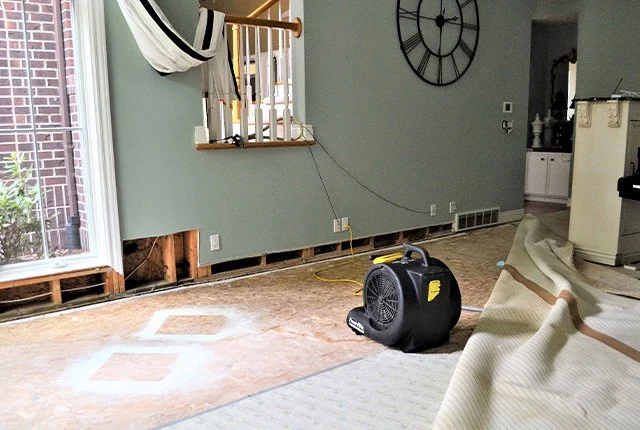
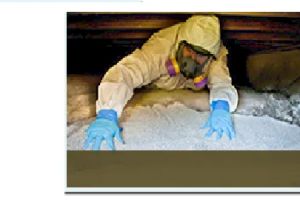
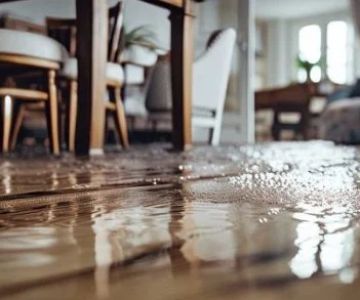
Flooding occurs when water exceeds its normal levels, submerging homes and buildings. This water can seep into the foundation, walls, and ceilings, leading to structural weakening. The longer the exposure to water, the more severe the damage. Over time, standing water can warp wood, rust metal, and break down insulation and drywall. The aftermath of flooding also includes hidden dangers, such as mold growth, which thrives in damp conditions.
SERVPRO of Pompano Beach / servpro fort lauderdale south
Pompano BeachBroward CountyFlorida
2101 NW 33rd St #200a, Pompano Beach, FL 33069, USA
b. The Importance of a Quick Response
The sooner you address water damage, the better the chances of minimizing long-term issues. Quick intervention helps prevent further damage to walls, floors, and belongings. It can also reduce the risk of mold growth, which can spread within 24–48 hours after a flood. Early intervention includes removing standing water, drying out damp areas, and checking for hidden moisture that could cause ongoing issues.
2. Steps to Take Immediately After a Flood
After a flood, taking immediate action is essential for minimizing damage. Here are the first steps you should take to ensure the best possible outcome for water damage restoration:
a. Ensure Safety First
Your safety is the most important priority. Ensure that the floodwaters have receded before entering the affected area. Never touch electrical appliances or outlets while standing in water, as this can lead to electrocution. Turn off the main electricity and gas supply to prevent further hazards.
b. Remove Standing Water
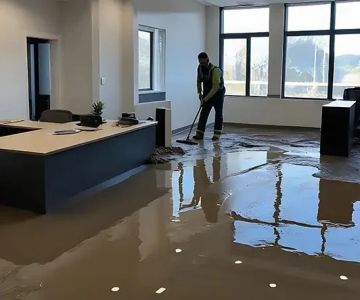
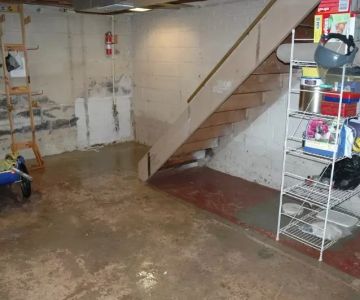
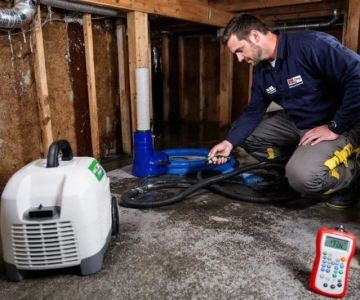
After ensuring it’s safe to enter, the next priority is to remove standing water. Use pumps, wet vacuums, or buckets to remove as much water as possible. If the floodwater is extensive, you may need professional equipment to efficiently extract the water. Removing standing water as quickly as possible prevents further damage to your floors, walls, and foundation.
c. Dry the Space
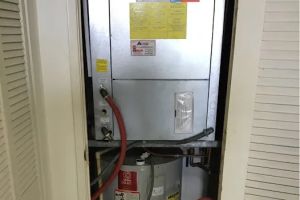
After water removal, drying out the space is crucial. Open windows, use fans, and employ dehumidifiers to reduce humidity and speed up the drying process. Focus on areas that are most prone to moisture retention, such as carpets, drywall, and insulation. The longer the moisture lingers, the more likely it is that mold will develop.
3. Long-Term Water Damage Prevention
Preventing future water damage is an essential part of protecting your home in flood-prone areas. Several measures can help safeguard your property and reduce the risk of future flooding:
a. Landscaping for Water Diversion
Proper landscaping can divert water away from your home’s foundation. Slope the ground around your home to encourage water runoff away from walls and windows. Installing gutters and downspouts will also help redirect rainwater away from your roof and foundation. Make sure these systems are regularly cleaned to avoid blockages.
b. Seal Foundation Cracks
Water can seep into your home through small cracks in the foundation. Inspect the foundation regularly and seal any cracks or gaps with a waterproof sealant. This simple step can go a long way in preventing water from entering your home during heavy rainfall or flooding.
c. Install Flood Barriers
For homes in high-risk flood zones, installing flood barriers around windows, doors, and basement entrances can help protect your home from rising floodwaters. These barriers can prevent water from entering and causing damage, giving you an additional layer of protection against flooding.
4. Water Damage Restoration Solutions
When water damage occurs, it’s essential to have the right restoration solutions in place. Water damage restoration involves a combination of cleanup, drying, repair, and rebuilding. Depending on the severity of the damage, here are some common restoration solutions:
a. Mold Removal
After floodwater has been removed, it’s crucial to check for mold growth, especially in damp areas like basements and attics. Mold can spread quickly, causing health problems and worsening water damage. Mold removal involves specialized cleaning techniques and products to ensure all traces of mold are removed from your home.
b. Structural Repair
Structural repair is often necessary when water has compromised the integrity of walls, floors, or ceilings. This may involve replacing damaged drywall, flooring, and insulation. In some cases, foundation repair may also be required to restore stability to your home. It’s important to hire professionals who are experienced in handling water-damaged structures.
c. Waterproofing Solutions
Once your home has been restored, consider implementing waterproofing solutions to prevent future damage. These may include the installation of sump pumps, sealing foundation cracks, and using water-resistant materials for floors and walls. Waterproofing will give you peace of mind knowing your home is better protected against future water intrusion.
5. When to Call Professionals for Restoration
While DIY methods can help with initial water removal, most cases of significant water damage require professional restoration services. If the damage is widespread, if mold is present, or if structural repairs are needed, it’s essential to call in experts who specialize in water damage restoration.
Professionals at companies like Reliable Damage Hub are trained to handle extensive water damage, ensuring that your home is restored to its pre-damage condition. They use specialized equipment to dry out areas efficiently, remove mold, and repair structural damage. If you live in a flood-prone area, having a trusted restoration service on hand can save you time, stress, and money in the long run.
 Sweet Home Drywall Solutions5.0 (25 reviews)
 PoBoy911 Roofing & Restoration4.0 (59 reviews)
 BELFOR Property Restoration3.0 (22 reviews)
 911 Restoration of Naples4.0 (23 reviews)
 Insurance Restoration Network, Inc.4.0 (13 reviews)
 Blue Lake Cleaning5.0 (292 reviews)
 Water Damage Repair for Garage Floors
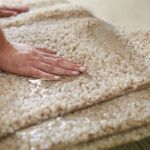 How to Restore Water-Damaged Rugs and Carpets
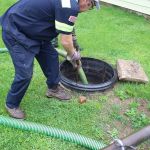 How to Handle Water Damage From Sewer Backups
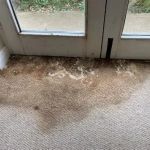 Effective Water Damage Repair for Carpets and Rugs - Expert Tips
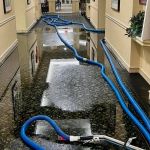 Water Damage Restoration: How Long Does the Process Take?
 Water Damage Repair for Soggy Carpets: Causes, Risks, and Solutions