
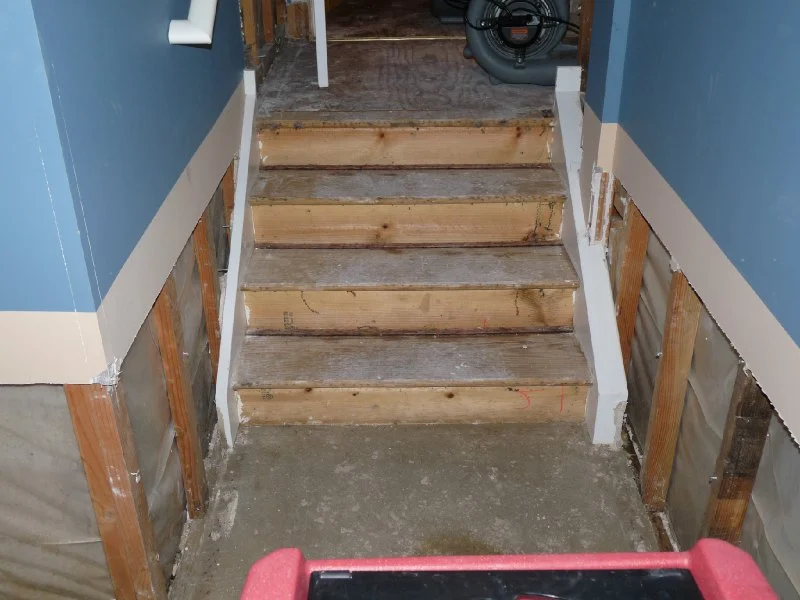
1. Understanding Water Damage on Hardwood Stairs
Water damage on hardwood stairs is a common issue, whether caused by leaks, flooding, or spills. Over time, water can weaken the structure of the wood, leading to discoloration, warping, or even rotting. The good news is that with the right approach, you can restore your hardwood stairs to their former glory.
In this guide, we’ll walk you through how to assess water damage, steps for repair, and tips on how to prevent further issues. Whether you’re dealing with a small stain or significant damage, understanding the proper techniques is crucial for effective restoration.
Kustom US Restoration / kustom restoration
1215 W Houston Ave Suite A, Gilbert, AZ 85233, USA
2. Common Causes of Water Damage on Hardwood Stairs
Before diving into repair methods, it's essential to understand what typically causes water damage to hardwood stairs. This will help you prevent future damage and address the issue properly.
SERVPRO of Pompano Beach / servpro of santa maria
Pompano BeachBroward CountyFlorida
2101 NW 33rd St #200a, Pompano Beach, FL 33069, USA
2.1. Leaky Roofs or Windows
Leaks from the roof or windows above your stairs can lead to water pooling on the steps, causing gradual damage over time. It's important to fix the source of the leak before starting any repair work on the stairs.
2.2. Spills and Accidents
Accidental spills, such as water or beverages, can also contribute to water damage if left unattended. Over time, these spills can soak into the wood and cause stains or warping.
2.3. Plumbing Leaks
Leaks from plumbing systems, especially those near or under the stairs, can cause significant water damage. Even small, undetected leaks can lead to rot or mold growth, making early detection crucial.
3. Assessing the Extent of Water Damage
Before you begin repairing your hardwood stairs, you must assess the extent of the damage. Here’s how you can do it:
3.1. Check for Warping or Cupping
Examine the wood for any signs of warping or cupping. If the stairs are bulging or if the edges of the planks have raised, it's an indication that the wood has absorbed water and expanded. Mild warping may be reversible with the right treatment, but severe cases may require replacing the damaged steps.
3.2. Look for Stains and Discoloration
Water stains are often the first sign of water damage. These may appear as dark spots or lighter patches on the surface of the wood. While stains can sometimes be cleaned, they may also require refinishing to restore the wood’s natural appearance.
3.3. Check for Softness or Rot
If the stairs feel soft or spongy when pressed, the wood may have started to rot. In such cases, you will need to replace the damaged sections of the wood to prevent further deterioration and potential structural issues.
4. DIY Water Damage Repair for Hardwood Stairs
If the water damage on your hardwood stairs is minimal, you might be able to repair it yourself. Here’s a step-by-step guide for DIY repair:
4.1. Dry the Area Thoroughly
Before starting any repairs, ensure that the area is completely dry. Use fans or dehumidifiers to help eliminate any moisture trapped in the wood. It’s essential to remove as much moisture as possible to prevent mold or mildew growth.
4.2. Sand the Stained or Warped Areas
If the damage is limited to staining or minor warping, you can use sandpaper to smooth out the affected areas. Begin with a coarse grit sandpaper and gradually move to finer grits to restore the wood’s smooth surface.
4.3. Refinish the Wood
Once the damaged areas are sanded, you’ll need to refinish the stairs. Apply a coat of stain or finish to match the rest of your flooring. Be sure to use a water-resistant finish to prevent future damage.
4.4. Fix Minor Cupping with Weight
If you have minor cupping in your hardwood stairs, you can try to flatten them by placing a heavy weight on the affected areas. Place plastic sheeting over the cupped areas and weigh them down for several days. This can help to reverse some of the warping.
5. When to Call a Professional for Water Damage Repair
In cases of severe water damage, it’s best to call a professional. Here are signs that indicate professional intervention is necessary:
5.1. Extensive Damage
If the water damage has affected a large area of your hardwood stairs or if you notice significant structural issues, such as soft spots or rotting, it’s best to hire a professional. They will have the tools and expertise to handle the job safely and effectively.
5.2. Mold Growth
If mold or mildew is present, it’s essential to hire a professional to address the issue. Mold can be hazardous to your health, and professionals can safely remove it while preventing further spread.
5.3. No Experience with Wood Restoration
If you’re unsure about how to restore the wood properly, it’s always a good idea to consult a professional. They can restore the integrity of the wood and prevent any further damage.
6. Preventing Future Water Damage to Hardwood Stairs
While it’s essential to know how to repair water damage on hardwood stairs, prevention is key. Here are a few tips to keep your stairs safe:
6.1. Install a Waterproof Barrier
If your stairs are located near areas that are prone to moisture (such as basements or bathrooms), consider installing a waterproof barrier. This can help prevent water from seeping into the wood and causing damage.
6.2. Regularly Inspect for Leaks
Regularly inspect your home for leaks in plumbing, roofing, or windows. Early detection of leaks can prevent water from damaging your hardwood stairs in the first place.
6.3. Use a Humidifier in High-Humidity Areas
In areas with high humidity, such as basements, consider using a dehumidifier to maintain optimal moisture levels. This will help protect your hardwood floors and stairs from warping due to excess moisture.
7. Conclusion: Keeping Your Hardwood Stairs in Top Condition
Water damage on hardwood stairs can be a serious issue, but with the right approach, you can restore your stairs and protect them from future harm. Whether you're taking the DIY route or calling in a professional, knowing how to repair and prevent water damage is key to maintaining the beauty and structure of your hardwood stairs for years to come.
If you're in need of quality materials or professional services, check out Reliable Damage Hub for the best products and expert advice to ensure your home stays safe and damage-free.
 Ohio Basement Authority4.0 (3001 reviews)
 ProDry Restoration Inc.4.0 (92 reviews)
 Blaze Restoration4.0 (58 reviews)
 SERVPRO of Alexander, Caldwell, Burke and Catawba Counties4.0 (457 reviews)
 A2Z Restoration5.0 (34 reviews)
 Skilled Aromas Water Damage Restoration Services5.0 (5 reviews)
 What Are the Key Signs of Water Damage in Your Home? Early Detection Tips
 How to Handle Basement Flooding: Step-by-Step Guide
 Water Damage Repair for Carpets and Rugs: Effective Solutions to Restore Your Home
 How to Handle Water Damage from Washing Machines: Effective Solutions and Prevention
 DIY Water Damage Repair: When to Tackle It Yourself and When to Call Professionals
 How to Restore Water-Damaged Rugs and Carpets