
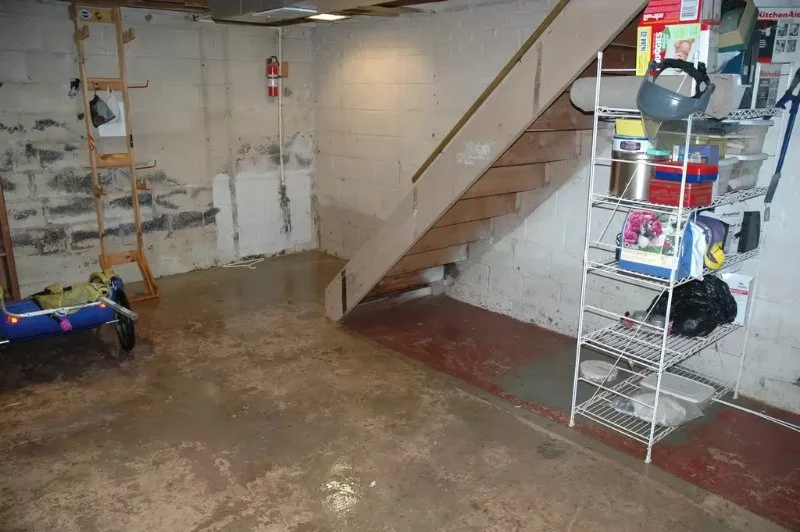
- 1. Understanding Basement Flooding and Its Causes
- 2. Initial Steps to Take After Basement Flooding
- 3. How to Repair Water Damage From Basement Flooding
- 4. Moisture Control and Prevention in the Basement
- 5. Long-Term Solutions and Ongoing Maintenance
1. Understanding Basement Flooding and Its Causes
Basement flooding is a common issue faced by homeowners, especially in areas prone to heavy rainfall or snowmelt. It can result in significant damage, not only to the structure of your home but also to your belongings, flooring, and personal items stored in the basement. The main causes of basement flooding include:
- Heavy rainfall: Excessive rain can overwhelm drainage systems and cause water to seep into the basement.
- Plumbing issues: Burst pipes or water leaks from the plumbing system can lead to localized flooding in the basement.
- Groundwater: High groundwater levels, especially during seasonal changes, can push water through the foundation walls or floor.
- Clogged gutters and downspouts: If gutters are clogged, rainwater may not drain away from the house, leading to water buildup around the foundation.
Understanding these causes is essential for taking the appropriate steps to repair water damage and prevent future flooding in the basement. Once the flooding has occurred, prompt action is necessary to minimize the long-term impact on the structural integrity of your home and indoor air quality.

Wizard Restorations Inc / puroclean of san fernando
Rancho CucamongaSan Bernardino CountyCalifornia
10245 8th St, Rancho Cucamonga, CA 91730, USA
2. Initial Steps to Take After Basement Flooding
When you discover that your basement has flooded, it’s crucial to act quickly to reduce the damage. Here are the initial steps you should take:
- Ensure safety: Before anything, make sure the power is turned off to avoid electrical hazards. Do not walk in standing water if you suspect electrical appliances or outlets could be exposed to water.
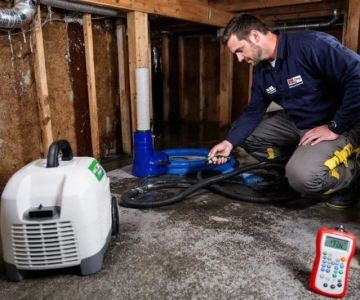
- Remove water: Use a sump pump or a wet vacuum to remove as much water as possible from the basement. The sooner you remove the water, the less damage it can cause.
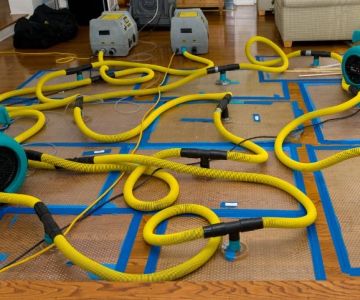
- Ventilate the area: Open windows and doors (if possible) to help with air circulation and reduce humidity. Using fans or a dehumidifier will also aid in drying out the space.
- Remove damaged items: Take out any wet furniture, personal items, or carpeting that cannot be salvaged. These items can harbor mold and mildew, further complicating the damage.
At this stage, the priority is to minimize damage and prevent further issues, such as mold growth or wood rot. Once the immediate floodwaters are removed, you can begin the process of repairing the damage.

Kustom US Restoration / kustom restoration
1215 W Houston Ave Suite A, Gilbert, AZ 85233, USA
3. How to Repair Water Damage From Basement Flooding
Repairing water damage from basement flooding requires a systematic approach. The damage to your basement may vary depending on the extent of the flooding, but generally, the steps involved include:
- Inspect for structural damage: Check the foundation walls, floors, and ceiling for cracks, warping, or signs of shifting. Small cracks can be sealed with waterproof sealant, but larger structural issues may require professional assistance.
- Dry out the space: Ensure that the basement is completely dry before beginning repairs. This can take several days depending on the size of the area and the humidity levels. Using a high-capacity dehumidifier can help speed up the drying process.
- Clean and disinfect: Water damage can introduce bacteria and mold, which must be dealt with immediately. Clean all affected surfaces with a disinfectant and mold-killing solution to prevent further contamination.
- Repair flooring: If carpets or hardwood floors have been damaged, they may need to be replaced. For more severe cases, such as with laminate or vinyl flooring, replacement is often necessary as water can seep underneath and cause long-term damage.
- Address mold and mildew: After the space is dry, inspect for any signs of mold or mildew. These must be removed, as mold can cause health issues and further damage. Consider using a mold remediation professional if the infestation is extensive.
Depending on the extent of the water damage, you may need to call in professionals, especially for significant structural or electrical repairs. However, smaller jobs, such as patching up cracks or replacing flooring, can be handled by most homeowners with the right tools and materials.
4. Moisture Control and Prevention in the Basement
After repairing the immediate water damage, the next step is to implement moisture control strategies to prevent future flooding. The basement is naturally prone to moisture due to its location below ground level, so it’s essential to maintain a dry environment. Consider these moisture control measures:
- Install a sump pump: A sump pump can help keep your basement dry by automatically pumping out excess water that might accumulate during heavy rainstorms.
- Improve drainage: Ensure that gutters and downspouts are clear and direct water away from the foundation. Adding French drains around the exterior of your home can further help redirect water.
- Seal foundation cracks: Apply a waterproof sealant to the foundation walls to prevent groundwater from seeping in. This is particularly important if your basement walls are made of concrete, which can be porous over time.
- Insulate pipes: Cold water pipes in the basement can sweat, contributing to moisture problems. Insulating these pipes helps prevent condensation.
These steps are critical in ensuring that your basement remains dry and that the potential for future flooding is minimized. Consistent moisture control will also help protect your home from the long-term effects of water damage.
5. Long-Term Solutions and Ongoing Maintenance
Preventing future flooding and water damage is key to maintaining a healthy and dry basement. Here are some long-term solutions to consider:
- Regular inspection: Conduct regular inspections of your basement and home foundation. Look for signs of moisture, cracks, or deterioration. Early detection can prevent larger issues from developing.
- Upgrade waterproofing systems: If your basement frequently floods, you may need to invest in a more robust waterproofing system, such as exterior waterproof coatings or a professional-grade sump pump.
- Maintain landscaping: Keep landscaping features, like flower beds and mulch, away from your foundation. Sloped landscaping can also help direct water away from your home.
Maintaining a dry basement requires continuous effort. However, with the right preventive measures in place, you can protect your home from future flooding and the associated damage. For expert advice and high-quality materials to help with water damage repairs, visit Reliable Damage Hub, where you can find the best solutions for your home improvement needs.
 Express Plastering LLC4.0 (15 reviews)
 Creative Carpet Care & Restoration5.0 (183 reviews)
 Sole Source4.0 (22 reviews)
 Erica's Plumbing, Air Conditioning & Restoration4.0 (247 reviews)
 911 Restoration of Jacksonville4.0 (20 reviews)
 Five Star Painting of Dothan4.0 (110 reviews)
 How to Prevent Water Damage in Your Home’s Crawl Space and Basement
 Water Damage Repair for Attics and Roof Spaces: Essential Tips for Prevention
 DIY Water Damage Repair: When to Tackle It Yourself and When to Call Professionals
 How to Handle Water Damage From Burst Water Heaters: Tips and Solutions
 Water Damage Repair for Drywall and Plaster
 The Ultimate Guide to Water Damage Restoration After a Flood