
- -Understanding Water Damage Restoration
- -Safety Precautions to Take Before Starting Restoration
- -Common Hazards in Water Damage Restoration
- -How to Protect Yourself During Water Damage Restoration
- -The Importance of Professional Water Damage Restoration Services
1. Understanding Water Damage Restoration
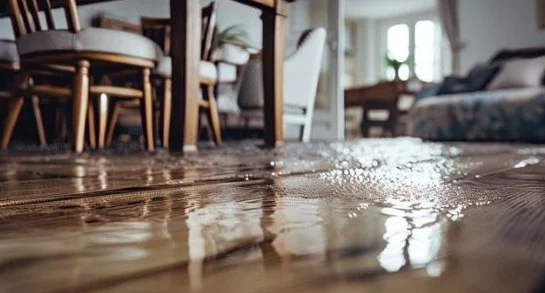
Water damage restoration is the process of cleaning up and repairing the damage caused by water infiltration. Whether it’s from flooding, leaks, or burst pipes, water damage can have a significant impact on your property and pose serious health risks. Restoration involves removing excess water, drying out affected areas, and addressing any structural or mold issues.
While it’s essential to begin the restoration process promptly to prevent further damage, it’s equally important to follow safety guidelines to ensure the safety of those involved. Understanding the potential hazards of water damage and the necessary precautions is key to a successful restoration and avoiding additional risks.
SERVPRO of Pompano Beach / servpro fort lauderdale south
Pompano BeachBroward CountyFlorida
2101 NW 33rd St #200a, Pompano Beach, FL 33069, USA
2. Safety Precautions to Take Before Starting Restoration
Before beginning any water damage restoration, it’s crucial to take certain safety steps to protect yourself and others in the area. Here are some of the essential precautions to follow:

Wizard Restorations Inc / puroclean of san fernando
Rancho CucamongaSan Bernardino CountyCalifornia
10245 8th St, Rancho Cucamonga, CA 91730, USA
1. Turn Off the Electricity
Water and electricity are a dangerous combination. If water has entered the home, the first thing you should do is turn off the electricity to avoid the risk of electrical shock. Make sure you do this before entering any areas that have standing water.
2. Wear Protective Gear
Water damage often involves contaminated water, especially if it comes from sewage or flooding. Wearing proper protective gear is essential. This includes rubber gloves, waterproof boots, and protective eyewear. Additionally, wearing a mask can help avoid inhaling harmful mold spores or bacteria in the air.
3. Assess Structural Integrity
Before you begin cleaning up, check the structural integrity of your home. Water can weaken walls, ceilings, and floors, potentially causing them to collapse. Be cautious when moving around these areas, and avoid any spaces that appear unstable. If the damage is significant, it’s best to call a professional to assess the safety of the property.
3. Common Hazards in Water Damage Restoration
Water damage restoration involves a number of hazards that can pose serious risks to your health and safety if not properly addressed. Some of the most common hazards include:
1. Mold Growth
Mold thrives in damp, water-damaged environments. Mold can cause a range of health problems, including respiratory issues and allergic reactions. Once mold starts growing, it can spread quickly, making it more difficult to remove. If mold is present, it’s important to handle it carefully and consider professional remediation.
2. Structural Damage
As mentioned earlier, water can weaken the structure of a building, causing floors to sag, ceilings to collapse, or walls to become unstable. These risks increase if the water has been present for an extended period. Always be cautious when walking through affected areas to avoid accidents.
3. Contaminated Water
Flood water, especially from sewage backups or natural disasters, can be heavily contaminated with harmful bacteria and pathogens. Direct contact with contaminated water can lead to serious illnesses, so it’s vital to wear the proper protective equipment and avoid touching the water without protection.
4. How to Protect Yourself During Water Damage Restoration
Protecting yourself during the water damage restoration process is essential for both your safety and the effectiveness of the restoration. Here are a few tips to help ensure a safer recovery process:
1. Use Proper Drying Equipment
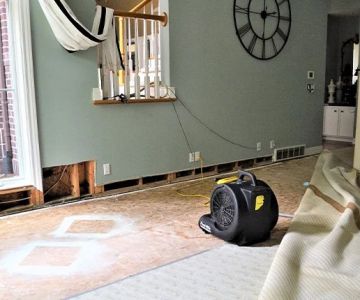
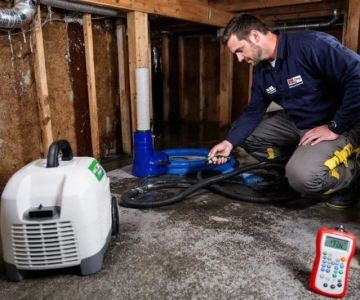
When removing water, using proper drying equipment such as dehumidifiers and industrial-strength fans is crucial. These tools help to dry out moisture efficiently, preventing the growth of mold and reducing the risk of further damage. Ensure the equipment is set up correctly to avoid any electrical hazards.
2. Ventilate the Area
Good ventilation is important when dealing with water damage. Open windows and doors to allow fresh air to circulate and dry out the affected areas. This helps to reduce humidity levels, which can prevent mold and mildew growth.
3. Never Work Alone
Water damage restoration can be a challenging and dangerous task, so it’s important to have help. Whether you are dealing with contaminated water or structural damage, having a second set of hands ensures that you can move safely and efficiently. Plus, a partner can help spot hazards that you might miss.
5. The Importance of Professional Water Damage Restoration Services
While DIY water damage restoration can be tempting, it’s important to understand that it’s not always the safest or most effective option. If the damage is extensive or if you are dealing with hazardous water, it’s best to call in professional water damage restoration services.
Professionals have the necessary training, equipment, and experience to handle water damage safely and efficiently. They can assess the situation, remove water, dry out the property, and mitigate the risk of mold growth and other complications. Additionally, professionals can work with insurance companies to ensure that you receive the proper coverage for the restoration.
For the best advice and resources on water damage restoration, visit us at Reliable Damage Hub to find the products and services you need to recover safely and effectively.
 BELFOR Property Restoration5.0 (6 reviews)
 PuroClean of Wellington5.0 (23 reviews)
 True Home LLC5.0 (47 reviews)
 Maillarde Water Damage5.0 (1 reviews)
 Gulf Coast Solutions0.0 (0 reviews)
 24/7 WATER DAMAGE AND RESTORATION, LLC5.0 (4 reviews)
 Water Damage Restoration for High-Rise Buildings: Key Insights & Solutions
 Water Damage Repair for Carpets and Rugs: How to Fix and Restore
 How to Clean and Restore a Water-Damaged Bathroom: Step-by-Step Guide
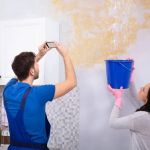 Can I Repair Water Damage Myself? Here’s What You Should Know
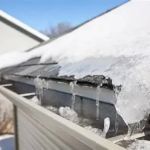 How to Deal With Water Damage From Roof Ice Dams: Prevention and Repair Tips
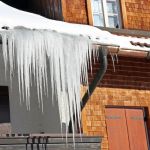 How to Prevent Water Damage From Ice Dams: Effective Winter Strategies