
How to Handle Water Damage from Washing Machines: Effective Solutions and Prevention
- 1. Understanding the Causes of Washing Machine Water Damage
- 2. How to Identify Water Damage from Your Washing Machine
- 3. Steps to Prevent Future Washing Machine Leaks
- 4. How to Handle Water Damage from a Washing Machine Leak
- 5. When to Call for Professional Help
1. Understanding the Causes of Washing Machine Water Damage
Water damage caused by washing machines is a common household issue, but it often goes unnoticed until significant damage has already occurred. The causes of washing machine leaks can range from simple issues like a worn-out hose to more complex mechanical problems like a broken pump. Understanding the potential causes of water damage can help homeowners take preventive measures and address any issues before they escalate.
SERVPRO of Pompano Beach / servpro fort lauderdale south
Pompano BeachBroward CountyFlorida
2101 NW 33rd St #200a, Pompano Beach, FL 33069, USA
Common Causes of Washing Machine Leaks
- Worn-out hoses: Rubber hoses deteriorate over time, especially when exposed to hot water. Cracks or holes in hoses can lead to leaks.
- Clogged drain filters: A clogged filter can lead to poor drainage, causing water to overflow.
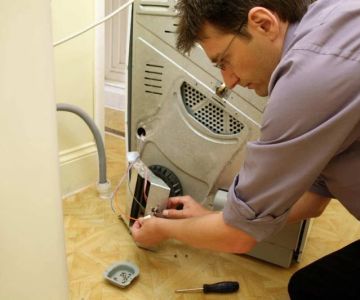
- Faulty water pumps: If the water pump breaks or malfunctions, it may fail to drain water properly, causing leaks.
- Incorrect installation: If the washing machine isn't properly installed, it can lead to water drainage issues or leaks.
2. How to Identify Water Damage from Your Washing Machine
Water damage can happen quickly, and if left unchecked, it can lead to structural issues in your home. Here are some signs that your washing machine may be causing water damage:
Giants / dry kings restoration of san francisco
San FranciscoSan Francisco CountyCalifornia
685 Geary Blvd, San Francisco, CA 94102, USA
Visible Leaks
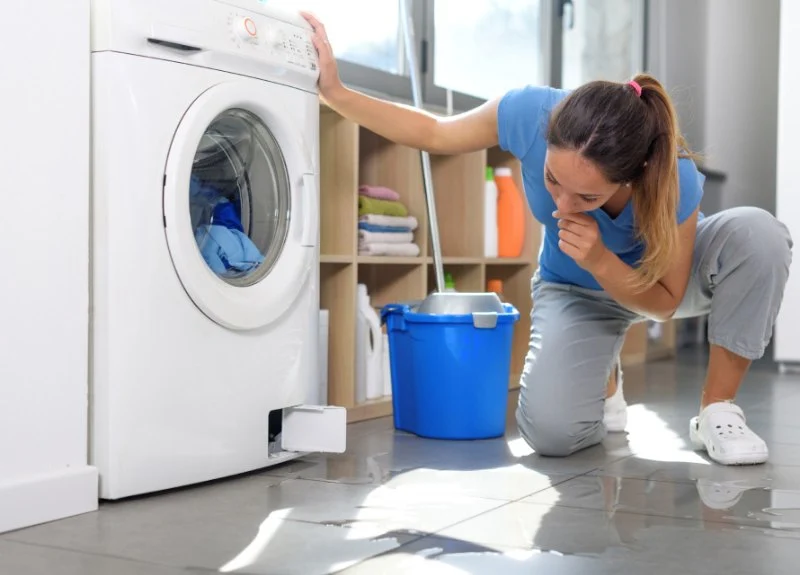
If you notice water pooling around the washing machine, it’s a clear sign that a leak is happening. Check the hoses and connections for any visible cracks or leaks.
Water Stains on Walls or Ceilings
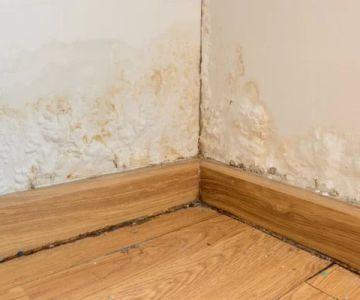
Water stains on nearby walls or ceilings can indicate that water has been spilling from the washing machine, especially if it's located on an upper floor.
Musty Odors
Persistent musty odors in your laundry room or surrounding areas can indicate mold growth caused by water damage. This often happens if water leaks go unnoticed for a period of time.
3. Steps to Prevent Future Washing Machine Leaks
Preventing water damage from washing machines requires regular maintenance and inspections. Here are some steps you can take to reduce the risk:
Regularly Inspect Hoses and Connections
Check the hoses for cracks or leaks every six months, and replace them if needed. Consider upgrading to braided stainless steel hoses, which are more durable and less prone to leaks.
Clean the Drain Filter
Regularly clean the drain filter to prevent clogging. This will ensure that water drains efficiently and doesn’t back up or overflow.
Proper Installation
Ensure your washing machine is level and correctly installed. This can help prevent leaks caused by improper drainage or an unbalanced machine.
4. How to Handle Water Damage from a Washing Machine Leak
If your washing machine has caused water damage, here’s what you should do to minimize the damage and begin the cleanup process:
Step 1: Turn Off the Water Supply
The first step is to turn off the water supply to the washing machine to stop the flow of water. If necessary, disconnect the hose from the machine and drain the water manually to prevent further damage.
Step 2: Remove Water
Use a wet/dry vacuum or towels to remove any standing water around the machine. The faster you act, the less likely it is that the water will seep into the floor or walls.
Step 3: Dry the Area
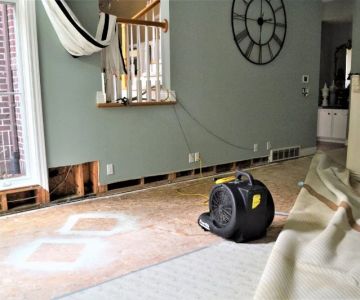
Once the standing water is removed, use fans and dehumidifiers to dry the area thoroughly. Pay special attention to corners and hidden spaces where moisture can accumulate.
Step 4: Inspect for Mold or Mildew
After the area has dried, check for signs of mold or mildew. If you spot any, clean the affected areas with a mixture of water and vinegar or use a commercial mold remover to eliminate the problem.
5. When to Call for Professional Help
Sometimes, water damage from washing machines can be extensive, and it’s best to call in the professionals. Here are some signs that you should seek expert assistance:
Structural Damage
If the water has seeped into the floors, walls, or ceiling, it can cause long-term structural damage. A professional restoration company can assess the situation and take the necessary steps to repair the damage.
Persistent Water Damage
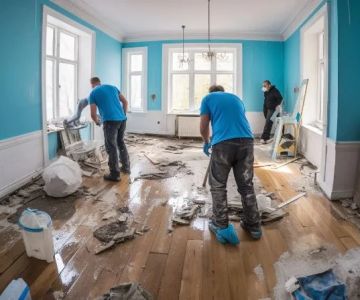
If the water damage has led to persistent issues like mold or mildew, or if the source of the leak is not easily fixable, it’s time to call for help. Professional water damage restoration companies have the tools and expertise to handle complex situations.
For help with water damage or to find the best services for your needs, visit Reliable Damage Hub.
 Good Roads Water Damage Experts5.0 (1 reviews)
 R&R Foundation Specialist4.0 (305 reviews)
 MJ White4.0 (102 reviews)
 ATI Restoration3.0 (25 reviews)
 Modernistic4.0 (251 reviews)
 ServiceMaster Cleaning Services4.0 (27 reviews)
 Water Damage Restoration for Retail Spaces – Expert Tips and Real Cases
 How to Prevent and Repair Water Damage in Commercial Properties
 How to Protect Your Home’s Electrical System from Water Damage: Essential Tips
 Flooded Basement? Here’s How to Restore It Safely
 How to Handle Water Damage After a Storm: A Step-by-Step Guide
 How to Handle Water Damage from Burst Pipes: A Step-by-Step Guide