
How to Handle Water Damage From Basement Floods
Basement flooding can be one of the most stressful situations a homeowner faces. Water damage from a basement flood not only threatens the structural integrity of your home, but it can also lead to mold, mildew, and long-term damage if not addressed properly. In this article, we’ll guide you through the steps to handle water damage caused by basement flooding, ensuring a safe and efficient cleanup process.
- 1. Immediate Action After a Basement Flood
- 2. Assessing the Damage
- 3. Water Removal Techniques
- 4. The Drying Process
- 5. Preventing Future Basement Floods
1. Immediate Action After a Basement Flood
When you discover that your basement has flooded, it's important to take immediate action to minimize damage. Here’s what you should do:

Wizard Restorations Inc / puroclean of san fernando
Rancho CucamongaSan Bernardino CountyCalifornia
10245 8th St, Rancho Cucamonga, CA 91730, USA
Ensure Safety First
If the floodwater is high enough, avoid entering the basement until you’ve ensured there are no electrical hazards. Shut off the power to your home if necessary, and wear rubber boots to avoid contact with contaminated water.

Kustom US Restoration / kustom restoration
1215 W Houston Ave Suite A, Gilbert, AZ 85233, USA
Stop the Water Source
If the flooding is caused by an external source (e.g., a burst pipe or severe rainfall), locate and stop the water flow immediately. This will help prevent the damage from worsening.
Move Valuables and Furniture
Move any valuable items, furniture, or electronics to a higher, dry location to protect them from water damage. The quicker you do this, the better the chance of saving your belongings.
2. Assessing the Damage
Once you have ensured safety, it’s time to assess the extent of the damage. Understanding the full scope will help you plan the cleanup process effectively.
Check for Structural Damage
Examine the walls, floors, and foundation for signs of water penetration, cracking, or weakening. If you notice significant damage, it may be best to consult a professional to ensure the structural integrity of your home remains intact.
Inspect for Mold Growth
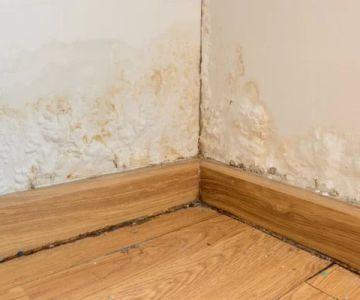
Water damage, especially in basements, creates the perfect breeding ground for mold. Check for any signs of mold or mildew, especially in corners, under carpets, or inside insulation. Mold can start to grow within 24-48 hours after the flood, so quick action is crucial.
Evaluate the Condition of Belongings
Determine if furniture, carpets, or personal items can be salvaged. Items that cannot be cleaned or dried thoroughly should be discarded to prevent the spread of contaminants.
3. Water Removal Techniques
Now that you’ve assessed the damage, it’s time to remove the water. Here are effective techniques for water removal:
Use a Wet/Dry Vacuum
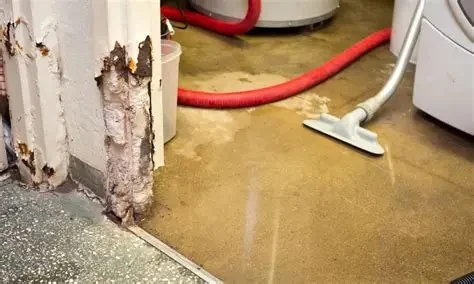
A wet/dry vacuum is one of the best tools to remove standing water from your basement. Start with the areas that have the deepest water and work your way around the room.
Rent a Sump Pump
If there’s a significant amount of water, consider renting a sump pump to efficiently drain the basement. The pump will remove water quickly and help minimize further damage.
Call a Professional
If the water level is too high or the flooding is severe, you may need to call a water damage restoration company. These experts have the equipment and experience to handle large-scale water removal and mitigate any risks to your home.
4. The Drying Process
After removing the water, the next critical step is drying the basement thoroughly to prevent mold and mildew growth. Here’s how to proceed:
Use Dehumidifiers
Place dehumidifiers throughout the basement to help remove moisture from the air and walls. This will speed up the drying process and reduce the likelihood of mold growth.
Increase Air Circulation
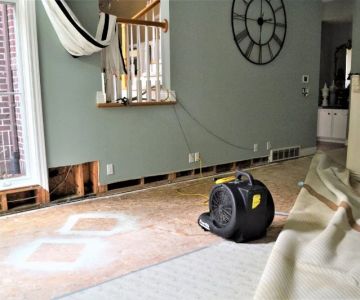
Open windows and use fans to improve air circulation in the basement. The more air movement you create, the faster the area will dry. You can also use industrial-grade fans to enhance airflow.
Remove Wet Materials
Remove any wet materials, such as carpets, padding, and insulation, that can trap moisture. These items should be dried or replaced, as they can harbor mold and bacteria.
5. Preventing Future Basement Floods
To avoid future water damage from basement floods, follow these prevention tips:
Maintain Your Gutters and Downspouts
Ensure your gutters are free from debris and that downspouts direct water away from your foundation. Clogged gutters can cause water to pool near the basement, increasing the risk of flooding.
Seal Cracks in the Foundation
Inspect your basement walls and foundation for any cracks and seal them to prevent water seepage during heavy rainfall or snowmelt.
Install a Sump Pump
Install a sump pump to remove any water that collects in your basement. This can be especially helpful in areas prone to flooding.
Improve Exterior Drainage
Ensure that your yard slopes away from the house to prevent water from collecting near the foundation. Proper landscaping can direct water away from your basement.
Handling water damage from basement floods can be overwhelming, but by taking the right steps, you can minimize damage and prevent long-term issues. If you're looking for expert advice or need reliable restoration services, visit Reliable Damage Hub for more resources and support.

 Good Roads Water Damage Experts5.0 (1 reviews)
 R&R Foundation Specialist4.0 (305 reviews)
 MJ White4.0 (102 reviews)
 ATI Restoration3.0 (25 reviews)
 Modernistic4.0 (251 reviews)
 ServiceMaster Cleaning Services4.0 (27 reviews)
 Water Damage Restoration for Retail Spaces – Expert Tips and Real Cases
 How to Prevent and Repair Water Damage in Commercial Properties
 How to Protect Your Home’s Electrical System from Water Damage: Essential Tips
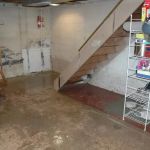 Flooded Basement? Here’s How to Restore It Safely
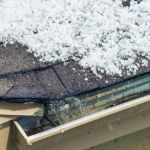 How to Handle Water Damage After a Storm: A Step-by-Step Guide
 How to Handle Water Damage from Burst Pipes: A Step-by-Step Guide