
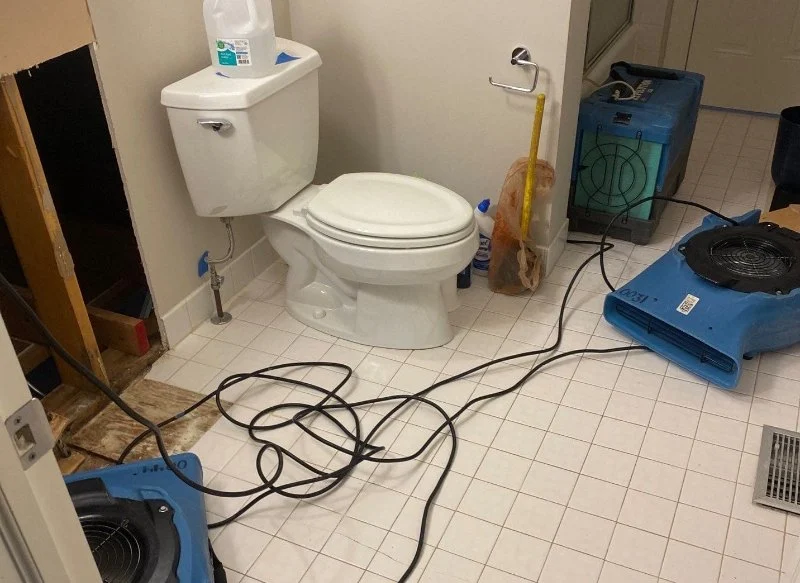
How to Handle Water Damage From Broken Toilets
- Why Broken Toilets Cause Water Damage
- Initial Steps to Take After a Toilet Breaks
- How to Repair Water Damage From a Broken Toilet
- Preventing Water Damage from Toilets
- Real-Life Examples of Water Damage From Toilets
Water damage from broken toilets is a common yet frustrating issue that can cause significant damage to your home. Whether due to a malfunctioning flush valve, a cracked tank, or a leaking seal, broken toilets can quickly lead to water flooding your bathroom and possibly damaging the floors, walls, and even other areas of your home. In this article, we will explore how to handle water damage from broken toilets, including immediate actions, repair tips, and preventive measures.

Kustom US Restoration / kustom restoration
1215 W Houston Ave Suite A, Gilbert, AZ 85233, USA
1. Why Broken Toilets Cause Water Damage
Toilets are a crucial part of your plumbing system, and when they break, they can cause water damage in several ways:
- Leaking Pipes: If the water supply line to your toilet breaks or becomes loose, it can cause water to leak onto the floor. Over time, even a small leak can cause significant damage to the surrounding floor and walls.
- Cracked Tank or Bowl: A cracked toilet tank or bowl can lead to water spilling out onto the floor. This water can seep into the surrounding materials, causing rot and mold growth.
- Overflowing Toilet: Clogs in the toilet can cause the water to overflow, flooding the bathroom floor. This is especially common when the toilet is blocked with debris, causing water to rise above the bowl and spill out.
When water is involved, the damage can spread quickly, affecting not only the bathroom but also nearby rooms, creating long-term issues that are difficult to repair.

Wizard Restorations Inc / puroclean of san fernando
Rancho CucamongaSan Bernardino CountyCalifornia
10245 8th St, Rancho Cucamonga, CA 91730, USA
2. Initial Steps to Take After a Toilet Breaks
If your toilet breaks and causes water damage, it's essential to act quickly. Follow these initial steps to prevent further damage:
- Shut off the Water Supply: The first thing you should do is turn off the water supply to the toilet. Locate the shut-off valve behind the toilet and turn it clockwise to stop the water from flowing. This will prevent the leak or overflow from continuing and minimize the damage.
- Remove Standing Water: If water has already spilled onto the floor, use towels, mops, or a wet vacuum to soak up as much water as possible. The faster you can remove the water, the less chance it has to seep into the floorboards and walls.
- Inspect for Immediate Damage: Check the surrounding area for visible signs of damage, such as water stains, warped floors, or damp walls. If the water has reached electrical outlets or wiring, exercise caution and turn off the power supply to avoid electrical hazards.
Once you've taken these initial steps, you can start the process of cleaning up and repairing the damage. Keep in mind that the quicker you act, the better your chances of minimizing the long-term effects.
3. How to Repair Water Damage From a Broken Toilet
After addressing the immediate situation, the next step is to repair the water damage. Here’s how to handle the repair process:
- Dry the Affected Area: Use fans, dehumidifiers, and open windows to dry the area thoroughly. This will help prevent mold and mildew from developing. It's important to ensure that the affected area is completely dry before proceeding with repairs.
- Inspect and Replace Damaged Materials: If the floor or walls have been damaged by water, you may need to replace the affected materials. For floors, this may involve replacing tiles, floorboards, or carpeting. If the walls have been affected, you might need to replace drywall or insulation that has been soaked with water.
- Repair or Replace the Toilet: Once the area is dry, repair or replace the broken toilet. Depending on the issue, you may need to replace the toilet seal, the water supply line, or even the entire toilet. If you're unsure of the cause of the problem, it’s best to consult a plumber for a professional inspection.
Repairing water damage can be a lengthy and costly process, but addressing the problem immediately and thoroughly will ensure that your home remains safe and dry.
4. Preventing Water Damage from Toilets
Preventing water damage from toilets is all about maintaining your plumbing system and being proactive about issues before they become major problems. Here are some tips to prevent water damage from toilets:
- Regular Inspections: Have your toilet and plumbing system inspected regularly by a professional plumber. A plumber can identify any potential issues, such as leaks, cracks, or worn-out seals, and fix them before they cause significant damage.
- Fix Leaks Promptly: If you notice any small leaks around your toilet, fix them immediately. Even a small leak can lead to serious water damage over time, so addressing these issues early can prevent larger problems.
- Ensure Proper Installation: When installing a new toilet, make sure it's properly fitted and sealed. Proper installation can prevent leaks and overflow issues from the start.
- Be Mindful of Clogs: Avoid flushing items that could clog the toilet, such as wipes, paper towels, or sanitary products. Regularly check for blockages and address them promptly to avoid potential overflow problems.
5. Real-Life Examples of Water Damage From Toilets
Let’s consider the case of Rachel and John, who discovered a broken toilet pipe while cleaning their bathroom. After the leak caused water to flood their floor, they immediately shut off the water supply and used towels and a wet vacuum to clean up. Fortunately, they noticed the leak early and were able to prevent further damage. They replaced the damaged seal and cleaned up the affected area without needing major repairs.
Another example involves Emily, whose toilet overflowed due to a clogged pipe. The overflow caused water to spread to the bathroom floor and even into the hallway. She had to replace the damaged flooring and drywall, and the plumbing system was inspected and fixed. Although the process was costly, timely action helped prevent more extensive damage to her home.
These examples show that when water damage occurs from a broken toilet, taking quick and efficient action can minimize the damage and avoid costly repairs.
If you need reliable products or services to fix water damage or plumbing issues in your home, visit Reliable Damage Hub. We offer high-quality supplies and expert recommendations to help you handle water damage quickly and effectively.
 PuroClean of Norcross5.0 (70 reviews)
 Ousleys's Renovation and Repair5.0 (3 reviews)
 First Class Plumbing & AC4.0 (694 reviews)
 2 Brother's Restoration5.0 (10 reviews)
 PuroClean of Martinsville & Danville4.0 (8 reviews)
 Martin Specialty Coatings3.0 (11 reviews)
 How to Repair Water Damage for Tile and Grout: A Complete Guide
 How to Handle Water Damage from Sump Pump Failures
 How to Deal With Water Damage After Sewer Backups: A Complete Guide
 The Hidden Dangers of Water Damage and How to Avoid Them
 What’s the Best Way to Repair Water-Damaged Drywall? – Expert Guide
 How Water Damage Affects Your Home’s Value and Ways to Prevent It