
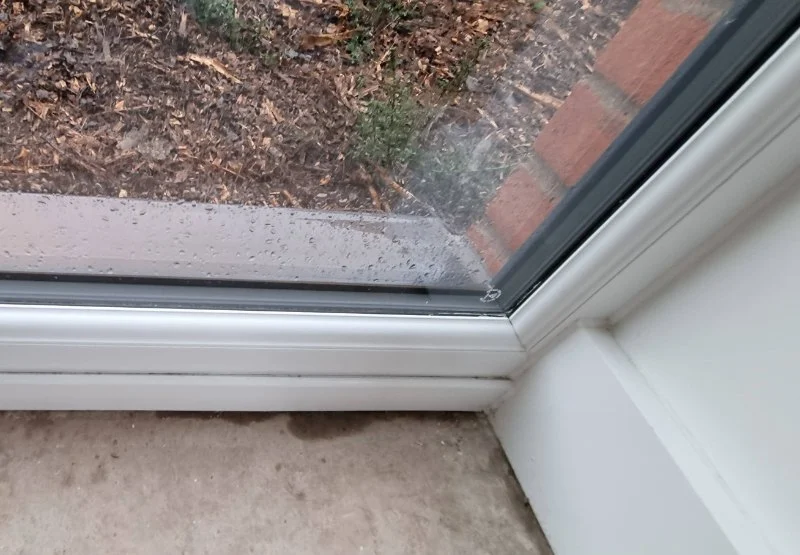
- How to Repair Water Damage Around Windows and Doors
- 1. Understanding Water Damage Around Windows and Doors
- 2. Identifying the Sources of Leaks
- 3. Step-by-Step Process to Repair Water Damage
- 4. Materials and Tools Needed for the Repair
- 5. Prevention Tips to Avoid Future Water Damage
- 6. Trusted Resources from Reliable Damage Hub
How to Repair Water Damage Around Windows and Doors
Water damage around windows and doors is a common issue faced by homeowners, especially after storms, heavy rain, or periods of neglect. While the sight of water stains or mold can be alarming, repairing the damage around these openings is not only necessary for the aesthetics but also essential to prevent structural issues. This guide will break down how to repair water damage around windows and doors, from identifying the sources of leaks to preventing future occurrences.
Giants / dry kings restoration of san francisco
San FranciscoSan Francisco CountyCalifornia
685 Geary Blvd, San Francisco, CA 94102, USA
1. Understanding Water Damage Around Windows and Doors
Water damage can occur when rainwater or melted snow seeps into your home, usually due to issues like poor sealing, improperly installed windows or doors, or even wear and tear over time. The problem can be more than cosmetic; if left unchecked, water damage can lead to mold, rot, or even structural damage to walls and framing.
Drip Restoration / valleywide restoration mesa az
932 S Stapley Dr, Mesa, AZ 85204, USA
1.1. Signs of Water Damage Around Windows and Doors
Common signs of water damage include peeling paint, discolored patches on the walls, water stains, and in more severe cases, mold or mildew growth. These signs often appear in the corners of windows and doors where water has infiltrated the building.
1.2. Impact of Water Damage
Prolonged water exposure can weaken the structural integrity of your home. It may cause wood to rot, drywall to disintegrate, and can even compromise the insulation, making your home less energy-efficient.
2. Identifying the Sources of Leaks
To effectively repair water damage, it’s crucial to first locate the source of the leak. Identifying where the water is entering will help prevent future leaks and ensure your repair is long-lasting.
2.1. Inspect the Window and Door Seals
The most common cause of water leaks around windows and doors is deteriorating seals. Inspect the caulking around the frame, as cracks or gaps in the sealant can allow water to seep inside. Over time, exposure to the elements can cause caulking to lose its adhesive properties, requiring replacement.
2.2. Check for Cracks in the Frame or Glass
Even small cracks in the window frame or glass can lead to water infiltration. These issues are often easy to overlook but can cause significant damage over time. If you notice any cracks or chips, it’s crucial to replace the affected area promptly to avoid further leaks.
2.3. Evaluate the Slope Around Doors and Windows
The slope of the ground around your home plays a role in water management. If the ground slopes toward the house, water will flow directly towards your windows and doors, increasing the chance of leaks. Ensuring that the ground slopes away from your home can help divert water away from vulnerable areas.
3. Step-by-Step Process to Repair Water Damage
Once you've identified the source of the leak, it’s time to repair the water damage. Below is a detailed step-by-step guide to help you through the repair process.
3.1. Remove Damaged Materials
Start by removing any damaged drywall, insulation, or flooring that was affected by water. If you notice mold, it’s important to safely dispose of contaminated materials and clean the affected area with a mold-killing solution before proceeding with repairs.
3.2. Seal the Source of the Leak
Apply fresh caulk or sealant around windows and doors to fill in any gaps or cracks. If the frame or trim is damaged, consider replacing these components to ensure a secure seal. You may also need to install a new weather stripping around doors to keep them tightly sealed.
3.3. Dry the Area Thoroughly
Once you've removed the damaged materials and sealed the leak, ensure the area is completely dry. Use fans or a dehumidifier to help with this process, as lingering moisture can cause mold to grow even after repairs are completed.
3.4. Repair and Replace Damaged Materials
After the area is dry, replace any damaged drywall or insulation. Use moisture-resistant materials to prevent future water-related damage. Finally, apply a fresh coat of paint to restore the appearance of the area and seal the new materials against moisture.
4. Materials and Tools Needed for the Repair
Before you begin repairing the water damage, you’ll need to gather the necessary materials and tools.
4.1. Essential Materials
- Caulk or sealant- Weatherstripping- Replacement trim or frame pieces- Drywall and insulation (moisture-resistant)- Mold-resistant paint- Fans or dehumidifiers for drying
4.2. Tools Required
- Utility knife- Putty knife or scraper- Caulking gun- Measuring tape- Drywall saw or cutter- Paintbrush or roller for finishing
5. Prevention Tips to Avoid Future Water Damage
Repairing water damage is important, but prevention is key to avoid repeating the process. Here are some tips to keep your windows and doors safe from future leaks:
5.1. Regular Inspections
Regularly inspect the seals, frames, and weather stripping around your windows and doors. Even small cracks or gaps can lead to water infiltration, so staying ahead of the problem will save you time and money in the long run.
5.2. Install Flashing
Flashing around windows and doors can provide an extra layer of protection against water damage. This metal barrier directs water away from the frame and prevents moisture from seeping in.
5.3. Keep Gutters Clean
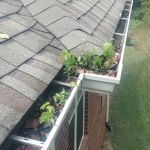
Clogged gutters can cause water to overflow, which can then seep into your home around windows and doors. Clean your gutters regularly to keep them functioning properly and to prevent water from backing up and causing leaks.
6. Trusted Resources from Reliable Damage Hub
If you need more help with water damage repairs, check out Reliable Damage Hub for expert advice, the best products, and service providers to ensure your home stays dry and secure.
 James Clifton General Contractor4.0 (22 reviews)
 SERVPRO of Monroe / West Monroe4.0 (145 reviews)
 RestoPros of NE Austin4.0 (74 reviews)
 BluSky Restoration Contractors4.0 (281 reviews)
 ServiceMaster of Aspen/Glenwood5.0 (3 reviews)
 The Water Damage Restoration Anaheim5.0 (3 reviews)
 How to Handle Water Damage From Burst Water Heaters: A Step-by-Step Guide
 How to Handle Water Damage From Burst Water Heaters
 What to Do if Your House is Flooded from a Broken Pipe | Reliable Damage Hub
 Water Damage Restoration for Hotels and Motels: Fast and Reliable Solutions
 How to Prevent Water Damage From Clogged Gutters: Tips and Solutions
 Water Damage Restoration for Industrial Offices