
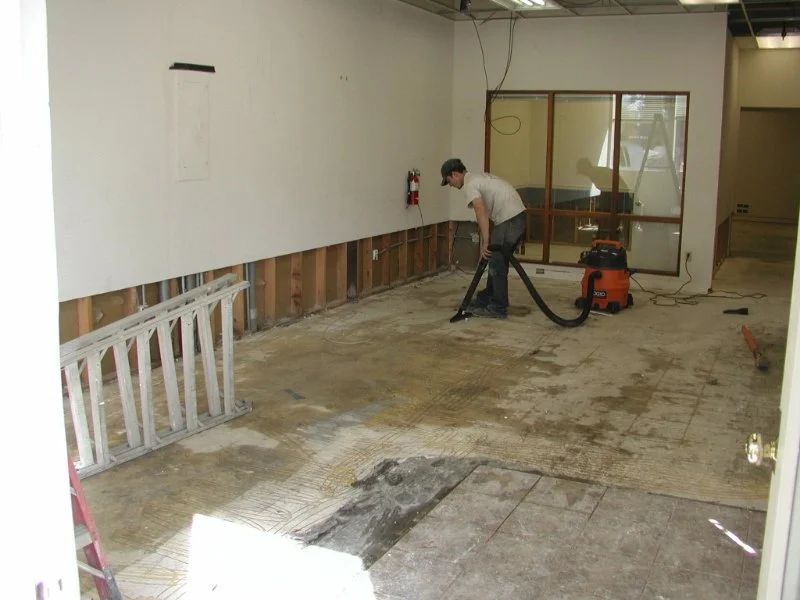
- 1- Understanding Water Damage
- 2- Immediate Actions After Water Damage
- 3- Water Damage Cleanup Process
- 4- Restoration and Repair Tips
- 5- Preventing Future Water Damage
- 6- Conclusion: Keeping Your Home Safe
1- Understanding Water Damage
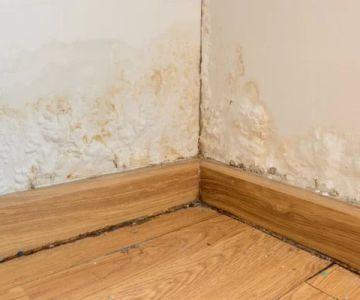
Water damage is one of the most common and destructive problems homeowners face. It can occur due to a variety of reasons, including leaks, floods, broken pipes, or weather-related events. Regardless of the cause, water damage can lead to structural issues, mold growth, and electrical hazards. Understanding how to assess and restore your home after water damage is essential to minimizing long-term damage and ensuring the safety and integrity of your property.
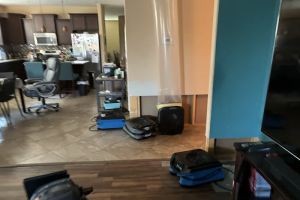
Drip Restoration / valleywide restoration mesa az
932 S Stapley Dr, Mesa, AZ 85204, USA
2- Immediate Actions After Water Damage
Time is crucial when it comes to water damage restoration. Taking the right steps immediately after the damage occurs can help prevent further deterioration and save you money on repairs. Here’s what you need to do:
1. Stop the Source of Water: If possible, turn off the water supply to your home to prevent further flooding or leakage. For major leaks or flooding, consider shutting off the main water valve or contacting a plumber.
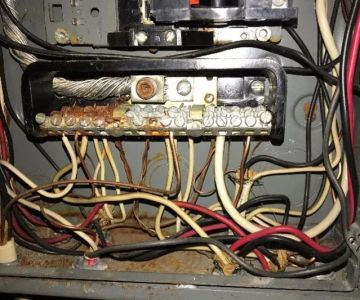
2. Turn Off Electricity: Water and electricity are a dangerous combination. Make sure to turn off the electrical power supply to prevent potential electrocution hazards. Only do this if it is safe to do so.
3. Remove Excess Water: Use buckets, towels, or a wet/dry vacuum to remove as much water as possible. The faster you can remove the water, the less likely it is to cause permanent damage.

Kustom US Restoration / kustom restoration
1215 W Houston Ave Suite A, Gilbert, AZ 85233, USA
3- Water Damage Cleanup Process
The cleanup process can be intense, but it’s crucial for preventing long-term damage and mold growth. Follow these steps to clean up after water damage:
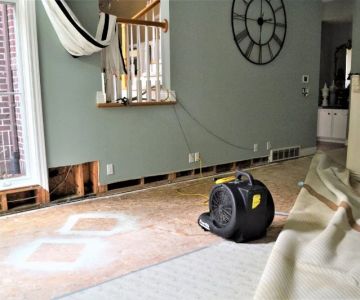
1. Dry the Area: Use fans, dehumidifiers, and open windows to promote airflow and accelerate the drying process. The longer the area stays wet, the greater the risk of mold and mildew growth.
2. Clean and Disinfect Surfaces: After drying, thoroughly clean and disinfect all affected surfaces. Mold can begin growing in as little as 24-48 hours, so proper cleaning is vital.
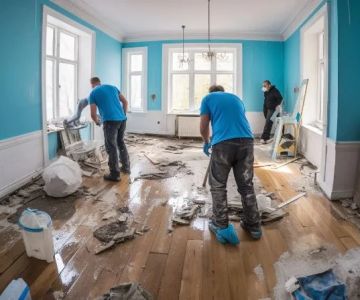
3. Remove Damaged Materials: If certain materials like drywall, insulation, or carpets are severely damaged and cannot be salvaged, remove them promptly to prevent further damage and mold development.
4- Restoration and Repair Tips
After cleaning up the immediate mess, it’s time to restore and repair the damage. Here are some tips to help restore your home:
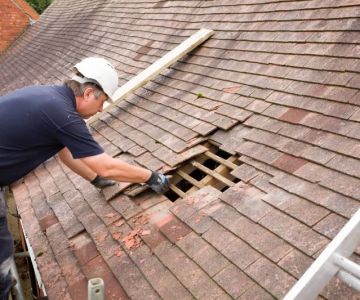
1. Repair Structural Damage: If water has caused structural damage, such as weakening beams or rotting wood, these areas must be addressed by a professional contractor. Structural damage can compromise the safety of your home, so it’s important to ensure it’s repaired correctly.
2. Replace Damaged Materials: If water has damaged materials like drywall, flooring, or cabinetry, these may need to be replaced. Choose water-resistant materials for high-risk areas to prevent future damage.
3. Mold Remediation: If you spot mold growth, it’s essential to take action quickly to prevent it from spreading. Consider hiring a professional mold remediation service if the mold covers a large area or if it’s inside your walls or HVAC system.
5- Preventing Future Water Damage
Once your home is restored, it’s important to take steps to prevent future water damage. Prevention is key to avoiding expensive repairs down the line:
1. Regularly Inspect Your Plumbing: Check pipes for leaks and ensure that faucets and hoses are in good condition. Have a plumber inspect your system annually to catch potential issues early.
2. Waterproof Your Home: Apply waterproof coatings to areas prone to water intrusion, such as the basement and foundation. Additionally, ensure that your gutters and downspouts are clear to avoid water backing up and entering your home.
3. Invest in a Sump Pump: If you live in a flood-prone area, consider installing a sump pump to prevent water from entering your basement. A sump pump can help divert water away from your home during heavy rains or flooding.
6- Conclusion: Keeping Your Home Safe
Water damage is a serious issue that requires prompt attention and action. By following the tips above, homeowners can minimize the damage, restore their property, and prevent future water-related problems. Remember, the key to effective water damage restoration is acting quickly and seeking professional help when necessary. If you need assistance with water damage restoration, visit Reliable Damage Hub for expert products and services to restore your home to its original condition.
 Good Roads Water Damage Experts5.0 (1 reviews)
 R&R Foundation Specialist4.0 (305 reviews)
 MJ White4.0 (102 reviews)
 ATI Restoration3.0 (25 reviews)
 Modernistic4.0 (251 reviews)
 ServiceMaster Cleaning Services4.0 (27 reviews)
 Water Damage Restoration for Retail Spaces – Expert Tips and Real Cases
 How to Prevent and Repair Water Damage in Commercial Properties
 How to Protect Your Home’s Electrical System from Water Damage: Essential Tips
 Flooded Basement? Here’s How to Restore It Safely
 How to Handle Water Damage After a Storm: A Step-by-Step Guide
 How to Handle Water Damage from Burst Pipes: A Step-by-Step Guide