
- Understanding Water Damage from Heavy Rain
- Steps for Water Damage Restoration
- Tools and Materials Needed for Restoration
- Preventing Future Water Damage from Storms
- Real-Life Examples of Water Damage Restoration
Understanding Water Damage from Heavy Rain
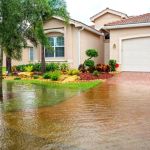
Heavy rainstorms can cause significant water damage to homes and buildings, especially when they result in flooding or when the building’s drainage systems fail to manage the water effectively. Water damage from heavy rain can affect many parts of your property, from the roof and walls to the foundation and flooring. Understanding how water infiltrates your home is essential for addressing and preventing long-term damage.
Water damage from heavy rain is usually caused by one or more of the following factors:
- Clogged gutters and downspouts
- Damaged roof shingles or leaks
- Broken windows or unsealed doors
- Faulty foundation or basement cracks
- Improperly sealed walls and window frames
These issues can lead to water entering your home and causing damage that, if not dealt with quickly, can escalate into more severe problems like mold growth or structural weakening.
SERVPRO of Pompano Beach / servpro fort lauderdale south
Pompano BeachBroward CountyFlorida
2101 NW 33rd St #200a, Pompano Beach, FL 33069, USA
Steps for Water Damage Restoration
Once you’ve identified water damage, it’s crucial to act quickly to minimize further destruction. Here’s a step-by-step guide for restoring your property after heavy rain:
1. Ensure Safety First
Before you begin any restoration work, ensure that the area is safe. Turn off the electricity to prevent electrical hazards if the water has affected electrical outlets, wires, or appliances. If you notice any structural damage or if the floodwaters have caused significant damage, it’s important to get professional help immediately to avoid injury.
2. Stop the Water Flow
If the source of the water is still present, such as a leaking roof, broken pipe, or overflow from clogged gutters, you’ll need to stop the water flow. Temporary measures, like using tarps for a leaky roof or sealing leaks with waterproof tape, can prevent further damage while you wait for repairs.
3. Remove Standing Water
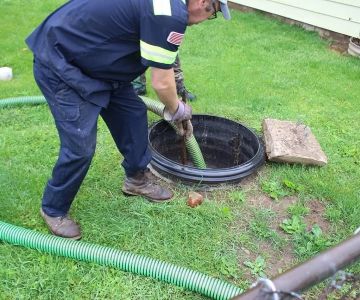
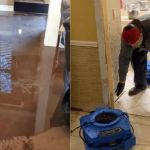
The next step is to remove standing water as quickly as possible. Use a wet vacuum, sump pump, or a mop to get rid of the water. For larger floods, you may need to contact a professional water damage restoration company to handle the extraction process. The quicker the water is removed, the less likely it is to cause mold or mildew problems later.
4. Dry the Affected Areas
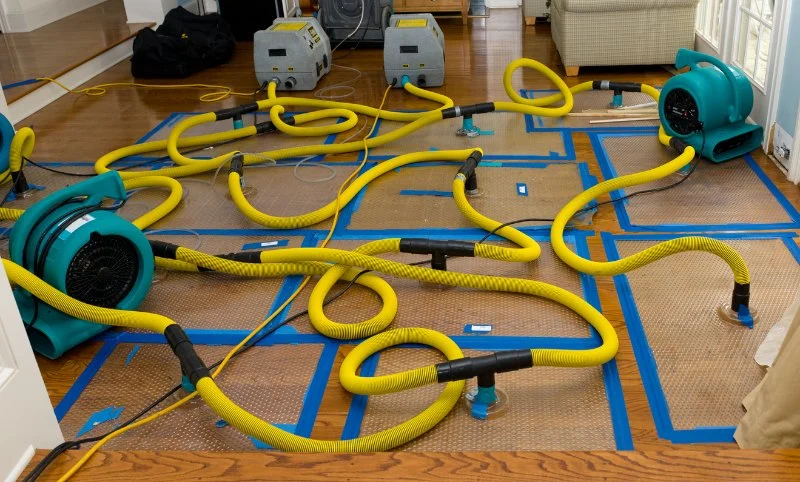
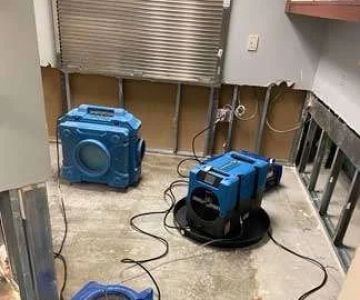
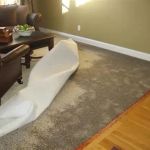
Once the water is removed, it’s essential to dry the affected areas thoroughly. This includes using fans, dehumidifiers, and open windows to promote airflow. You may also need to remove soaked carpets, padding, and furniture to allow the space to dry completely. Drying can take several days, depending on the extent of the damage and the humidity in the air.
5. Assess the Damage and Make Repairs
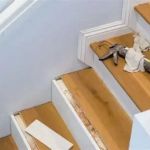
Once everything is dry, inspect your property for any structural damage or materials that need replacing. This may include replacing drywall, insulation, flooring, or wood trim that has been compromised by the water. You should also clean and disinfect any areas that may have been exposed to contaminated water, especially in the case of flooding.
6. Restore Your Property
After repairs are made, it's time to restore your property to its original condition. This could involve repainting, installing new flooring, or replacing damaged furniture. Ensure that all repairs are done properly to prevent future leaks or water damage.
Tools and Materials Needed for Restoration
To properly handle water damage restoration, you'll need a few tools and materials. Here's a list of essential items to have on hand:
1. Wet Vacuum or Sump Pump
A wet vacuum or sump pump is crucial for removing standing water quickly. These tools can help you extract water from carpets, floors, and other porous surfaces.
2. Dehumidifiers and Fans
To speed up the drying process, dehumidifiers and fans are essential. These will help remove moisture from the air and accelerate the evaporation of water from affected surfaces.
3. Mold-Resistant Cleaning Supplies
After the water has been removed, it’s important to clean the affected areas with mold-resistant cleaning solutions to prevent mold growth. A mixture of water and bleach can be effective for cleaning surfaces that have come into contact with water.
4. Replacement Materials
If parts of your property are beyond repair, such as water-damaged drywall or flooring, you will need replacement materials. Ensure that you get materials that are water-resistant and appropriate for your local climate to prevent future damage.
Preventing Future Water Damage from Storms
Once you’ve restored your property, it’s important to take preventive measures to avoid water damage from future storms. Here are a few tips to help safeguard your home:
1. Maintain Your Roof and Gutters
Regularly inspect your roof for signs of damage, such as missing shingles, cracks, or wear around the flashing. Clean gutters and downspouts regularly to ensure that rainwater can flow freely and doesn’t back up into your roof or walls.
2. Seal Windows and Doors
Ensure that your windows and doors are properly sealed, especially if they are old or showing signs of wear. Caulking around windows and weatherstripping around doors can prevent water from seeping inside during heavy rains.
3. Install Sump Pumps and French Drains
If your basement is prone to flooding, installing a sump pump and French drains can help manage water flow and prevent damage to the foundation. These systems direct water away from your home and into a safe drainage area.
4. Waterproof Your Foundation
Consider applying a waterproof sealant to your foundation to prevent water from infiltrating. Cracks in your foundation can allow water to seep into your basement or crawl space, leading to significant damage.
Real-Life Examples of Water Damage Restoration
Here are some real-life examples that show how water damage restoration can help recover from storm damage:
1. Homeowner in Houston
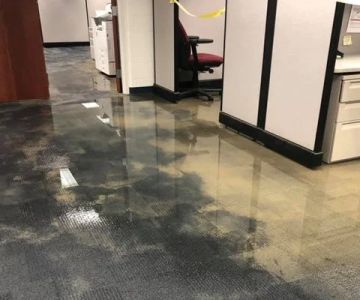
A homeowner in Houston experienced significant water damage after a severe rainstorm overwhelmed the city’s drainage system. Water flooded their basement, damaging drywall and flooring. The homeowner quickly removed the standing water, dried the affected areas, and replaced the damaged materials. By acting fast, they were able to prevent mold growth and restore their home to its original condition.
2. Commercial Property in Miami
A Miami commercial property faced a similar issue after a heavy rainstorm caused water to enter the building through a leaking roof. The property management team worked quickly to repair the roof, remove water, and dry the affected areas. They also upgraded the drainage system to prevent future flooding during storms. Their swift action helped avoid major business disruptions.
These examples show how quick response and proper restoration techniques can make all the difference in minimizing damage and preventing long-term issues from water exposure.

 Reactic Restoration5.0 (5 reviews)
 Zoë Cleaning & Restoration4.0 (41 reviews)
 Re-Nu5.0 (159 reviews)
 BULLSEYE REMODELING SERVICES INC5.0 (10 reviews)
 Roto-Rooter Plumbing & Water Cleanup4.0 (1931 reviews)
 DryZone, LLC4.0 (261 reviews)
 What Are the First Steps in Water Damage Cleanup?
 How to Restore Water-Damaged Upholstery - Expert Tips and Solutions
 How to Prevent Water Damage from Affecting Your Home’s Foundation
 Water Damage Repair for Hardwood Stairs Made Simple
 How to Restore Water-Damaged Books and Papers: Expert Tips
 How to Minimize Water Damage in Your Home During Winter - Expert Tips and Advice