
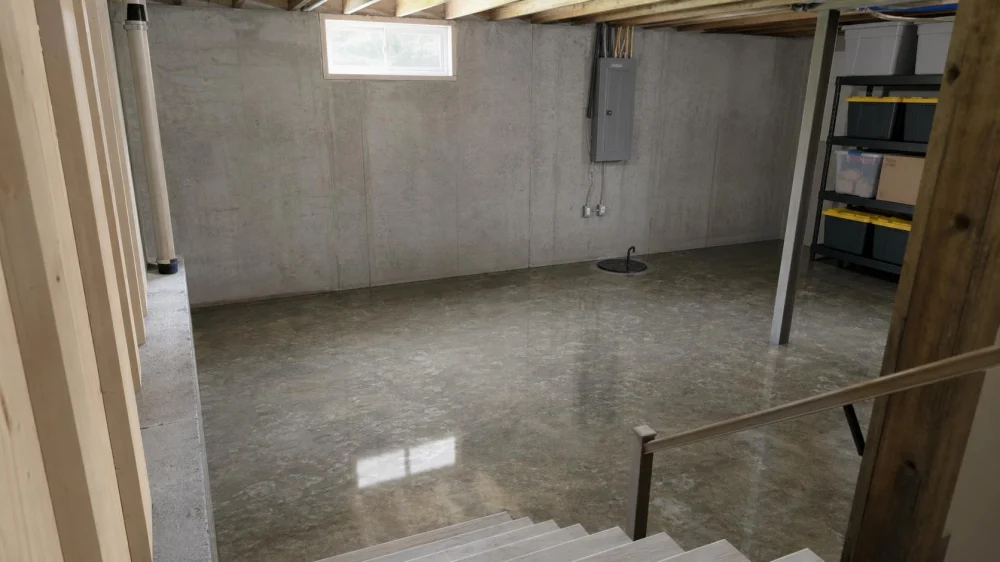
Sump Pump Failure: Safe Steps After Basement Water
On this page
Quick answer
After a sump pump failure, stay out of standing water if electrical outlets, appliances or wiring may be energized. Stop incoming water only from a dry, safe location, document conditions and contact qualified electrical, plumbing or restoration help as needed. Water removal is only the first step: hidden cavities, porous materials and indoor humidity must be assessed and dried, while sewage or contaminated floodwater requires professional controls.
Giants / dry kings restoration of san francisco
San FranciscoSan Francisco CountyCalifornia
685 Geary Blvd, San Francisco, CA 94102, USA
What to do in the first minutes
- Keep people and pets out. Block access to wet stairs and basement rooms.
- Consider electrical danger. Do not enter water to reach a panel, plug, pump or appliance.
- Call emergency services when needed. Use them for fire, sparking, structural instability or immediate life danger.
- Stop the source safely. If a plumbing leak is involved and the shutoff is accessible from a dry area, close it; otherwise call a plumber.
- Document from safety. Take wide photos or video of depth, source, affected rooms and belongings.
- Notify appropriate parties. Contact property management and insurer according to applicable policy duties without delaying emergency safety work.
Identify the likely water source
A failed sump pump is the equipment event, but the water may come from rising groundwater, foundation drainage, surface runoff, a plumbing release or sewer backup. Source affects contamination, recurrence and repair.
- Groundwater or rain: may contain soil, microbes, chemicals and outdoor contaminants.
- Clean supply leak: can become more contaminated after contacting flooring, soil or stored materials.
- Sewage or drain backup: requires strict exposure control and professional cleanup.
- Overland flooding: can contain fuel, pesticides, debris and biological hazards.
Do not classify water as clean by colour or odour alone. Time, contact surfaces and source history matter.

Wizard Restorations Inc / puroclean of san fernando
Rancho CucamongaSan Bernardino CountyCalifornia
10245 8th St, Rancho Cucamonga, CA 91730, USA
Safe response checklist
- Have electrical hazards assessed before anyone enters or connects pumps, fans or extension cords.
- Do not use a household vacuum for water removal.
- Do not run a generator, fuel-powered pump or heater indoors or near openings.
- Use professional containment and protective equipment for sewage, visible mould, chemicals or extensive contaminated water.
- Move dry, unaffected valuables only when the route is safe; separate wet items without spreading contamination.
- Photograph damaged materials before disposal when safe, while following insurer and local disposal requirements.
- Arrange prompt moisture assessment in walls, floors, insulation and cavities.
Best for limited homeowner action: safe documentation, calls and stopping an accessible clean-water source. Not ideal for DIY: energized water, sewage, deep flooding, structural movement, extensive mould or contaminated porous materials.
Drying and material decisions
A surface that feels dry can still hold moisture below flooring, behind baseboards or inside walls. Restoration professionals may map moisture, remove water, control humidity, expose wet cavities and monitor progress against dry reference areas.
- Nonporous items: may often be cleaned and dried if structurally sound and appropriately decontaminated.
- Semi-porous materials: wood and some assemblies may be salvageable depending on exposure, finish, swelling and drying access.
- Highly porous materials: carpet pad, some insulation, paper-faced products and contaminated soft goods may require removal.
- Electrical and mechanical equipment: needs qualified inspection before reuse.
Do not apply paint, sealant or new flooring until the source is controlled and the assembly is dry enough for the specified materials.
Assess the sump pump system
After electrical safety is established, a qualified contractor can determine why the system failed. Possible factors include lost power, a tripped protection device, stuck float, blocked intake, frozen or obstructed discharge, failed check valve, worn motor, undersized capacity or water exceeding design assumptions.
Ask the contractor to check the basin, pump, float travel, check valve, discharge route, exterior outlet, power supply and alarm. A replacement pump alone may not fix poor drainage or an unsafe discharge location.
Reduce repeat risk
- Test the system at the manufacturer-recommended interval using a safe documented method.
- Keep the basin covered and accessible; do not store items over it.
- Inspect the visible discharge outlet for blockage and erosion from the ground.
- Consider a high-water alarm with tested notification.
- Discuss battery or water-powered backup suitability, capacity, maintenance and local requirements.
- Maintain grading, gutters and downspouts so surface water moves away from the foundation where appropriate.
- Keep pump model, service dates and emergency contacts with household records.
Important limitations and evidence notes
This guide reflects general U.S. water-loss, electrical and indoor-environment safety practice. Water category, demolition needs and drying targets require site-specific evaluation. Building, electrical, plumbing, insurance and disposal requirements vary by jurisdiction and policy.
Never enter a flooded area based only on a remote assurance that power is off. Utility feeds, generators, solar systems and neighbouring circuits can create unexpected hazards. A qualified electrician or emergency authority should confirm safety when electrical exposure is possible.
Frequently asked questions
Can I plug the sump pump into another outlet?
Not while water or an electrical fault is present. Extension cords and alternate circuits can add shock and fire risk. Have the pump and supply evaluated safely.
Should I start fans immediately?
Only after electrical safety and contamination are assessed. Fans can spread contaminants from sewage or mould and may be inappropriate before containment.
Does a wet basement always need demolition?
No. Decisions depend on water source, exposure time, material, moisture distribution and ability to clean and dry. Some assemblies can be preserved; others cannot.
Will a backup pump prevent every flood?
No. Backup power and pumps reduce certain risks but have capacity, maintenance and discharge limitations. Surface drainage or sewer backup can exceed the system.
How quickly can mould grow?
Microbial growth risk increases as materials remain wet, but no single hour threshold determines every loss. Prompt source control and professional drying assessment are more useful than waiting for visible growth.
Next steps
Keep the area restricted, document water depth and source from safety, and arrange electrical clearance before entry. Coordinate water removal, contamination control and moisture mapping, then have the complete sump and drainage system assessed. Compare restoration scopes by documented affected areas, drying plan, monitoring and material decisions.
 U.S.A. Water Damage5.0 (17 reviews)
 HiTech Water Damage Service4.0 (20 reviews)
 Steves Air Duct Carpet Cleaning4.0 (323 reviews)
 Palm Restoration and Construction Services4.0 (13 reviews)
 Five Star Painting of Merrillville5.0 (120 reviews)
 BMS CAT3.0 (31 reviews)
 The Role of Dehumidifiers in Water Damage Restoration
 How to Restore Water-Damaged Tile Floors | Expert Repair Guide
 What You Should Know About Water Damage Restoration and Mold Growth
 How to Deal With Water Damage After Sewer Backups: A Comprehensive Guide
 How to Deal with Water Damage in Your Walls and Ceiling
 How to Restore Water-Damaged Entire Home Layouts: Step-by-Step Guide