
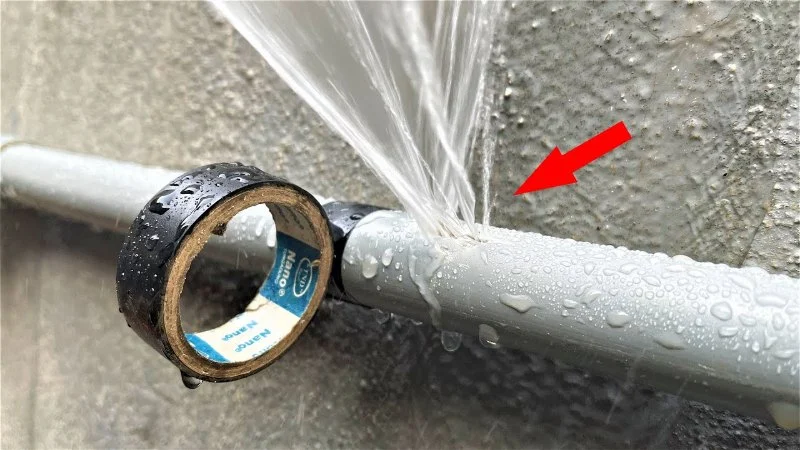
- #understanding-water-damage-from-broken-pipes
- #first-steps-after-a-pipe-break
- #how-to-dry-and-clean-water-damaged-areas
- #repairing-different-types-of-pipe-water-damage
- #preventing-mold-and-future-water-problems
- #real-life-broken-pipe-repair-experiences
- #choosing-professional-water-damage-solutions
Understanding Water Damage From Broken Pipes
A broken pipe is one of the most stressful problems a homeowner can experience. In just a few minutes, a small plumbing failure can release hundreds of gallons of water into walls, floors, ceilings, and personal belongings. Knowing how to repair water damage from broken pipes can help reduce losses, protect your property, and prevent long-term structural problems.
Water damage is not only about visible water on the floor. The real danger often comes from hidden moisture that remains inside walls, under flooring, or behind cabinets. If these areas are not properly dried, they can lead to mold growth, unpleasant odors, damaged building materials, and expensive repairs.
Many homeowners initially focus only on stopping the leak, but successful restoration requires several steps: controlling the source, removing moisture, cleaning affected areas, repairing damaged materials, and preventing future problems.
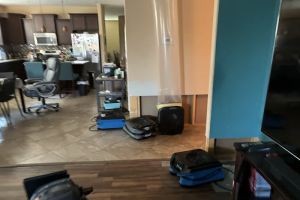
Drip Restoration / valleywide restoration mesa az
932 S Stapley Dr, Mesa, AZ 85204, USA
1.1 Why Broken Pipes Cause Serious Home Damage
Pipes are designed to safely carry water throughout a home, but several factors can cause them to fail. Freezing temperatures, aging plumbing systems, corrosion, high water pressure, and accidental damage can all contribute to pipe breaks.
When a pipe breaks inside a home, water can quickly travel into areas that are difficult to see. A leaking pipe behind a wall may damage insulation and drywall before the homeowner even notices the problem.
Common areas affected by broken pipe water damage include:
- Basements and crawl spaces
- Kitchens and bathrooms
- Ceilings below bathrooms or plumbing lines
- Wood flooring and carpets
- Walls containing plumbing pipes
1.2 The Difference Between Water Removal and Water Damage Repair
Water removal is only the first part of the process. Removing standing water does not automatically repair the damage caused by moisture.
Professional water damage repair includes evaluating affected materials, drying hidden moisture, cleaning contaminated areas, and restoring damaged structures.
For example, a wet carpet may look normal after surface water is removed, but moisture trapped underneath can damage the flooring below. Proper inspection helps identify these hidden issues before they become larger problems.
Giants / dry kings restoration of san francisco
San FranciscoSan Francisco CountyCalifornia
685 Geary Blvd, San Francisco, CA 94102, USA
First Steps After a Broken Pipe Causes Water Damage
When a pipe breaks, quick action can make a major difference. The first few hours are often the most important because water continues spreading until the source is controlled.
2.1 Shut Off the Water Supply Immediately
The first priority is stopping additional water from entering the home. Locate the main water shutoff valve and close it as quickly as possible.
If the broken pipe is connected to a specific fixture, such as a sink or toilet, you may be able to shut off only that supply line. However, major pipe failures usually require turning off the home's main water supply.
Stopping the flow reduces the amount of water that reaches walls, floors, and belongings.
2.2 Protect People and Electrical Systems
Safety should always come before cleanup. Water can create electrical hazards, especially when it reaches outlets, appliances, or electrical wiring.
Avoid entering areas where water may have contacted electrical systems until the situation has been evaluated.
Important safety steps include:
- Keeping children and pets away from wet areas
- Avoiding electrical equipment near standing water
- Moving valuable items to dry locations when possible
- Using caution around slippery surfaces
2.3 Document the Damage Before Cleaning
Before removing damaged items, take photos and videos of the affected areas. Documentation can help when communicating with insurance providers and restoration professionals.
Record details such as:
- Where the water entered the home
- Which rooms were affected
- Damaged furniture or belongings
- Visible structural damage
Clear documentation creates a useful record of what happened and how extensive the damage was.
How to Dry and Clean Water-Damaged Areas
After stopping the leak, the next challenge is removing moisture. Drying a home properly requires more than opening windows or placing towels on the floor.
3.1 Removing Standing Water
Standing water should be removed as quickly as possible. Depending on the amount of water, homeowners may use towels, buckets, wet vacuums, or professional extraction equipment.
Large amounts of water often require specialized tools because ordinary household equipment cannot remove moisture quickly enough.
3.2 Improving Air Circulation
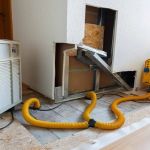
Air movement helps speed up drying. Fans, air movers, and dehumidifiers can reduce moisture levels and improve evaporation.
However, simply blowing air around is not always enough. Moisture trapped inside walls, floors, and insulation may require professional monitoring.
3.3 Checking Hidden Moisture Areas
One of the biggest mistakes homeowners make after a pipe leak is assuming everything is dry because visible water is gone.
Moisture can remain behind:
- Drywall
- Baseboards
- Cabinets
- Flooring materials
- Insulation
Hidden moisture can create problems weeks or months later, making professional moisture detection valuable during serious water damage situations.
Repairing Different Types of Damage Caused by Broken Pipes
The repair process depends on where the water damage occurred and how long the materials were exposed to moisture.
4.1 Repairing Damaged Drywall and Walls
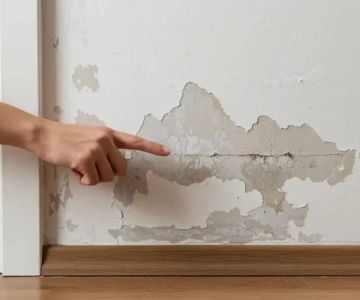
Drywall absorbs water quickly and can lose strength after prolonged exposure. In many cases, damaged sections must be removed and replaced.
Before installing new drywall, the area behind the wall must be completely dry. Installing materials over hidden moisture can trap water and encourage mold growth.
4.2 Restoring Floors After Water Exposure
Floor repair depends on the type of flooring involved.
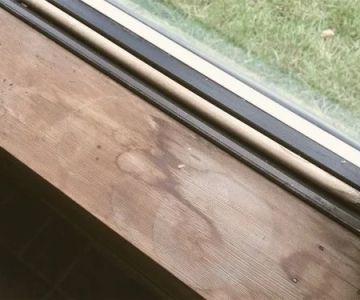
Hardwood floors may warp or buckle when exposed to water. Laminate flooring can swell, while carpets may develop odors if not dried correctly.
Each material requires a different restoration approach:
- Hardwood may require drying, sanding, or replacement
- Carpet may require cleaning or removal
- Tile areas may require inspection of the subfloor
- Laminate often needs damaged sections replaced
4.3 Repairing Ceiling Damage
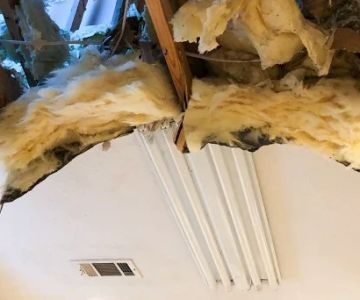
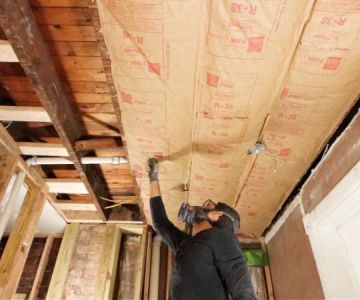
A broken pipe above a ceiling can create serious damage. Water may collect inside the ceiling structure before creating visible stains.
Ceiling repairs often involve removing damaged materials, drying the area, checking for structural issues, and restoring the surface.
Preventing Mold and Future Water Problems
One of the biggest concerns after a pipe break is preventing secondary damage. Mold can begin developing when moisture remains in an environment for too long.
5.1 Why Mold Prevention Matters
Mold affects indoor environments and can damage building materials. Preventing mold requires controlling moisture rather than only treating visible growth.
Effective prevention includes:
- Removing moisture quickly
- Drying hidden areas
- Repairing damaged plumbing
- Improving ventilation
5.2 Inspecting Plumbing Systems Regularly
Many pipe failures can be reduced through regular maintenance. Homeowners should pay attention to warning signs such as:
- Unexpected increases in water bills
- Low water pressure
- Discolored water
- Visible corrosion
- Unusual pipe noises
Small plumbing problems are usually easier and less expensive to fix before they become major emergencies.
5.3 Preparing for Cold Weather Pipe Problems
Frozen pipes are one of the most common causes of winter water damage. When temperatures drop, water inside pipes can freeze and expand, creating pressure that causes pipes to crack.
Preventive steps include insulating exposed pipes, keeping indoor temperatures stable, and protecting plumbing in colder areas.
Real-Life Broken Pipe Repair Experiences
Many homeowners only think about water damage repair after experiencing a plumbing emergency. Real situations show why preparation and quick action matter.
6.1 A Family Home Saved Through Quick Response
One common scenario involves a homeowner discovering a burst pipe in the middle of the night. The family quickly shut off the water supply, moved belongings away from the affected area, and contacted restoration specialists.
Because the response happened quickly, much of the structural damage was reduced. The affected drywall and flooring still needed repairs, but early action prevented a much larger restoration project.
6.2 Learning From Delayed Water Damage Repairs
Another common experience is waiting too long because the visible damage appears minor. A small ceiling stain may seem harmless, but hidden moisture can continue damaging materials behind the surface.
These situations show why early inspection is important after any significant pipe leak.
Choosing Professional Water Damage Solutions
While small spills can often be handled with household cleanup methods, major broken pipe incidents usually require professional attention.
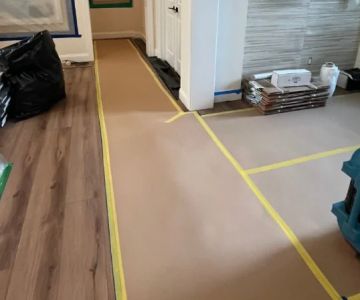
Experienced restoration teams have specialized equipment and knowledge to locate moisture, dry affected areas, and restore damaged materials properly.
7.1 Why Professional Restoration Can Make a Difference
Professional water damage services can help with:
- Emergency water extraction
- Moisture detection
- Structural drying
- Mold prevention
- Repair planning
A proper restoration process helps homeowners avoid repeated problems caused by incomplete drying or hidden damage.
7.2 Reliable Damage Hub for Water Damage Guidance
When facing unexpected water damage, having access to reliable information and restoration solutions can make the recovery process easier. Reliable Damage Hub provides helpful resources and options for homeowners who need support after plumbing emergencies.
Whether you are dealing with a current pipe failure or preparing your home for future problems, understanding how to repair water damage from broken pipes is an important step toward protecting your property.
Do not wait until a small leak becomes a major repair project. Learn more about effective water damage solutions, explore professional restoration options, and take action to protect your home from the costly effects of broken pipes.
 HouseFix, Inc.5.0 (6 reviews)
 Arrow Home Improvement5.0 (1 reviews)
 Caldwell5.0 (15 reviews)
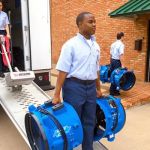 Rainbow International of Linden5.0 (2 reviews)
 JL Home Builders5.0 (11 reviews)
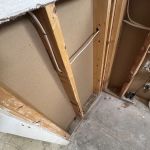 PuroClean Certified Restoration Specialists4.0 (169 reviews)
 How to Prevent Water Damage from Water Heaters and Boilers
 How to Handle Water Damage After a Broken Pipe Burst
 How to Handle Water Damage from Washing Machines: Effective Solutions and Prevention
 How to Handle Water Damage from a Broken Washing Machine Hose
 How to Restore Water-Damaged Photos and Important Papers Safely
 The Hidden Costs of Water Damage: What Homeowners Often Overlook