
How to Deal With Water Damage After Sewer Backups: A Step-by-Step Guide
- Understanding Sewer Backups and Water Damage
- First Steps After Sewer Backups
- Cleaning Up After Sewer Backups
- Preventing Future Sewer Backups
- When to Call Professionals for Sewer Backup Cleanup
Understanding Sewer Backups and Water Damage
Sewer backups are a nightmare for homeowners, causing serious water damage and health hazards. When wastewater backs up into your home, it can cause immediate damage to your property and belongings, and also create long-term problems if not addressed quickly. Understanding how sewer backups happen and the water damage they cause is essential to managing the situation effectively.
Sewer backups occur when the pipes carrying waste from your home become blocked or clogged. This blockage can cause water and waste to overflow into your home’s basement, bathroom, or kitchen. Not only is this water contaminated, but it also carries harmful bacteria, which makes it important to act fast to minimize the impact and prevent health risks.
First Steps After Sewer Backups
If you experience a sewer backup, the first thing to do is ensure your safety and prevent further contamination. Here are the initial steps to take:
- Stay Safe: Avoid contact with the contaminated water. Sewer backup water can carry harmful bacteria, viruses, and parasites that can cause infections. Wear protective gear, such as gloves, boots, and a mask, before cleaning or handling affected areas.
- Turn Off the Water Supply: If you suspect a sewer backup, turn off your home’s water supply to prevent additional water from flowing into the system and worsening the problem.
- Shut Off Power to Affected Areas: If the water has reached electrical outlets or appliances, turn off the electricity in the affected areas. Water and electricity are a dangerous combination, so always prioritize safety first.
Once you’ve secured your environment, you can begin addressing the damage more effectively.
Cleaning Up After Sewer Backups
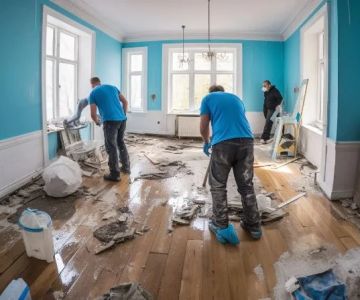
After taking the initial safety precautions, the next step is to clean up the affected areas. This process should be done carefully to minimize contamination and further damage. Follow these steps for effective cleanup:
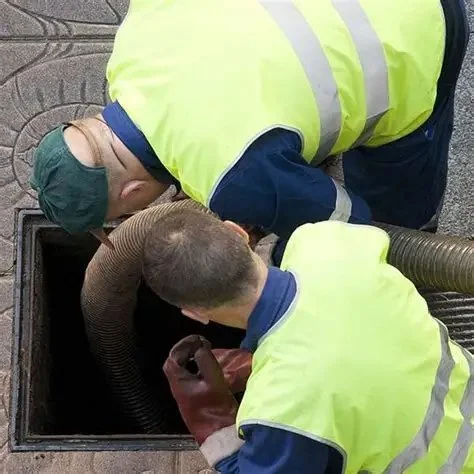
- Remove Water and Waste: Use a wet/dry vacuum to remove standing water and waste. This is the first step to reduce the spread of contaminants and start the drying process.
- Dispose of Contaminated Materials: Any porous materials such as carpets, drywall, or furniture that have come into contact with the contaminated water should be disposed of. These materials cannot be properly cleaned and pose a health risk.
- Disinfect Affected Surfaces: After removing water and debris, disinfect all surfaces thoroughly using a cleaning solution specifically designed for disinfecting sewage-contaminated areas. Focus on floors, walls, and any other surfaces that may have been exposed to wastewater.
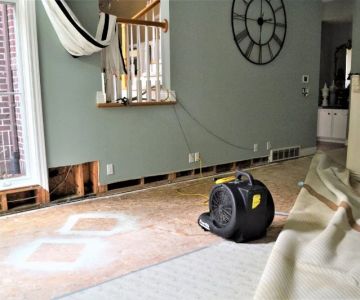
- Dry the Area Thoroughly: Use fans, dehumidifiers, or open windows to dry out the affected areas. Moisture can cause mold growth if not properly dried, so ensure the area is completely dry within 24-48 hours.
Cleaning up after a sewer backup is crucial to prevent further damage and health risks. If the damage is extensive, it might be necessary to hire professionals to help with the cleanup.
Preventing Future Sewer Backups
Once you’ve dealt with the immediate damage from a sewer backup, it’s essential to take steps to prevent future occurrences. Regular maintenance and taking proactive measures can significantly reduce the risk of a sewer backup:
- Schedule Regular Inspections: Hire a professional plumber to inspect your home’s plumbing system regularly. They can identify potential issues, such as clogs or tree root intrusion, before they lead to a backup.
- Install a Backflow Valve: A backflow valve can prevent sewage from flowing back into your home in the event of a backup. It’s a worthwhile investment for homeowners in areas prone to sewer issues.
- Avoid Flushing Non-Biodegradable Items: Make sure to avoid flushing items like wipes, paper towels, or grease down the drain. These can easily cause blockages in the pipes, increasing the chances of a sewer backup.
Implementing these preventive measures can help reduce the risk of future sewer backups and protect your home from costly damage.
When to Call Professionals for Sewer Backup Cleanup
While small sewer backups can often be dealt with by homeowners, larger incidents may require professional assistance. If the damage is widespread or involves areas like the foundation or walls, it’s best to call in experts who specialize in water damage restoration.
Professionals can assess the situation more thoroughly and use specialized equipment to ensure the area is properly cleaned, disinfected, and dried. Additionally, they have the experience and knowledge to handle hazardous materials safely and mitigate health risks.
If you’re unsure whether you can handle the cleanup on your own, contacting a professional is always a wise decision to avoid further complications.
 Good Roads Water Damage Experts5.0 (1 reviews)
 R&R Foundation Specialist4.0 (305 reviews)
 MJ White4.0 (102 reviews)
 ATI Restoration3.0 (25 reviews)
 Modernistic4.0 (251 reviews)
 ServiceMaster Cleaning Services4.0 (27 reviews)
 Water Damage Restoration for Retail Spaces – Expert Tips and Real Cases
 How to Prevent and Repair Water Damage in Commercial Properties
 How to Protect Your Home’s Electrical System from Water Damage: Essential Tips
 Flooded Basement? Here’s How to Restore It Safely
 How to Handle Water Damage After a Storm: A Step-by-Step Guide
 How to Handle Water Damage from Burst Pipes: A Step-by-Step Guide