
Restoring Water-Damaged Insulation: Steps to Protect Your Home and Improve Recovery
- understanding-water-damaged-insulation
- common-causes-of-insulation-water-damage
- signs-your-insulation-has-water-damage
- steps-to-restore-water-damaged-insulation
- when-to-replace-wet-insulation
- preventing-future-insulation-water-problems
- professional-water-damage-restoration-solutions
Understanding Water-Damaged Insulation and Why It Matters
Insulation is one of the most important hidden systems in any home. It helps regulate indoor temperatures, improves energy efficiency, and creates a more comfortable living environment. However, when moisture enters walls, ceilings, attics, or crawl spaces, insulation can quickly become compromised. Knowing how to restore water-damaged insulation is essential for preventing long-term structural issues, unpleasant odors, and potential health concerns.
Many homeowners do not realize there is a problem until the damage becomes obvious. A ceiling stain, musty smell, rising energy bill, or uneven indoor temperature may indicate that insulation has absorbed water. Unlike flooring or drywall, insulation often sits behind surfaces where damage can remain unnoticed for weeks or even months.
Water-damaged insulation is not just a cosmetic concern. Wet insulation loses much of its ability to resist heat transfer, meaning your heating and cooling systems may need to work harder. Over time, this can increase energy costs and create an environment where mold and mildew can develop.
Giants / dry kings restoration of san francisco
San FranciscoSan Francisco CountyCalifornia
685 Geary Blvd, San Francisco, CA 94102, USA
Why Insulation Fails After Water Exposure
Most insulation materials are designed to trap air and slow down temperature movement. When water fills those air spaces, the insulation becomes less effective. Fiberglass insulation, for example, may dry in some situations if the exposure is limited, but prolonged moisture can lead to compression, contamination, and reduced performance.
Other materials, such as cellulose insulation, are especially sensitive to moisture because they are made from processed paper fibers. Once saturated, cellulose can become heavy, settle unevenly, and create ideal conditions for microbial growth.
SERVPRO of Pompano Beach / servpro fort lauderdale south
Pompano BeachBroward CountyFlorida
2101 NW 33rd St #200a, Pompano Beach, FL 33069, USA
Why Quick Action Makes a Difference
One of the biggest mistakes homeowners make after water damage is waiting too long before inspecting insulation. A small plumbing leak or roof issue may appear minor, but hidden moisture can spread through insulation layers and surrounding building materials.
Taking action quickly can reduce repair costs and help protect the structure of your home. Reliable Damage Hub helps homeowners understand restoration options and find appropriate solutions when insulation and other building materials have been affected by water.
Common Causes of Water Damage in Insulation
Before restoring damaged insulation, it is important to identify where the water came from. Removing wet insulation without fixing the source of moisture only creates a temporary solution.
1. Roof Leaks and Attic Moisture
Roof problems are one of the most common causes of attic insulation damage. Missing shingles, damaged flashing, clogged gutters, or aging roofing materials can allow rainwater to enter the attic space.
A homeowner may notice a small ceiling discoloration after a storm, but the actual damage may extend into attic insulation above that area. Water can travel along roof framing before reaching visible areas, making professional inspection important.
2. Plumbing Leaks Inside Walls
Burst pipes, leaking supply lines, and damaged plumbing connections can introduce large amounts of water into wall cavities. Since insulation is often enclosed behind drywall, moisture can remain trapped.
A common example involves a slow bathroom pipe leak. The homeowner may only notice a slightly higher water bill or a damp smell. Months later, damaged insulation and mold growth may become apparent during a renovation.
3. Flooding and Severe Weather Events
Flooding from storms, hurricanes, or groundwater intrusion can create extensive insulation damage. Floodwater may contain contaminants, making restoration more complicated.
After major weather events, many homeowners focus on removing standing water and repairing visible damage but overlook insulation hidden behind walls and ceilings.
Signs Your Insulation Has Water Damage
Identifying water-damaged insulation early can prevent more expensive repairs. Several warning signs may indicate that moisture has reached your insulation system.
1. Musty Odors and Indoor Air Changes
A persistent musty smell is often one of the first signs of moisture problems. Wet insulation can trap odors because it absorbs surrounding contaminants and creates a damp environment.
If certain rooms smell different from the rest of the house, especially after rain or plumbing issues, inspecting hidden insulation may be necessary.
2. Increased Heating and Cooling Costs
Damaged insulation cannot maintain indoor temperatures effectively. If your energy bills suddenly increase without a clear explanation, moisture damage may be reducing insulation performance.
3. Visible Stains or Sagging Materials
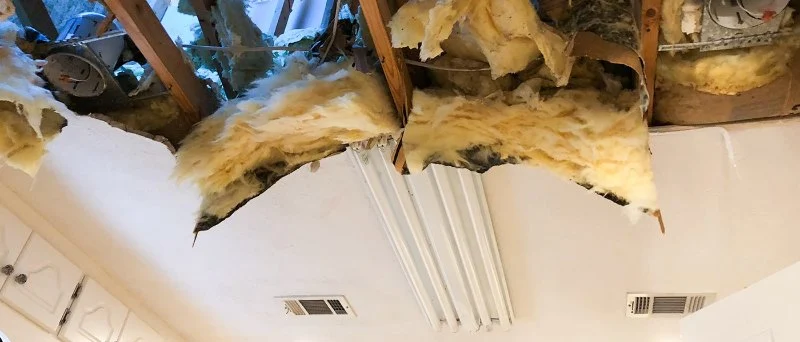
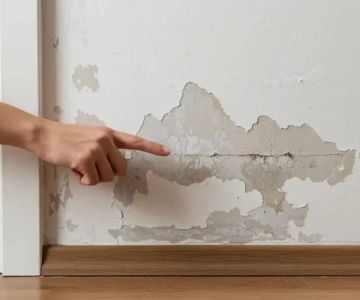
Water stains on ceilings and walls can indicate that insulation behind those surfaces has been affected. In some cases, insulation may become compressed or fall away from its original position after absorbing water.
4. Mold Growth Around Damaged Areas
Mold often develops when moisture remains for an extended period. If mold appears near walls, ceilings, or attic spaces, the insulation should be inspected because it may contain hidden growth.
Steps to Restore Water-Damaged Insulation
Learning how to restore water-damaged insulation involves several careful steps. The correct approach depends on the type of insulation, the amount of moisture, and whether contamination is present.
Step 1: Stop the Source of Water
The first step is always addressing the cause of the moisture. Repair roof leaks, plumbing failures, drainage problems, or any other source before attempting restoration.
Restoring insulation while water continues entering the home will only result in repeated damage.
Step 2: Assess the Extent of Damage
A thorough inspection helps determine whether insulation can be dried or must be removed. Professionals typically evaluate moisture levels, affected areas, and the condition of surrounding materials.
Small areas of clean water exposure may sometimes be recoverable, while large areas affected by contaminated water usually require replacement.
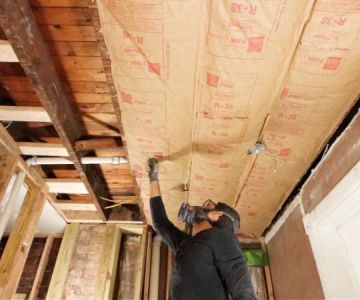
Step 3: Remove Severely Damaged Insulation
Insulation that is soaked, contaminated, compressed, or showing mold growth generally cannot be restored effectively. Removing damaged material prevents ongoing problems.
During removal, proper safety precautions are important because damaged insulation may contain dust, debris, or contaminants.
Step 4: Dry and Clean the Area
After removing affected insulation, the surrounding area must be completely dried. Air circulation, dehumidification, and moisture monitoring help prevent future problems.
Simply allowing materials to air dry is not always enough, especially inside enclosed wall cavities where airflow is limited.
Step 5: Install New Insulation
Once the area is clean and dry, replacement insulation can be installed. The correct material depends on the location, climate, and energy efficiency goals of the home.
Modern insulation options can improve comfort and help reduce future energy expenses when properly installed.
When Wet Insulation Should Be Replaced Instead of Restored
Many homeowners ask whether wet insulation can simply be dried and reused. The answer depends on several factors.
Fiberglass Insulation Considerations
Fiberglass may sometimes recover after limited clean-water exposure if it has not lost its shape and can be completely dried. However, insulation that has remained wet for an extended period may become ineffective.
Cellulose Insulation Considerations
Cellulose insulation generally requires replacement after significant water exposure. Because it absorbs moisture easily, drying may not restore its original structure or performance.
Contaminated Water Exposure
If insulation has been exposed to sewage, floodwater, or other contaminated sources, replacement is usually the safest option. Contaminated materials can create ongoing indoor environmental concerns.
Preventing Future Insulation Water Problems
After restoring water-damaged insulation, prevention becomes the next priority. A few maintenance habits can greatly reduce future risks.
Maintain Your Roof Regularly
Regular roof inspections can identify damaged shingles, weak flashing, and drainage issues before they create interior water problems.
Control Indoor Humidity
High humidity can contribute to moisture accumulation in attics and crawl spaces. Proper ventilation and humidity control help protect insulation performance.
Inspect Plumbing Systems
Checking pipes, water heaters, and plumbing connections can prevent unexpected leaks that damage hidden areas of your home.
Professional Help for Water-Damaged Insulation Recovery
While some minor moisture issues may appear manageable, insulation restoration often involves hidden damage that is difficult to evaluate without proper tools and experience.
Professionals can identify moisture levels, determine whether materials can be saved, and recommend the safest restoration approach. This is especially important when water damage affects large areas or involves possible mold contamination.
Reliable Damage Hub provides homeowners with guidance and restoration solutions designed to address water-related problems efficiently. Whether you need help understanding insulation replacement options or want to protect your property after water damage, professional support can make the recovery process easier.
Protect Your Home With the Right Water-Damage Insulation Solution
Understanding how to restore water-damaged insulation allows homeowners to make better decisions after leaks, storms, or flooding. Damaged insulation can affect comfort, energy efficiency, and the overall condition of your property if ignored.
If your home has wet insulation, do not wait for the problem to become more serious. Explore reliable restoration options, learn more about professional solutions, and take the next step toward replacing or restoring damaged insulation with confidence.
 HouseFix, Inc.5.0 (6 reviews)
 Arrow Home Improvement5.0 (1 reviews)
 Caldwell5.0 (15 reviews)
 Rainbow International of Linden5.0 (2 reviews)
 JL Home Builders5.0 (11 reviews)
 PuroClean Certified Restoration Specialists4.0 (169 reviews)
 How to Prevent Water Damage from Water Heaters and Boilers
 How to Handle Water Damage After a Broken Pipe Burst
 How to Handle Water Damage from Washing Machines: Effective Solutions and Prevention
 How to Handle Water Damage from a Broken Washing Machine Hose
 How to Restore Water-Damaged Photos and Important Papers Safely
 The Hidden Costs of Water Damage: What Homeowners Often Overlook