
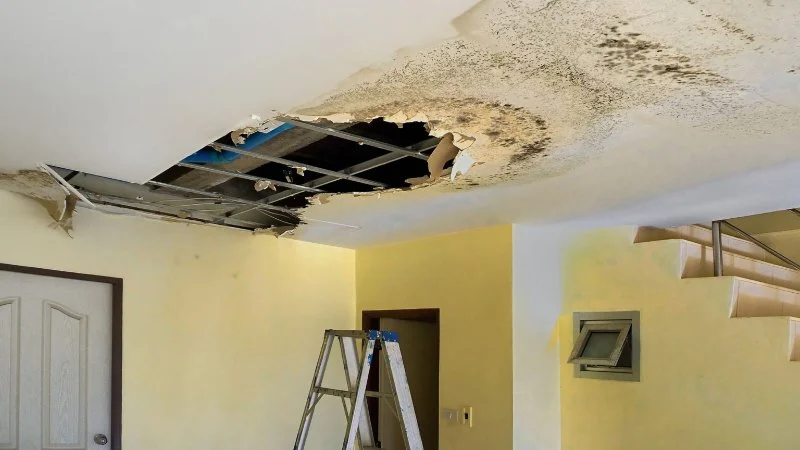
How to Restore Water-Damaged Entire Home Layouts: Step-by-Step Guide
- Initial Assessment of Water Damage
- Steps to Begin Restoring Your Home Layout
- Choosing the Right Restoration Team
- Final Touches and Preventive Measures
Initial Assessment of Water Damage
The first step in restoring a water-damaged home layout is a thorough assessment. This helps determine the severity of the damage and the areas that need immediate attention:
- Identify the Source: Find the source of the water intrusion. Whether it’s a leaky roof, burst pipes, or flooding, addressing the cause is crucial before any restoration work begins.
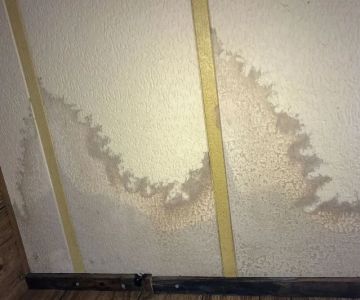
- Inspect Structural Integrity: Check for structural damage, including warped walls, floors, and ceilings. If the structural integrity is compromised, professional help may be required to reinforce the home.
- Check for Mold: Water damage can lead to mold growth. It’s essential to inspect areas such as basements, attics, and bathrooms where moisture can linger.
Steps to Begin Restoring Your Home Layout
Once the damage is assessed, the restoration process can begin. Follow these steps to start restoring your home layout:
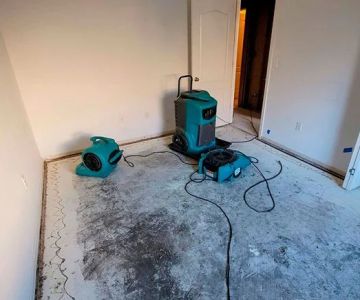
- Remove Excess Water: Use pumps or wet vacuums to remove standing water from floors and carpets. The quicker this is done, the less chance there is for further damage.
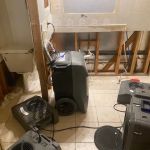
- Dry Out the Area: Open windows, use fans, and dehumidifiers to dry out the home. It’s crucial to ensure that moisture doesn’t remain in the walls or floors to prevent mold growth.
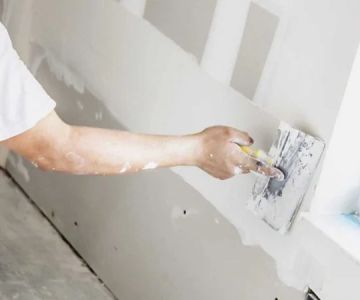
- Replace Damaged Materials: Remove and replace damaged drywall, flooring, and insulation. If wood is extensively damaged, it may need to be replaced to maintain the home’s structural integrity.
Choosing the Right Restoration Team
If the damage is extensive, it’s important to hire a professional restoration company. Here are some tips for selecting the right team:
- Check for Certifications: Ensure that the restoration company is certified by organizations like the Institute of Inspection, Cleaning, and Restoration Certification (IICRC). This ensures they meet industry standards for water damage restoration.
- Read Reviews: Check online reviews and ask for references to gauge the reliability and quality of the restoration team’s work.
- Get Multiple Estimates: Obtain estimates from at least three different restoration companies. This helps ensure you’re getting a fair price for the services.
Final Touches and Preventive Measures
After the major repairs are complete, it’s time for the final touches to restore your home layout fully:
- Repaint and Refurnish: Once everything is dry and secure, you can repaint and refurnish the rooms. Be sure to use mold-resistant paint in areas prone to moisture.
- Install New Flooring: After ensuring that all moisture has been removed, install new flooring. Consider moisture-resistant options such as tiles or vinyl to prevent future water damage.
- Prevent Future Water Damage: Take steps to prevent future water damage. This may include sealing windows, improving drainage around the foundation, or installing sump pumps in flood-prone areas.
Water damage restoration can be a daunting task, but with the right approach, you can restore your home’s layout to its original condition. If you're looking for professional restoration services, visit Reliable Damage Hub for expert assistance in water damage repair.
 Kustom Disaster Restoration5.0 (119 reviews)
 Crawford Painting and Pressure Washing5.0 (20 reviews)
 Master Care Restoration Services, Inc5.0 (14 reviews)
 Elmont Mold Removal & Inspections5.0 (1 reviews)
 MOLD OR US5.0 (3 reviews)
 Dry Pro Restoration of New Orleans Uptown & Carrollton0.0 (0 reviews)
 How Water Damage Affects Your Electrical System and What to Do About It
 Water Damage Restoration for Commercial Kitchens - Expert Guide
 How to Protect Your Home’s Electrical System from Water Damage: Essential Tips
 How to Repair Water Damage From Basement Flooding: A Comprehensive Guide
 The Dangers of Ignoring Water Damage: Why Timely Restoration is Crucial
 How to Restore Water-Damaged Books and Papers