
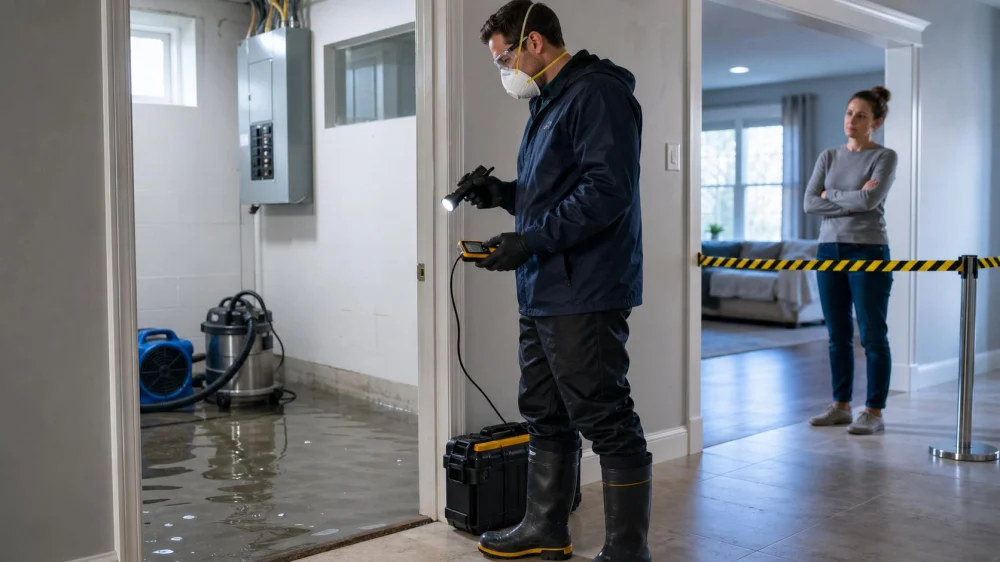
Water Damage Safety: Know When Cleanup Is Too Risky
On this page
Quick answer
Do not enter water-damaged areas when electricity, gas, structure, sewage, chemicals, or fast-moving water may be hazardous. A small, promptly stopped clean-water leak may allow limited homeowner drying, but contaminated water, extensive saturation, hidden cavities, vulnerable occupants, or material wet longer than 24–48 hours usually calls for qualified help. Document damage and contact insurance before discarding items when safe.
Kustom US Restoration / kustom restoration
1215 W Houston Ave Suite A, Gilbert, AZ 85233, USA
What makes water damage hazardous
Water damage risk depends on the source, contaminants, depth, time, affected materials, electrical and structural conditions, and who may be exposed. Clear-looking water is not proof that it is safe.
Risks can include electric shock, unstable ceilings or floors, sewage microorganisms, chemicals, sharp debris, carbon monoxide from improper generator use, and microbial growth in wet porous materials.
Giants / dry kings restoration of san francisco
San FranciscoSan Francisco CountyCalifornia
685 Geary Blvd, San Francisco, CA 94102, USA
Identify the water source
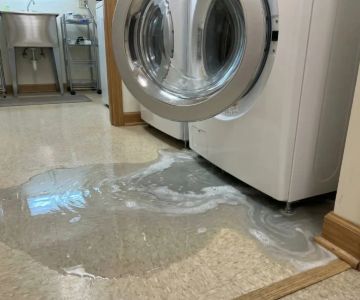
- Potentially cleaner source: a promptly discovered supply-line or appliance leak, before contact with contaminants. It can become more hazardous after passing through dirty assemblies or standing.
- Weather or surface water: rain intrusion and outdoor floodwater may contain soil, fuel, pesticides, sewage, and debris.
- Wastewater: toilet overflow beyond the bowl, sewer backup, or septic water should be treated as contaminated.
- Unknown source: use the more cautious approach until a professional identifies it.
Do not rely only on informal “clean, gray, black” labels. The actual path, time, and exposure conditions determine the work plan.
Before entering
- Wait for authorities or qualified professionals to release a flood-damaged building when required.
- Confirm electricity and gas safety without stepping into water to reach controls.
- Look from outside for shifting walls, sagging roofs, damaged foundations, and unstable trees or lines.
- Use daylight or a battery flashlight, not flames.
- Keep children, older adults, people with breathing problems or weakened immunity, and pets away.
- Wear task-appropriate boots, gloves, eye protection, protective clothing, and respiratory protection if entry is approved.
When to call professionals
- Sewage, floodwater, chemical contamination, or an unknown source.
- Water near panels, outlets, appliances, solar systems, or damaged wiring.
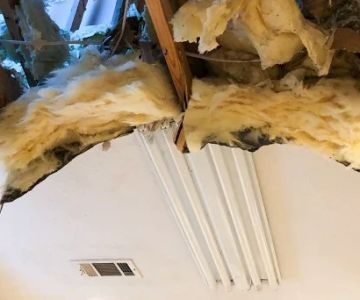
- Sagging ceilings, soft floors, bowed walls, or structural movement.
- Multiple rooms, deep standing water, HVAC contamination, or hidden wall and floor cavities.
- Wet drywall, insulation, carpet pad, engineered wood, or other porous assemblies over a broad area.
- Visible mould, strong musty odour, or inability to dry within 24–48 hours.
- A household member with asthma, severe allergy, weakened immunity, or another vulnerability.
Safer first actions
If the area is safe and the source is accessible, stop the water without entering a hazard zone. Photograph rooms and belongings, call the insurer, and retain receipts. Move dry valuables away from the edge of damage without carrying contaminated items through clean rooms.
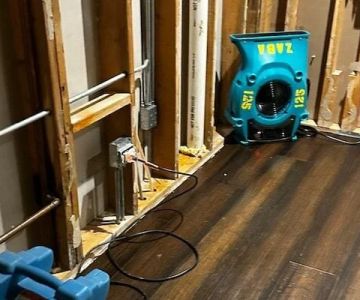
Use fans and dehumidifiers only when electricity is confirmed safe and visible mould has been addressed; airflow can spread contamination. Never operate a fuel-powered generator indoors or in a garage. EPA advises placing it outdoors at least 20 feet from buildings and away from openings.
Moisture and mold timing
EPA advises acting quickly because mould can grow on wet materials within 24–48 hours. Drying time is not merely how long a surface feels dry: moisture can remain behind baseboards, under flooring, inside insulation, and in wall cavities.
Hard, nonporous surfaces may sometimes be cleaned and dried. Contaminated or mouldy porous materials may require removal. Do not mix cleaning products, and never combine bleach with ammonia or other cleaners.
Restoration contractor checklist
- What is the water source and suspected contamination?
- Which electrical, gas, structural, or environmental hazards were assessed?
- What moisture map and drying targets will be documented?
- Which materials can be cleaned, and which need removal?
- How will clean areas be isolated from demolition dust and contamination?
- How will HVAC components and concealed cavities be evaluated?
- What daily readings, photos, and completion criteria will I receive?
- Are licensing, insurance, references, and subcontractors verified?
Limitations and emergency notes
This guide cannot classify water remotely or release a building for entry. Local health, building, floodplain, utility, and insurance requirements vary. Lead paint, asbestos, fuel oil, pesticides, and other hazards can require specialized testing and contractors.
Call emergency services for electric shock, fire, gas odour, collapse, trapped people, fast-rising water, or serious illness. Leave immediately if you hear shifting, see new cracking, feel floors move, or develop breathing trouble, dizziness, or nausea.
Frequently asked questions
Can I use a shop vacuum on standing water?
Only equipment specifically rated for wet pickup, connected to a confirmed safe power source, may be suitable for limited clean-water work. Never use it in an energized or contaminated area.
Is rainwater inside a house clean?
Not automatically. It can collect contaminants from roofing, soil, streets, walls, insulation, and stored chemicals. Consider its path and exposure time.
Can I dry mouldy rooms with fans?
EPA cautions that fans can spread mould. Visible growth and contamination should be addressed before circulating air through affected areas.
Should I throw damaged items away immediately?
First photograph and consult the insurer when safe. Contaminated items may need controlled removal; do not keep unsafe materials solely for claim purposes.
Sources and evidence notes
Safety boundaries follow the EPA’s flood cleanup guidance, Flooded Home resource, and CDC’s reentry safety guidance.
Next steps
From a safe location, identify the likely source, photograph the extent, and note time and affected materials. Call utilities or emergency services for immediate hazards, notify insurance, and request a restoration assessment that documents contamination, moisture, removal, drying, and clearance criteria.
 Mr. Rooter Plumbing of Palm Desert4.0 (204 reviews)
 ALL STARS DRY5.0 (19 reviews)
 Master Painting of the RGV4.0 (14 reviews)
 Mold Removal Masters, LLC4.0 (55 reviews)
 Rainbow Restoration of Southeast Louisiana4.0 (8 reviews)
 ServiceMaster by Isler3.0 (7 reviews)
 How to Restore Water-Damaged Electronics Safely and Effectively
 How to Safely Remove Water From Hardwood Floors: Expert Tips
 How to Handle Water Damage From HVAC Systems: Repair and Prevention Guide
 How to Repair Water-Damaged Electrical Systems Safely
 How to Prevent Water Damage from Affecting Your Furniture
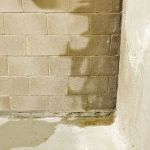 How to Fix Water Damage in Your Basement Walls