
1. Understanding Flood Damage and Its Impact
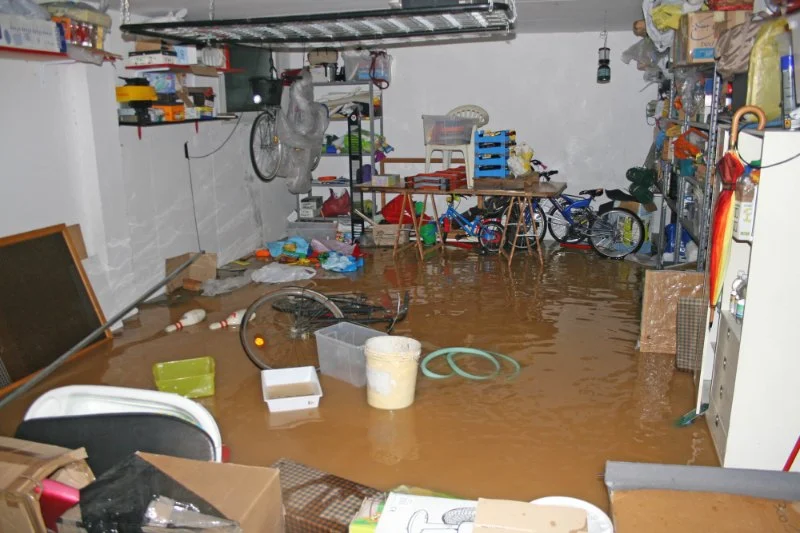
Floods and flash floods can cause devastating water damage to homes, businesses, and entire communities. The immediate impact includes the destruction of personal property, structural damage to buildings, and potential long-term effects like mold growth. It's important to recognize that managing water damage requires more than just cleaning up water; it involves understanding the specific risks associated with water intrusion and how to effectively mitigate these risks to protect your property in the long term.
SERVPRO of Pompano Beach / servpro of santa maria
Pompano BeachBroward CountyFlorida
2101 NW 33rd St #200a, Pompano Beach, FL 33069, USA
2. Immediate Actions to Take During a Flood or Flash Flood
When a flood or flash flood occurs, immediate action is crucial to prevent further damage and ensure safety. Here are the first steps you should take:
- Ensure Personal Safety: First and foremost, make sure you and your family are safe. If floodwaters are rising rapidly, evacuate the area immediately and avoid walking or driving through floodwaters.
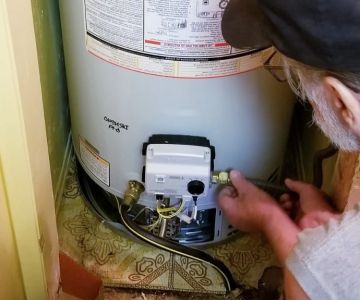
- Shut Off Power and Gas: If it’s safe to do so, turn off electricity and gas supplies to prevent electrical hazards and fire risks. Water and electricity are a dangerous combination, so prioritize disconnecting power to flooded areas.
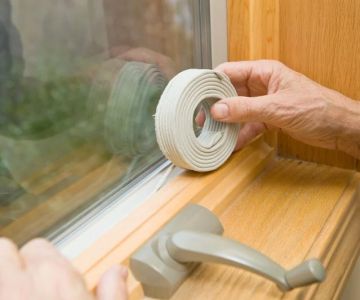
- Prevent Further Water Entry: Seal any leaks and gaps where water is entering your home. Use sandbags or plastic sheeting to block the flow of water if possible. This can help minimize the amount of water entering the property.
- Document the Damage: Take photos and videos of the damage for insurance purposes. This documentation will help when filing claims and will ensure you have evidence of the damage caused by the flood.
3. Long-Term Solutions to Manage Water Damage
Once the immediate threat of flooding has passed, it’s time to focus on long-term water damage management. Here are some essential steps to take:
- Dry Out the Area: Drying out your property as quickly as possible is essential to prevent further damage like mold and mildew. Use dehumidifiers, fans, and open windows to increase airflow and speed up the drying process. In some cases, professional drying equipment may be necessary.
- Inspect and Clean Affected Areas: Water-damaged materials such as carpets, drywall, and insulation should be removed and replaced if necessary. For surfaces that can be cleaned, such as tiles and concrete, use disinfectants to prevent mold and bacteria growth.
- Check for Structural Damage: Inspect the foundation, walls, and roof for structural damage caused by the water. Water can weaken the foundation and lead to long-term stability issues if not addressed promptly.
- Install a Moisture Barrier: Consider installing moisture barriers, especially in basements and crawlspaces, to prevent future flooding. This could include sump pumps, water-resistant coatings, or improved drainage systems around your property.
4. Common Mistakes to Avoid When Managing Water Damage
While managing water damage, it's important to avoid common mistakes that can make the situation worse or delay the recovery process. Here are some common pitfalls to watch out for:
- Delaying the Cleanup: Delaying water removal and drying can cause further damage to furniture, floors, and walls, increasing the risk of mold growth. The longer water is allowed to sit, the more difficult it becomes to restore the affected area.
- Not Seeking Professional Help: If the damage is extensive, it’s crucial to call in a water damage restoration expert. They can use specialized equipment to remove water and moisture more effectively and provide expert advice on preventing future issues.
- Ignoring Mold Prevention: Mold can develop within 24-48 hours of water exposure, so it’s important to take immediate action to prevent its growth. Failure to properly disinfect and clean affected areas can lead to severe mold problems down the line.
5. Real-Life Case Study: Successful Water Damage Management
Consider the case of the Parker family, whose home was impacted by a flash flood after heavy rainfall in their area. After ensuring their safety and evacuating, they took swift action by turning off power and sealing the home from additional water entry. Once the floodwaters receded, they contacted a water damage restoration company to remove the water and dry the property. The team used commercial-grade dehumidifiers and fans, and within a few weeks, the home was dried out and mold-free.
By acting quickly and hiring professionals, the Parkers were able to prevent further damage and protect their property. This case highlights the importance of being prepared and knowing how to manage water damage effectively during a flood or flash flood.
If you need expert advice or services to help with water damage restoration, visit Reliable Damage Hub for top recommendations on products and services that will help you protect your home from future damage.

 BluSky Restoration Contractors4.0 (40 reviews)
 MaxCARE of Washington, Inc4.0 (246 reviews)
 Just Right Services Corp5.0 (15 reviews)
 Rainbow International of Midwest Ohio3.0 (10 reviews)
 Western Disaster Cleanup4.0 (217 reviews)
 Doan Restoration of Michigan, LLC4.0 (128 reviews)
 How to Handle Water Damage from Burst Pipes: A Step-by-Step Guide
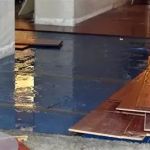 Signs You Need Immediate Water Damage Repair: Key Indicators
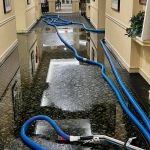 The Role of a Water Damage Restoration Professional in Your Home Repairs
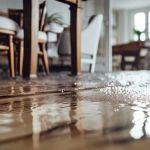 Water Damage Restoration Safety Tips You Should Never Ignore
 Water Damage Repair for Flooring Transitions: How to Restore Your Floors Effectively
 Water Damage Restoration After Storm Damage: Step-by-Step