
- identify-building-interior-water-damage
- stop-water-source-and-prevent-further-damage
- inspect-walls-ceilings-and-flooring-after-water-exposure
- drying-and-moisture-removal-process
- repair-water-damaged-interior-materials
- prevent-mold-and-future-interior-water-damage
- when-to-contact-water-damage-restoration-experts
Complete Guide to Restoring Damaged Building Interiors After Water Problems
1. Understanding Building Interior Water Damage and Why Fast Action Matters
Water damage inside a building is one of those problems that often looks smaller than it really is. A stained ceiling, a damp wall corner, or a slightly warped floorboard may appear like a simple cosmetic issue, but hidden moisture can continue spreading behind surfaces long after the visible water disappears. Learning how to fix water damage to building interiors requires understanding where water travels, how materials react, and why quick intervention can prevent expensive repairs.
Building interiors are made from many different materials, including drywall, wood framing, insulation, flooring systems, paint, electrical components, and cabinetry. Each material responds differently when exposed to moisture. Drywall can soften and crumble, wood can swell or rot, insulation can trap water, and flooring can separate from its base layers.
Many homeowners first notice water damage after a storm, plumbing failure, roof leak, appliance overflow, or HVAC problem. However, some of the most serious cases develop slowly. A small pipe leak inside a wall cavity may go unnoticed for weeks, creating conditions where mold growth and structural deterioration become major concerns.
SERVPRO of Pompano Beach / servpro fort lauderdale south
Pompano BeachBroward CountyFlorida
2101 NW 33rd St #200a, Pompano Beach, FL 33069, USA
Why Interior Water Damage Can Spread Quickly
Water does not stay where it first appears. Gravity pulls moisture downward, while porous building materials allow it to move sideways. A leak from an upstairs bathroom, for example, may create stains in a downstairs ceiling several feet away from the original source.
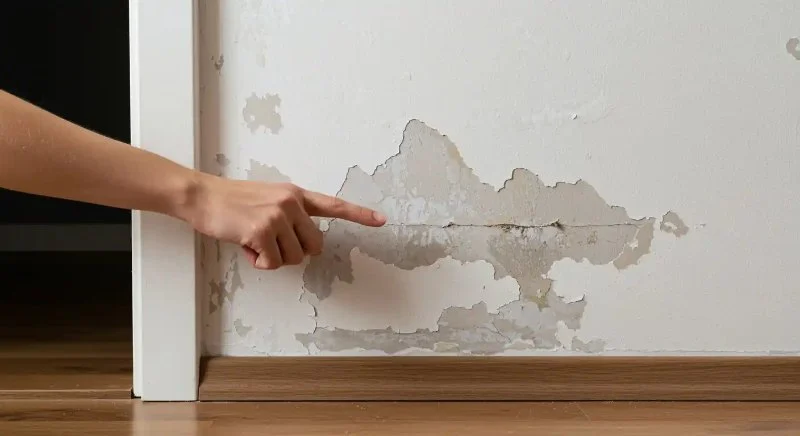
A common mistake is repairing only the visible area. Painting over a water stain or replacing damaged wallpaper without addressing the moisture source can trap water inside the structure. Over time, this can lead to unpleasant odors, weakened materials, and indoor air quality problems.
Drip Restoration / valleywide restoration mesa az
932 S Stapley Dr, Mesa, AZ 85204, USA
Common Causes of Interior Water Damage
Before beginning repairs, it is important to identify what caused the damage. Common causes include:
- 1. Burst or leaking plumbing pipes
- 2. Roof leaks caused by storms or damaged roofing materials
- 3. Flooding from heavy rain or drainage failures
- 4. Overflowing sinks, toilets, washing machines, or water heaters
- 5. Poor ventilation causing long-term moisture buildup
- 6. Foundation leaks allowing groundwater intrusion
Every repair project starts with controlling the source. Fixing damaged drywall or flooring before stopping the water problem usually results in repeated repairs.
2. Stop the Water Source Before Repairing Interior Damage
The first step in any water damage restoration process is stopping additional moisture from entering the building. Even the best repair techniques will fail if the source of water remains active.
Immediate Steps Homeowners Can Take
If the source is safe to access, homeowners should take immediate action. This may include shutting off the main water supply, turning off leaking appliances, moving furniture away from wet areas, and removing standing water when possible.
Electrical safety is especially important. Water near electrical outlets, wiring, or electrical panels creates serious risks. If water has reached electrical systems, professional evaluation may be necessary before cleanup begins.
Documenting the Damage Before Cleanup
Taking photographs and recording affected areas can be useful for insurance claims and future repairs. Document ceiling stains, damaged flooring, swollen doors, peeling paint, and visible mold growth before removing materials.
A detailed record also helps restoration professionals understand how far the moisture may have traveled. At Reliable Damage Hub, homeowners can find guidance and solutions designed to help them better understand interior damage situations and make informed restoration decisions.
3. Inspecting Walls, Ceilings, and Floors After Water Exposure
A proper inspection is one of the most important parts of learning how to fix water damage to building interiors. Visible damage only shows part of the problem. Moisture often hides behind walls, under flooring, or above ceilings.
Checking Drywall and Interior Walls
Drywall absorbs water quickly. Signs of damage may include:
- 1. Soft or swollen areas
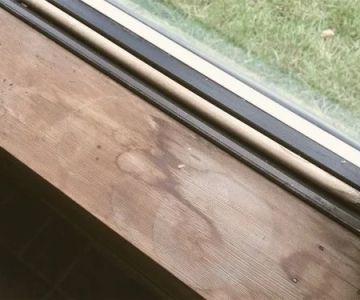
- 2. Discoloration or yellow stains
- 3. Peeling paint or bubbling surfaces
- 4. Musty smells
- 5. Cracks appearing after drying
Small areas of drywall damage may sometimes be repaired after complete drying. However, heavily saturated drywall often needs replacement because its internal structure loses strength.
Examining Ceilings and Upper-Level Damage
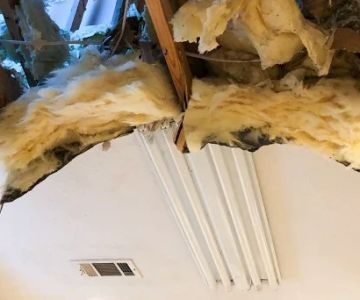
Ceiling damage requires careful inspection because trapped water can create hidden pockets above the surface. A ceiling stain may represent a much larger moisture issue than the visible mark suggests.
In some cases, water collects above ceiling materials before eventually creating a sudden leak. Removing damaged sections carefully can prevent unexpected collapse and allow trapped moisture to escape.
Evaluating Flooring Systems
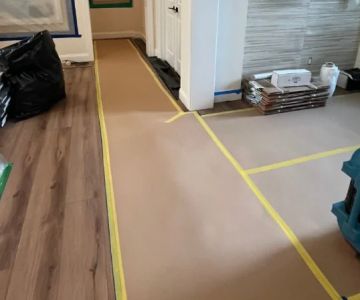
Floor repairs depend heavily on the type of flooring installed. Hardwood may warp, laminate can separate, carpet can hold moisture, and tile systems may experience damage underneath the surface.
For example, a homeowner may see only a small wet spot on carpet after a pipe leak. However, the padding underneath may remain saturated for days, creating a hidden environment for mold growth.
4. Proper Drying Techniques for Water-Damaged Interiors
Drying is one of the most important stages when repairing water damage inside a building. Removing visible water is not enough. The goal is to reduce moisture levels inside materials and prevent secondary damage.
Creating Air Movement and Reducing Humidity
Fans, dehumidifiers, and ventilation systems help move moisture out of affected areas. Air circulation speeds evaporation while dehumidification removes moisture from the surrounding environment.
Simply opening windows may not always solve the problem. In humid climates, outside air can sometimes add more moisture instead of removing it.
Monitoring Moisture Levels
Professional restoration teams often use moisture meters to determine whether materials are truly dry. A surface may feel dry while deeper layers remain wet.
This is particularly important for:
- 1. Wall cavities
- 2. Wood framing
- 3. Subfloor materials
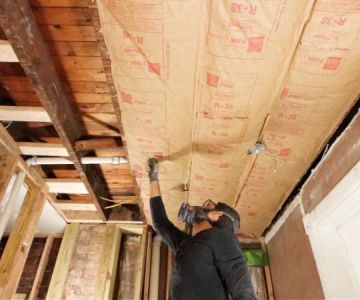
- 4. Insulation
- 5. Cabinet interiors
A Realistic Example of Hidden Moisture Problems
A homeowner in Florida discovered a small stain near the bottom of a bedroom wall. Initially, it appeared to be a minor paint issue. After inspection, the cause was found to be a slow plumbing leak behind the wall. The drywall surface was repaired quickly, but the insulation and wooden framing required additional drying because moisture had traveled internally.
This type of situation shows why proper inspection matters. Treating only the visible damage can leave hidden problems behind.
 HouseFix, Inc.5.0 (6 reviews)
 Arrow Home Improvement5.0 (1 reviews)
 Caldwell5.0 (15 reviews)
 Rainbow International of Linden5.0 (2 reviews)
 JL Home Builders5.0 (11 reviews)
 PuroClean Certified Restoration Specialists4.0 (169 reviews)
 How to Prevent Water Damage from Water Heaters and Boilers
 How to Handle Water Damage After a Broken Pipe Burst
 How to Handle Water Damage from Washing Machines: Effective Solutions and Prevention
 How to Handle Water Damage from a Broken Washing Machine Hose
 How to Restore Water-Damaged Photos and Important Papers Safely
 The Hidden Costs of Water Damage: What Homeowners Often Overlook