
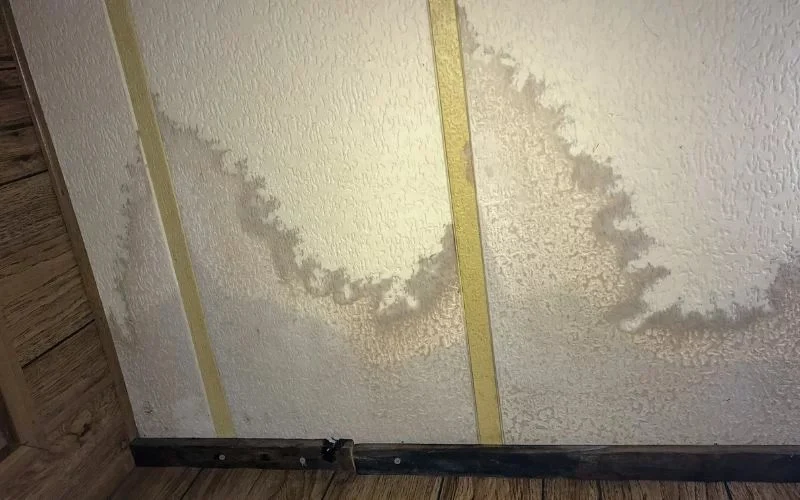
Identifying Water Damage in Walls
Water damage in walls can cause significant harm to your home’s structure if left unnoticed. Recognizing the early signs of water damage can save you time, money, and stress. Here’s how to spot water damage in your walls before it gets worse.
1. Discoloration and Stains
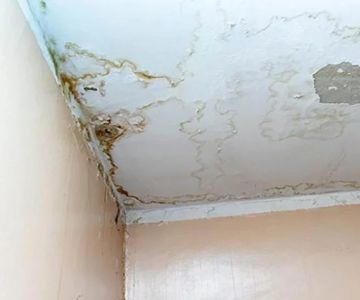
If you notice brown or yellow stains on your walls, it’s likely that water is seeping through. These stains are a clear indicator of leaks in the roof or plumbing system above or behind the wall.
2. Peeling or Bubbling Paint and Wallpaper
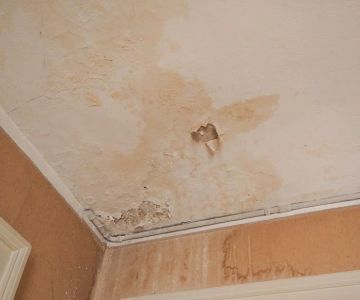
When water infiltrates the walls, it can cause the paint or wallpaper to bubble or peel. This is a sign that moisture is trapped behind the surface, weakening the adhesive and causing it to detach.
3. Dampness or Musty Smell
A damp or musty odor in the room is a common symptom of water damage. If your walls feel damp to the touch or you detect a moldy smell, it may be a sign of water infiltration behind the walls.
4. Warped or Swollen Walls
Water damage can cause the wall material to warp, swell, or become soft. This is particularly noticeable on drywall, which absorbs moisture and begins to deform as it gets saturated.
How to Prevent Water Damage in Your Walls
1. Maintain Your Roof and Gutters
Ensure that your roof and gutters are in good condition. Clogged gutters and damaged roofing materials are the leading causes of water damage to walls. Regularly clean and inspect your gutters to prevent water from overflowing and causing leaks.
2. Fix Leaky Pipes and Plumbing
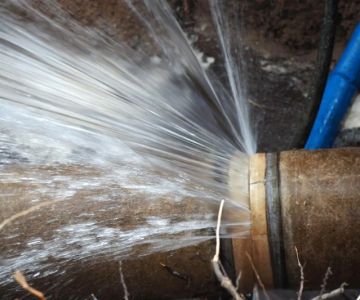
Leaky pipes inside your walls are a common cause of water damage. Check for visible leaks around faucets and under sinks, and repair any issues immediately. If you suspect a hidden leak behind the walls, consider hiring a professional to inspect and repair the plumbing system.
3. Insulate Pipes to Prevent Freezing
During the colder months, frozen pipes can burst, causing significant water damage. Insulate your pipes in unheated areas like basements, attics, and garages to prevent freezing. A small investment in pipe insulation can prevent costly repairs in the future.
4. Seal Windows and Doors Properly
Improperly sealed windows and doors allow rainwater to seep in, causing moisture damage to the surrounding walls. Inspect the seals around your windows and doors regularly, and replace weatherstripping or caulk when necessary.
Repairing Water-Damaged Walls
If you’ve already noticed water damage in your walls, here’s what to do to repair it:
1. Dry the Area
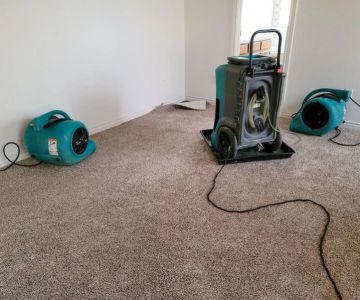
Before making any repairs, it’s important to dry the affected area completely. Use fans, dehumidifiers, and proper ventilation to ensure that all moisture is removed from the walls. This will prevent mold growth and further damage.
2. Remove Damaged Wall Material
If the wall has become soft, warped, or moldy, it’s best to remove the damaged drywall or plaster. Cut out any wet or deteriorated material, and allow the area to dry thoroughly before replacing it.
3. Treat Mold and Mildew
If mold or mildew has started to grow, treat the area with a mold-killing solution before repairing the wall. You can use store-bought mold removers or create a solution with water and vinegar. Make sure the surface is clean and dry before reapplying wall material.
4. Replace and Repaint
After the area has dried and mold has been treated, you can replace the damaged drywall and repaint the wall. Choose a mold-resistant paint to help prevent future water damage.
When to Call Professional Help
If you’re dealing with extensive water damage, it may be time to call a professional. Water damage repair can be complex, and experts will be able to identify hidden leaks and moisture behind your walls. They can also ensure that mold remediation is done properly, preventing health issues in your home.
Why Choose Reliable Damage Hub?
At Reliable Damage Hub, we specialize in providing expert advice and solutions for water damage prevention and repair. If you’ve noticed signs of water damage in your walls, our team of professionals can help you assess the situation, repair the damage, and prevent further issues. Visit our website for more information and resources on maintaining a dry and safe home.
 Real Steamers4.0 (383 reviews)
 Matt Weyand Repairs & Renovations LLC5.0 (137 reviews)
 Infinity Restoration And Remodeling Inc4.0 (3 reviews)
 Jeffers Fire and Flood Restoration4.0 (24 reviews)
 Cardinal Reconstruction5.0 (38 reviews)
 JES Foundation Repair4.0 (2149 reviews)
 How to Prevent Water Damage from Excessive Humidity in Your Home | Reliable Damage Hub
 How to Handle Water Damage from Basement Condensation
 The Key Steps in Water Damage Restoration: What to Expect
 How to Handle Water Damage After a Flood: A Homeowner’s Checklist
 How to Restore Water-Damaged Kitchen Cabinets - Step-by-Step Guide
 Water Damage Restoration for Commercial Kitchens