
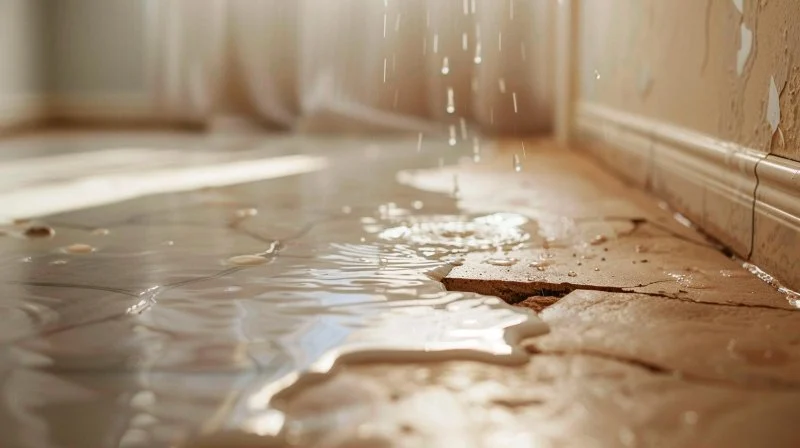
- Understanding Storm Water Damage
- Storm-Proofing Your Home
- Effective Drainage Solutions
- Waterproofing Techniques for Basements
- Real-Life Storm Damage Prevention Stories
1. Understanding Storm Water Damage
Storm water damage can occur in various ways, from flooding to roof leaks. Heavy rains and winds during a storm can overwhelm drainage systems and cause water to seep into your home. Areas most vulnerable to water damage include basements, attics, windows, and doorways. It’s crucial to understand how storms affect your home and take the necessary precautions to minimize damage.
When rainwater accumulates rapidly, the excess water can cause flooding, especially in low-lying areas. Additionally, if your home has existing leaks or vulnerabilities, stormwater can seep through cracks, compromising the integrity of your home’s structure. These issues can lead to costly repairs and health hazards due to mold growth and weakened materials.
2. Storm-Proofing Your Home
To protect your home from water damage caused by storms, it’s essential to take proactive steps to storm-proof your property. Below are some key tips to help you prevent stormwater damage:
- Inspect and Repair the Roof: Your roof is one of the first lines of defense against stormwater. Ensure that it is in good condition by checking for missing or damaged shingles, leaks, and blockages in gutters and downspouts. Regular roof maintenance can prevent water from entering your home during heavy rain.
- Seal Windows and Doors: Ensure that all windows and doors are properly sealed to prevent water from seeping in. Weatherstripping and caulking around windows and doors can significantly reduce the risk of stormwater damage.
- Install Storm Shutters: Storm shutters are an excellent way to protect your home’s windows from high winds and rain. These shutters prevent debris from breaking windows and allow you to safeguard your property before a storm arrives.
- Strengthen the Foundation: Cracks in your home’s foundation can lead to water leakage during storms. Seal any visible cracks or gaps around the foundation to prevent water from entering your home.
3. Effective Drainage Solutions
One of the most important measures to prevent water damage is ensuring that your home’s drainage system is functioning properly. Here are some key drainage solutions:
- Install French Drains: French drains are an effective way to redirect water away from your home’s foundation. These systems collect water and channel it away from the property to prevent flooding.
- Maintain Gutters and Downspouts: Clogged gutters and downspouts can cause water to overflow and pool around your home’s foundation. Clean them regularly and make sure that downspouts are directed at least three feet away from the foundation.
- Check Your Sump Pump: If you have a basement, make sure your sump pump is in good working order. Sump pumps help prevent basement flooding by redirecting excess water to the outside. Test your sump pump regularly and replace the battery backup if necessary.
4. Waterproofing Techniques for Basements
Basements are particularly susceptible to water damage during storms due to their below-ground nature. To protect your basement, consider implementing these waterproofing techniques:
- Install a Vapor Barrier: A vapor barrier helps prevent moisture from entering the basement through the walls and floors. This is an essential step to reduce humidity and prevent mold growth.
- Waterproof Basement Walls: Apply a waterproof coating to your basement walls to prevent water from seeping through. This can be especially useful for older homes with porous walls.
- Improve Ventilation: Proper ventilation is crucial in basements to keep humidity levels in check. Use exhaust fans or dehumidifiers to maintain a dry and well-ventilated space.
5. Real-Life Storm Damage Prevention Stories
Many homeowners have shared their experiences of preventing water damage during storms by taking the right precautions. For example, one homeowner in New Orleans implemented a series of floodproofing measures, including installing sump pumps, reinforcing their foundation, and improving drainage around the property. As a result, they avoided significant water damage during a heavy storm season.
Another story comes from a family in Florida who invested in storm shutters and waterproofed their basement ahead of hurricane season. These preparations not only protected their home during the storm but also saved them thousands of dollars in potential repairs.
These real-life success stories show the importance of taking proactive steps to prevent water damage before a storm hits. Proper preparation can make all the difference in protecting your home and property.
 Aquaman Lawn Sprinklers5.0 (27 reviews)
 Wall 2 wall painting And Powerwashing4.0 (3 reviews)
 Renagade Water Damage Express4.0 (17 reviews)
 MCT Carpet Care5.0 (1175 reviews)
 Pure Maintenance4.0 (321 reviews)
 SERVPRO of North Leon County4.0 (91 reviews)
 Water Damage Restoration for Industrial Offices
 What to Do If Your Water Damage Is Caused by an Appliance: Step-by-Step Guide
 How to Prevent Water Damage from Heavy Snowmelt
 How to Restore Water-Damaged Books and Papers: Expert Tips
 What You Need to Know About Water Damage in Your Car
 How to Handle Water Damage From Burst Water Heaters: A Step-by-Step Guide