
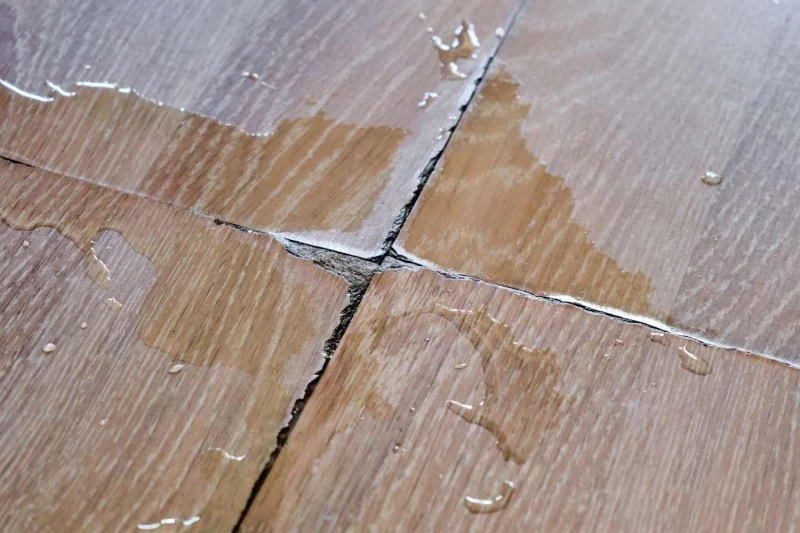
Water Damage Repair for Hardwood and Laminate Floors
Water damage is one of the most common and frustrating issues homeowners face when it comes to flooring. Whether it's due to flooding, leaks, or spills, water can severely damage both hardwood and laminate floors. While water damage can seem like a daunting issue, with the right tools and knowledge, it can often be repaired effectively. In this article, we will guide you through the process of repairing water damage on hardwood and laminate floors, helping you understand the methods, tools, and when it’s time to call in the experts.
SERVPRO of Pompano Beach / servpro fort lauderdale south
Pompano BeachBroward CountyFlorida
2101 NW 33rd St #200a, Pompano Beach, FL 33069, USA
1. Common Causes of Water Damage on Floors
Before diving into repair methods, it’s important to understand the various causes of water damage. By recognizing the source of the problem, you can address the underlying issue and prevent further damage. Here are some common culprits:
Drip Restoration / valleywide restoration mesa az
932 S Stapley Dr, Mesa, AZ 85204, USA
Leaking Pipes
Leaking pipes, especially those beneath the floor or in walls, are a common cause of water damage. These leaks can go unnoticed for long periods, causing gradual damage to both hardwood and laminate floors. By the time you notice the issue, the floors may have already absorbed significant moisture.
Flooding and Excessive Spills
Flooding caused by storms, burst water mains, or accidents in the home can lead to immediate and severe water damage. Laminate and hardwood floors are particularly vulnerable to flooding, as the water seeps into the seams or cracks, leading to swelling, warping, or discoloration.
Excessive Humidity
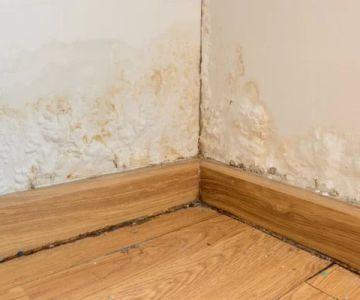
High humidity levels, especially in basements or bathrooms, can cause the floors to absorb moisture slowly over time, leading to gradual damage. This can lead to warping or cupping in hardwood floors, as the wood expands due to the moisture it absorbs.
2. Repairing Water-Damaged Hardwood Floors
Repairing hardwood floors that have been damaged by water requires a careful approach. While minor damage might be manageable, more severe cases could require professional assistance. Here’s how to repair water-damaged hardwood floors:
Step 1: Identify the Extent of the Damage
Before you start the repair process, it’s essential to assess how badly the floor has been damaged. Minor surface water damage, such as discoloration, can often be sanded out. However, if the wood has swollen or warped, you may need to replace the affected boards. Use a moisture meter to check how much water has been absorbed into the wood.
Step 2: Dry the Area
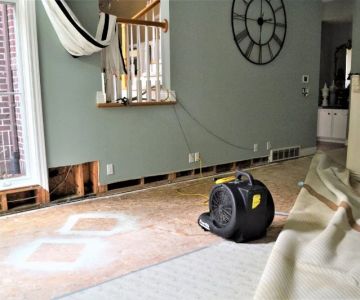
Proper drying is key to stopping further damage. Use fans and dehumidifiers to reduce moisture levels. If the damage is severe, consider using a wet/dry vacuum to extract as much water as possible. Be sure to dry the area thoroughly to prevent mold and mildew growth.
Step 3: Sanding and Refinishing the Floor
If the wood is only lightly damaged, sanding can often restore its original look. Use a floor sander to remove the damaged top layer of the wood. Once you’ve sanded the area smooth, apply a fresh coat of stain and finish to protect the wood and restore its appearance.
3. Repairing Water-Damaged Laminate Floors
Laminate floors are more resistant to moisture than hardwood, but they can still be damaged when exposed to water for extended periods. Here’s how to address water damage in laminate flooring:
Step 1: Check for Warping and Swelling
Unlike hardwood, laminate floors don’t absorb water in the same way, but they can still suffer from warping or swelling at the edges. Check if the boards are lifting or showing signs of expansion. If the laminate has swollen but isn’t too badly warped, you might be able to save the flooring by allowing it to dry out completely.
Step 2: Replace Damaged Boards
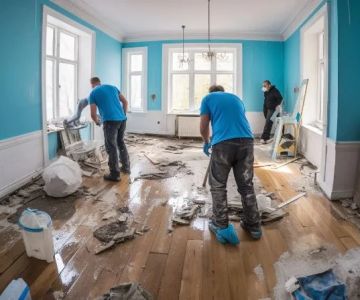
If the laminate has been damaged beyond repair, you will need to replace the affected boards. Fortunately, replacing individual laminate planks is often easier and cheaper than replacing an entire floor. Simply lift the damaged boards and replace them with new ones, making sure they match the existing flooring as closely as possible.
Step 3: Prevention and Future Maintenance
To prevent future water damage to laminate floors, ensure that all spills are cleaned up promptly. Consider using waterproof mats or rugs in high-risk areas such as kitchens, bathrooms, and basements. Regularly check for signs of water damage, such as warping or discoloration, and address any issues before they worsen.
4. When to Call a Professional
While small water damage issues can be handled on your own, some situations may require the expertise of a professional. If your floors are severely warped, swollen, or if the water damage has gone unnoticed for a long period, it’s best to call in a specialist. Professionals have the necessary tools, expertise, and experience to perform repairs that restore the integrity of your floors.
5. Find Expert Repair Services at Reliable Damage Hub
If you’re dealing with water damage to your hardwood or laminate floors, visit Reliable Damage Hub for professional repair services. Our experts can help restore your floors to their original condition with high-quality repairs and advice on preventing future damage.
 Good Roads Water Damage Experts5.0 (1 reviews)
 R&R Foundation Specialist4.0 (305 reviews)
 MJ White4.0 (102 reviews)
 ATI Restoration3.0 (25 reviews)
 Modernistic4.0 (251 reviews)
 ServiceMaster Cleaning Services4.0 (27 reviews)
 Water Damage Restoration for Retail Spaces – Expert Tips and Real Cases
 How to Prevent and Repair Water Damage in Commercial Properties
 How to Protect Your Home’s Electrical System from Water Damage: Essential Tips
 Flooded Basement? Here’s How to Restore It Safely
 How to Handle Water Damage After a Storm: A Step-by-Step Guide
 How to Handle Water Damage from Burst Pipes: A Step-by-Step Guide