
How to Prevent Water Damage from Excessive Humidity in Your Home
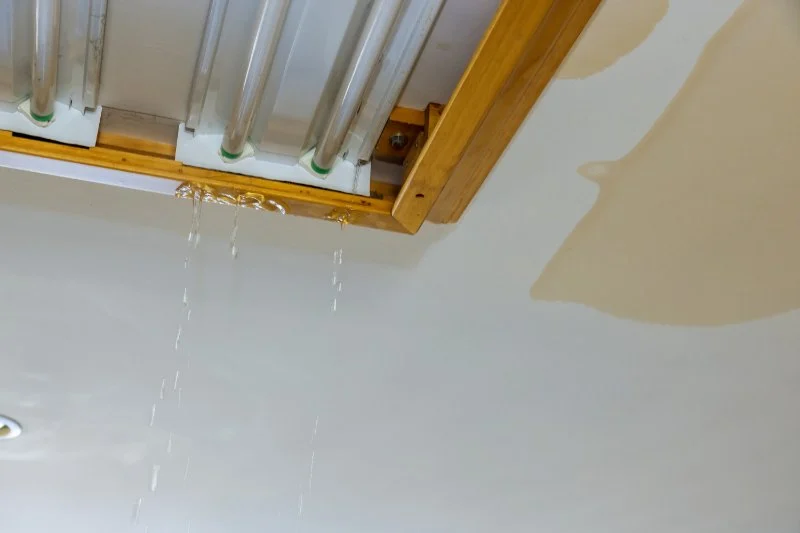
Excessive humidity can be a hidden cause of water damage in your home, leading to problems such as mold growth, peeling paint, and even structural damage. Learning how to manage humidity levels and prevent water damage is essential for maintaining a healthy and safe living environment. In this article, we will discuss how to prevent water damage caused by humidity, the signs to look out for, and the best practices for controlling moisture in your home.
- Why Humidity Causes Water Damage
- How to Control Humidity in Your Home
- Tools to Reduce Humidity and Moisture
- Common Signs of Water Damage from Humidity
1. Why Humidity Causes Water Damage
Humidity occurs when there is excess moisture in the air. When humidity levels in your home rise beyond a certain threshold, it can lead to water damage. High humidity makes it harder for surfaces to dry out, which can result in moisture buildup that leads to structural issues, mold growth, and other types of water damage.
Giants / dry kings restoration of san francisco
San FranciscoSan Francisco CountyCalifornia
685 Geary Blvd, San Francisco, CA 94102, USA
Moisture Accumulation on Surfaces
When humidity is too high, water droplets can form on windows, walls, and ceilings. Over time, this moisture can seep into building materials like drywall, wood, and insulation. If these materials remain damp for extended periods, they may become weakened, leading to potential water damage and the growth of mold or mildew.
SERVPRO of Pompano Beach / servpro fort lauderdale south
Pompano BeachBroward CountyFlorida
2101 NW 33rd St #200a, Pompano Beach, FL 33069, USA
Mold Growth
One of the most common and harmful consequences of excessive humidity is mold growth. Mold thrives in damp, humid environments, and can quickly spread throughout your home if left unchecked. Not only does mold cause unsightly stains and odors, but it can also pose serious health risks, particularly for individuals with allergies or respiratory issues.
2. How to Control Humidity in Your Home
Maintaining an optimal humidity level in your home is crucial for preventing water damage. Here are some effective strategies to control humidity and keep moisture levels in check:
Use a Dehumidifier
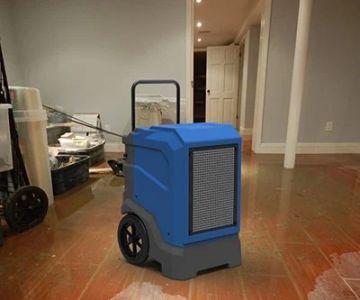
One of the best ways to control humidity is by using a dehumidifier. Dehumidifiers work by drawing moisture from the air, which can help reduce the overall humidity levels in your home. These devices are especially useful in areas prone to excess moisture, such as basements, bathrooms, and kitchens. Investing in a high-quality dehumidifier can be an excellent way to prevent water damage from humidity.
Improve Ventilation
Good ventilation is key to reducing humidity in your home. Ensure that your home is well-ventilated, especially in areas like the kitchen and bathroom where humidity levels are naturally higher due to cooking and showering. Open windows, use exhaust fans, and consider installing a ventilation system to keep air circulating and moisture levels down.
Seal Gaps and Cracks
Humidity can also enter your home through gaps and cracks in windows, doors, and walls. Check for any areas where moisture may be leaking in and seal them using weatherstripping or caulking. This simple step can help prevent excess moisture from entering your living space and causing humidity-related water damage.
3. Tools to Reduce Humidity and Moisture
Several tools and appliances can help you manage humidity and moisture levels effectively. Here are some of the most common options:
1. Hygrometer
A hygrometer is a tool used to measure the humidity levels in your home. By monitoring the humidity regularly, you can ensure that your home stays within the ideal range of 30-50% humidity. If the levels exceed this range, it's time to take action and implement some of the moisture control strategies mentioned earlier.
2. Dehumidifiers
As mentioned before, dehumidifiers are one of the most effective ways to reduce excess humidity in your home. There are various types of dehumidifiers available, from portable units to whole-house systems. Choose the one that best suits your needs based on the size of the area you're trying to control and the humidity levels in your home.
3. Air Conditioners
Air conditioners not only cool the air but also help reduce humidity. When the air conditioner runs, it removes moisture from the air as part of the cooling process. This makes air conditioners a great tool for maintaining comfortable humidity levels in your home, especially during hot, humid weather.
4. Common Signs of Water Damage from Humidity
It’s important to keep an eye out for signs of water damage caused by excessive humidity. Catching these issues early can prevent more serious damage down the line. Here are some common signs to look for:
1. Mold and Mildew Growth
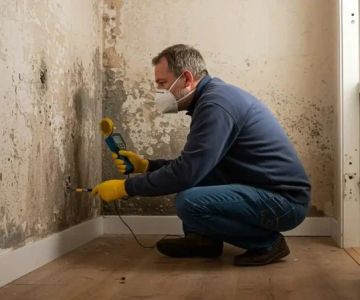
As mentioned earlier, mold and mildew thrive in humid environments. If you notice a musty odor, visible mold, or mildew spots on walls, ceilings, or furniture, it's a clear sign that excessive humidity is causing damage. Addressing the humidity source and cleaning the affected areas promptly can help prevent further spread.
2. Peeling or Bubbling Paint
Excess moisture can cause paint to peel or bubble. If you notice these issues on your walls or ceilings, it's a sign that humidity is damaging the paint and underlying surfaces. Repairing the moisture source and repainting the affected areas will be necessary to restore your home’s appearance.
3. Water Stains
Water stains on walls, ceilings, or floors are often a sign of water damage from excessive humidity. These stains can range from small spots to larger patches that indicate water is seeping into the material. If left untreated, water stains can lead to further deterioration of your home’s structure.
For more information on preventing water damage and managing humidity in your home, visit Reliable Damage Hub for expert tips, tools, and services designed to protect your property from moisture-related damage.
 GT Home Services5.0 (5 reviews)
 J.B. Gray's Family Steam Cleaning5.0 (14 reviews)
 W.B. Arthur4.0 (38 reviews)
 RB Restoration & Waterproofing LLC5.0 (2 reviews)
 Servpro of Lake Forest South & Laguna Woods4.0 (44 reviews)
 USA Restoration Pros of Williamson County0.0 (0 reviews)
 Water Damage from Piping Leaks: What to Do and How to Prevent It
 Water Damage Repair for Drywall and Plaster
 How to Protect Your Home from Water Damage in the Winter Months
 How to Prevent Water Damage from Overflowing Toilets – Key Tips and Solutions
 Water Damage Restoration for High-Rise Buildings: Key Insights & Solutions
 How to Deal with Water Damage Caused by Heavy Rainfall