
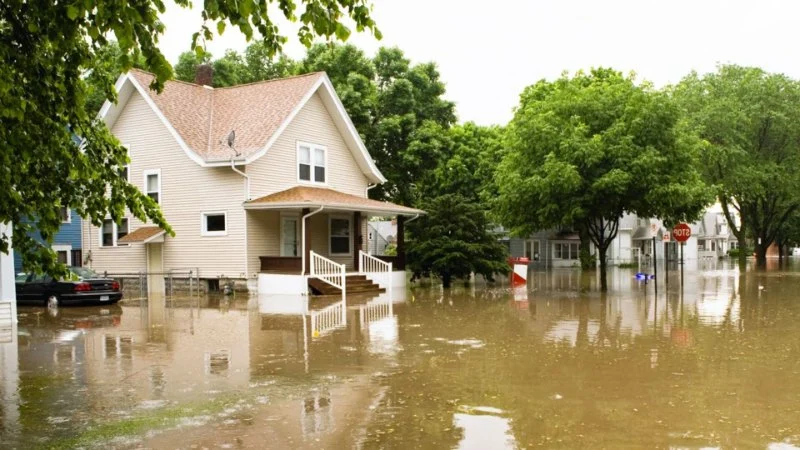
- prioritize-safety-first
- document-and-contact-insurance
- start-emergency-water-removal
- drying-and-mold-prevention
- repair-and-restore-your-home
- building-a-future-prevention-plan
1. Prioritize Safety First
Understanding how to handle water damage after a flood begins with one critical rule: safety comes before property. Floodwater is often contaminated with sewage, chemicals, and debris. Before stepping back into your home, pause and assess the situation carefully.
SERVPRO of Pompano Beach / servpro fort lauderdale south
Pompano BeachBroward CountyFlorida
2101 NW 33rd St #200a, Pompano Beach, FL 33069, USA
1.1 Evaluate Structural Stability
Flooding can weaken foundations, warp flooring, and damage load-bearing walls. If doors stick unusually or floors feel unstable, structural integrity may be compromised. In severe cases, professional inspection is necessary before re-entry.
1.2 Shut Off Utilities
1. Turn off electricity at the main breaker if it is safe to do so.
2. Shut off gas lines if you suspect leaks.
3. Avoid standing water near electrical outlets or appliances.
1.3 Use Protective Gear
Water damage restoration professionals always wear rubber boots, gloves, and masks. Homeowners should follow the same precautions to reduce exposure to bacteria and harmful contaminants.
2. Document and Contact Insurance Immediately
One of the most overlooked steps in flood damage cleanup is thorough documentation. Acting quickly protects your financial recovery as much as your physical property.
2.1 Capture Detailed Evidence
Take wide-angle photos of each room, then close-up images of damaged items. Record video walkthroughs to document the full scope of water damage after a flood. Do not discard damaged materials until your insurance adjuster reviews them.
2.2 Understand Your Coverage
Flood insurance policies differ significantly from standard homeowner policies. Many Americans learned this the hard way during Hurricane Harvey in Texas, when thousands discovered that flood damage required separate coverage. Reviewing your policy carefully helps avoid unexpected surprises.
2.3 File Claims Promptly
Delays in filing can complicate reimbursement. Provide organized documentation and keep communication records. Clear documentation often speeds up the flood restoration services approval process.
3. Begin Emergency Water Removal
Time is your biggest enemy after a flood. The first 24 to 48 hours are crucial in minimizing long-term damage.
3.1 Remove Standing Water
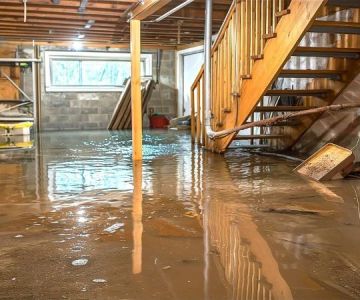
Emergency water removal typically involves pumps, wet vacuums, and industrial extraction tools. While small amounts of water can sometimes be managed with consumer equipment, large-scale flooding requires professional-grade machinery.
3.1.1 Why Speed Matters
The longer water sits, the deeper it penetrates into subfloors, drywall, and insulation. Rapid removal significantly reduces structural deterioration and repair costs.
3.2 Salvage What You Can
Move furniture, rugs, and personal belongings to dry areas. Items like solid wood furniture may be restorable, while particle board often swells beyond repair.
3.3 A Real-Life Example
After severe flooding in Louisiana, one homeowner immediately hired water damage restoration professionals within hours of the water receding. Because extraction began quickly, mold growth was prevented, and most hardwood flooring was preserved. Neighbors who waited several days faced extensive mold remediation and full flooring replacement.
4. Thorough Drying and Mold Prevention
Flood damage cleanup does not end once visible water is gone. Moisture lingers in walls, crawl spaces, and air pockets.
4.1 Industrial Drying Techniques
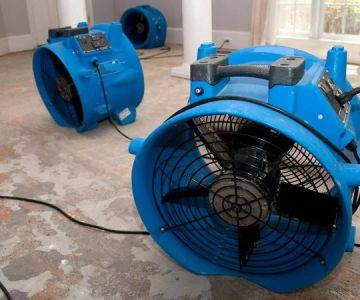
Professionals use high-powered air movers and dehumidifiers to accelerate evaporation. Moisture meters help verify that hidden dampness is eliminated before repairs begin.
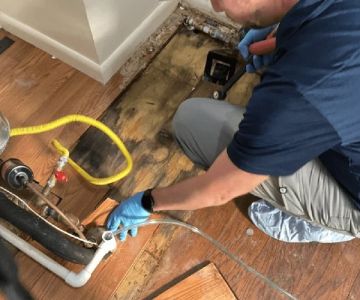
4.2 Remove Contaminated Materials
1. Wet drywall often requires removal up to several inches above the waterline.
2. Insulation usually must be discarded if saturated.
3. Carpeting and padding frequently require replacement.
4.3 Prevent Mold Before It Starts
Mold can develop within 24 to 48 hours in damp environments. Applying antimicrobial treatments and maintaining continuous airflow reduces the risk. Mold prevention after flood events is not optional—it is essential for long-term indoor air quality.
5. Repair and Restore Your Living Space
Once your home is fully dry, restoration begins. This stage transforms a damaged property back into a safe, comfortable living environment.
5.1 Structural Repairs
Damaged framing, subflooring, and drywall must be professionally repaired to restore stability. Cutting corners at this stage often leads to recurring issues months later.
5.2 Cosmetic Restoration
Painting, flooring replacement, and cabinetry installation follow structural work. Many homeowners use this opportunity to upgrade materials with more water-resistant options.
5.3 Choosing Trusted Resources
Navigating home flood repair decisions can feel overwhelming. Reliable Damage Hub provides helpful guidance on comparing flood restoration services, selecting moisture-resistant materials, and finding reputable contractors across the United States. Having reliable information reduces stress during an already difficult time.
6. Build a Future Prevention Plan
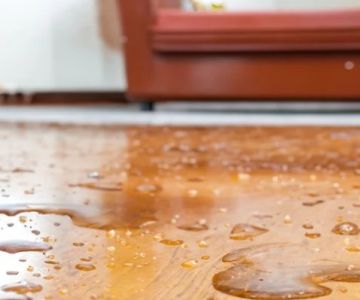
Experiencing water damage after a flood is exhausting, but it also offers valuable lessons for long-term preparedness.
6.1 Improve Drainage and Landscaping
Ensure gutters and downspouts direct water away from your foundation. Consider grading adjustments to prevent pooling around your home.
6.2 Install Protective Systems
1. Sump pumps with battery backups.
2. Backflow valves to prevent sewer intrusion.
3. Water leak detection systems for early alerts.
6.3 Reassess Insurance Coverage
After restoration, review your flood insurance limits to ensure adequate protection for the future. Updated coverage provides peace of mind when severe weather strikes again.
Handling flood damage requires urgency, organization, and informed decision-making. By acting quickly, documenting thoroughly, investing in professional water damage restoration, and implementing prevention strategies, homeowners can recover stronger and more resilient than before.
 BrightWise Handyman Services5.0 (17 reviews)
 Restoration Professionals Inc.4.0 (125 reviews)
 North Miami Beach Supreme Mold Removal4.0 (3 reviews)
 EcoTreck Environmental4.0 (59 reviews)
 The Best Air Quality & Restoration4.0 (98 reviews)
 DRT - Disaster Recovery Team4.0 (23 reviews)
 How to Prevent Water Damage in Your Home: Expert Tips for Protection
 Signs You Need Immediate Water Damage Repair: Quick Action Tips
 Can I Repair Water Damage Myself? Here’s What You Should Know
 Water Damage Restoration for Hospitals and Clinics – Essential Solutions
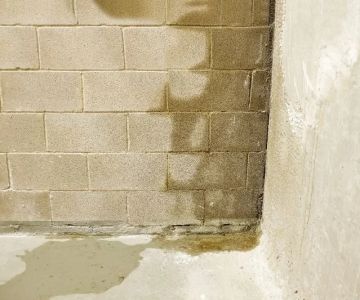
 How to Remove Mold After Water Damage
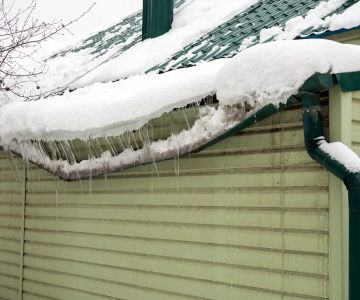
 How to Prevent Water Damage From Clogged Gutters