
- 1-Understanding Water Damage in Commercial Kitchens
- 2-Common Causes of Water Damage in Kitchens
- 3-Immediate Steps for Handling Water Damage in Kitchens
- 4-Water Damage Restoration Process for Commercial Kitchens
- 5-Preventing Future Water Damage in Commercial Kitchens
1. Understanding Water Damage in Commercial Kitchens
Water damage in a commercial kitchen can disrupt daily operations, cause expensive repairs, and potentially lead to health hazards. Kitchens are particularly prone to water damage due to the constant presence of water, steam, and grease. Identifying and addressing water damage quickly is crucial to preventing further harm to the property and ensuring the safety and functionality of your kitchen.

Kustom US Restoration / kustom restoration
1215 W Houston Ave Suite A, Gilbert, AZ 85233, USA
1.1 Why Water Damage Is a Major Concern in Commercial Kitchens
In a commercial kitchen, water damage can result from flooding, leaks, or spills. If not addressed immediately, this damage can affect kitchen equipment, the structure of the building, and even inventory. Additionally, prolonged water exposure can lead to mold growth, which is a serious health risk in food establishments. Prompt restoration is essential to minimize downtime and avoid expensive repair bills.

Wizard Restorations Inc / puroclean of san fernando
Rancho CucamongaSan Bernardino CountyCalifornia
10245 8th St, Rancho Cucamonga, CA 91730, USA
1.2 The Consequences of Untreated Water Damage
If left untreated, water damage can spread quickly and cause further issues. Wooden structures may rot, walls and ceilings may warp, and commercial appliances can malfunction. Moreover, damaged flooring, especially in high-traffic areas, may need complete replacement. Timely water damage restoration prevents these problems and restores your kitchen to a safe, functional condition.
2. Common Causes of Water Damage in Kitchens
Understanding the sources of water damage in commercial kitchens can help you prevent future incidents. Below are the most common causes of water damage that restaurant owners and kitchen managers should be aware of:
2.1 Leaky Pipes and Plumbing Issues
Leaking pipes are one of the most frequent causes of water damage in commercial kitchens. Over time, pipes can corrode or become loose, leading to leaks behind walls, under sinks, or within the ceiling. These leaks can slowly damage the kitchen’s infrastructure, and in some cases, the damage may go unnoticed until it’s too late.
2.2 HVAC System Malfunctions
In commercial kitchens, HVAC systems are crucial for controlling temperature and humidity. When these systems fail or become clogged, condensation can build up, leading to water pooling on kitchen floors or around walls. Regular maintenance is essential to ensure the HVAC system is working properly and not causing water damage in hidden areas.
2.3 Roof Leaks
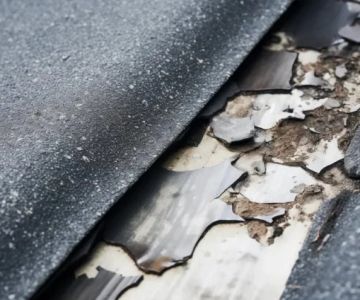
Leaky roofs can lead to water infiltration in any part of the building, including the kitchen. Roof leaks are often caused by damaged shingles, poor roof maintenance, or severe weather conditions. Once water begins to seep through the roof, it can travel down walls and ceilings, damaging kitchen equipment, electrical systems, and floors.
2.4 Dishwashing and Sink Overflows
Dishwashing areas and sinks in commercial kitchens are prone to overflows, especially if drains become clogged or plumbing connections fail. These overflows can spread water across the kitchen floor and into surrounding areas, leading to potential water damage. Routine inspections and proper maintenance can prevent these problems from becoming a major issue.
3. Immediate Steps for Handling Water Damage in Kitchens
If your commercial kitchen experiences water damage, it’s essential to take quick action to minimize the impact. Here are the first steps you should take:
3.1 Turn Off the Water Supply
Immediately turn off the water supply to prevent further water damage. This could involve shutting off the main water valve or disconnecting any equipment that is causing the leak. By stopping the flow of water, you can prevent additional damage and reduce the chances of spreading the water to other parts of the kitchen.
3.2 Remove Standing Water
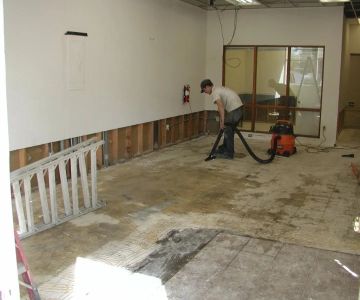
Once the water supply is turned off, begin removing any standing water. Use industrial vacuums or mops to clear as much water as possible. The faster you act, the less time the water has to seep into walls, flooring, and kitchen equipment.
3.3 Inspect for Hidden Damage
Check for hidden damage in areas like under sinks, behind walls, and around kitchen appliances. Water damage may not always be visible on the surface, so it’s essential to inspect thoroughly. Call a water damage restoration professional if you notice signs of mold or water behind walls or under flooring.
4. Water Damage Restoration Process for Commercial Kitchens
Once you’ve dealt with immediate issues, it’s time to begin the water damage restoration process. Professional restoration services are the best option to ensure thorough cleaning and repairs. Below is an overview of the process:
4.1 Water Extraction
The first step in the restoration process is water extraction. Industrial-grade pumps and vacuums are used to remove any remaining water from the kitchen. The faster this is done, the less chance there is of further damage and mold growth.
4.2 Drying and Dehumidification
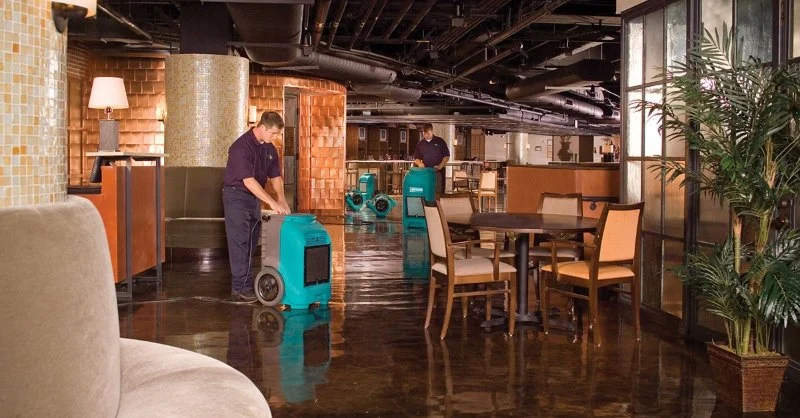
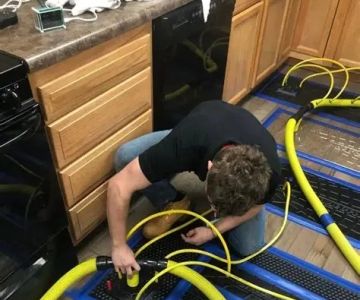
After water extraction, the next step is to dry and dehumidify the affected areas. This is typically done using large fans and dehumidifiers to ensure the area dries quickly and thoroughly. Without proper drying, mold and mildew can begin to develop, further complicating the restoration process.
4.3 Cleaning and Sanitizing
Water-damaged surfaces need to be cleaned and sanitized to ensure they are safe and free of harmful bacteria. In a kitchen, this is particularly important to maintain food safety. Surfaces that come in contact with food need to be disinfected thoroughly after water damage.
4.4 Repairs and Restoration
Once the kitchen is dry and sanitized, the next step is repairing any damaged equipment or structural components. This may include replacing damaged drywall, fixing plumbing issues, or restoring appliances. This phase aims to restore the kitchen to its pre-damage condition.
5. Preventing Future Water Damage in Commercial Kitchens
Once your kitchen has been restored, it’s important to take steps to prevent future water damage. Here are some preventive measures you can take:
5.1 Regular Inspections
Regularly inspect your kitchen’s plumbing, HVAC system, and roof to identify potential issues early. Fixing minor leaks or repairs before they become major problems can save you time and money in the long run.
5.2 Maintain Appliances and Plumbing
Proper maintenance of dishwashers, sinks, and other appliances is crucial. Check for leaks or clogs, and ensure that all plumbing is working efficiently. Keeping these systems in good condition will help prevent overflows and water damage.
5.3 Install Leak Detection Systems
Consider installing leak detection systems in critical areas of your kitchen. These systems can alert you to leaks before they cause significant damage, allowing you to address issues promptly.
If you're dealing with water damage in your commercial kitchen, it’s essential to act fast. For expert water damage restoration services, visit Reliable Damage Hub, where we offer the best solutions for repairing and restoring your kitchen.
 Crawlspace Medic of the Sandhills5.0 (145 reviews)
 Basement Waterproofing One5.0 (1 reviews)
 Restoration Techs5.0 (102 reviews)
 PuroClean of West Los Angeles4.0 (23 reviews)
 Basement Waterproofing Solutions4.0 (58 reviews)
 Reliable Water Restoration of Fort Collins4.0 (17 reviews)
 What to Do if Your Roof Is Leaking and Causing Water Damage Inside
 Water Damage Repair for Attics and Ceilings - Trusted Restoration Services
 Water Damage Repair for Commercial Properties: Key Considerations and Tips
 Understanding Different Types of Water Damage: Clean, Gray, and Black Water Explained
 How to Dry Out Water-Damaged Rugs Quickly: Best Methods & Tips
 The Dangers of Untreated Water Damage in Your Home