
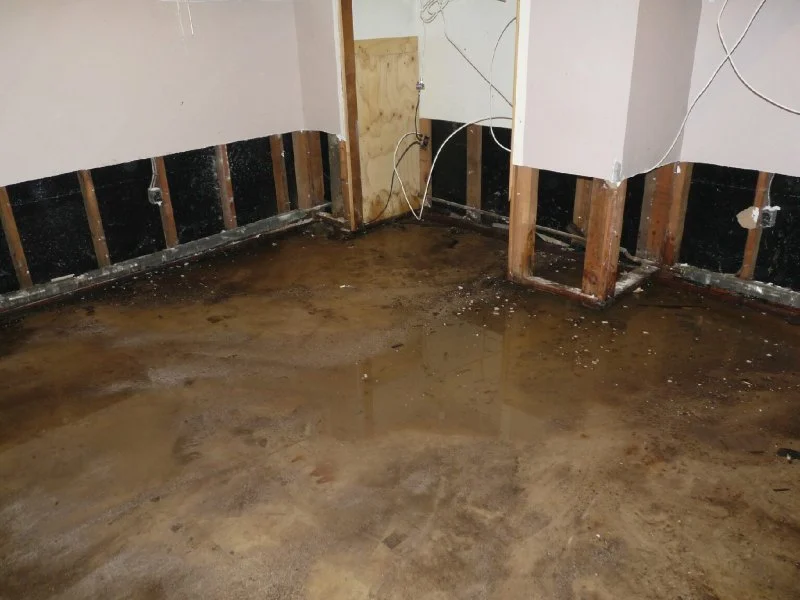
How to Handle Water Damage From Basement Condensation
- 1- Identify the Source of Condensation
- 2- Dry the Affected Area
- 3- Prevent Future Condensation Issues
- 4- Repair Structural Damage
- 5- Seek Professional Help if Needed
1- Identify the Source of Condensation
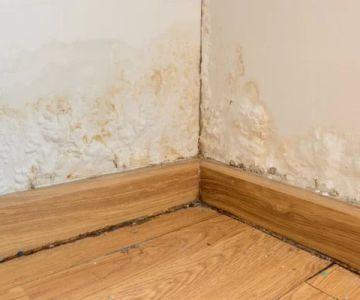
The first step in addressing water damage from basement condensation is to identify the source of the moisture. Condensation can occur when warm, moist air comes into contact with cool surfaces like basement walls or floors. This creates a damp environment that promotes mold growth and water damage over time.
Look for areas where water is accumulating, such as near windows, vents, or uninsulated pipes. Pay attention to areas where the temperature difference between the interior and exterior walls is significant. Identifying the source will help you understand how to effectively address the problem.
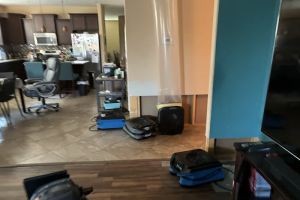
Drip Restoration / valleywide restoration mesa az
932 S Stapley Dr, Mesa, AZ 85204, USA
2- Dry the Affected Area
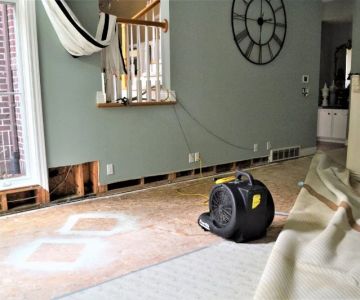
Once you've identified the source of condensation, it's crucial to dry out the affected areas as quickly as possible. Use a dehumidifier to remove moisture from the air, and consider using fans to circulate air and speed up the drying process. It's essential to dry the area within 24-48 hours to prevent mold growth and further damage to your home.
If you have standing water or puddles in your basement, use a wet/dry vacuum to remove as much water as possible. Be sure to dry out any carpeting, insulation, or wood surfaces, as these can absorb moisture and become breeding grounds for mold.
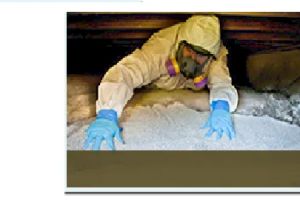
Giants / dry kings restoration of san francisco
San FranciscoSan Francisco CountyCalifornia
685 Geary Blvd, San Francisco, CA 94102, USA
3- Prevent Future Condensation Issues
Once the immediate damage is addressed, it’s time to focus on preventing future condensation issues in your basement. This involves controlling the humidity levels and improving ventilation. Here are some steps you can take:
- Install a vapor barrier on basement walls and floors to prevent moisture from entering.
- Improve insulation on walls, floors, and ceilings to maintain temperature consistency.
- Consider installing an exhaust fan or ventilation system to improve airflow in the basement.
- Regularly check and maintain gutters and downspouts to ensure water flows away from your foundation.
4- Repair Structural Damage
If condensation has caused any structural damage to your basement, it’s important to repair it as soon as possible. This may include fixing cracks in the foundation, replacing rotting wood, or repairing any water-damaged drywall.
Neglecting these repairs can result in more serious issues, such as weakened structural integrity or pest infestations. If you're unsure how to handle repairs, it may be wise to consult with a professional contractor who can assess the damage and recommend the appropriate steps.
5- Seek Professional Help if Needed
If you find that the water damage from condensation is extensive or if you're unable to identify the source of the problem, it may be time to seek professional help. Water damage restoration specialists can help with the cleanup process, offer advice on preventing future issues, and even handle mold remediation if necessary.
Don’t hesitate to call a trusted expert to ensure your home is safe and secure. If you need assistance, check out Reliable Damage Hub for the best products and services to address your needs.
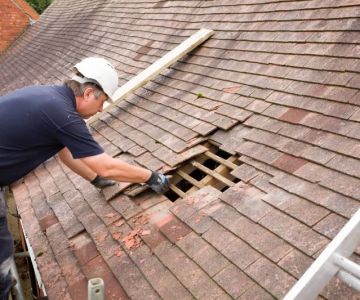
 Good Roads Water Damage Experts5.0 (1 reviews)
 R&R Foundation Specialist4.0 (305 reviews)
 MJ White4.0 (102 reviews)
 ATI Restoration3.0 (25 reviews)
 Modernistic4.0 (251 reviews)
 ServiceMaster Cleaning Services4.0 (27 reviews)
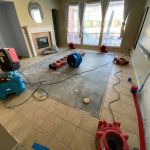 Water Damage Restoration for Retail Spaces – Expert Tips and Real Cases
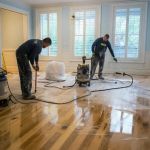 How to Prevent and Repair Water Damage in Commercial Properties
 How to Protect Your Home’s Electrical System from Water Damage: Essential Tips
 Flooded Basement? Here’s How to Restore It Safely
 How to Handle Water Damage After a Storm: A Step-by-Step Guide
 How to Handle Water Damage from Burst Pipes: A Step-by-Step Guide