
- 1. Understanding Water Damage in Your Ceiling
- 2. Identifying Water Damage in Your Ceiling
- 3. Causes of Ceiling Water Damage
- 4. Steps to Fix Water Damage in Your Ceiling
- 5. Real-Life Case Study: Dealing with Ceiling Water Damage
1. Understanding Water Damage in Your Ceiling
Water damage in your ceiling is more than just an eyesore; it can lead to significant structural problems, mold growth, and even electrical hazards. Understanding how water damage affects your ceiling is the first step in identifying the problem and taking action before it worsens.
SERVPRO of Pompano Beach / servpro fort lauderdale south
Pompano BeachBroward CountyFlorida
2101 NW 33rd St #200a, Pompano Beach, FL 33069, USA
1.1 Why Ceiling Water Damage Matters
Ceiling water damage often indicates an issue with your roof, plumbing, or ventilation system. Left untreated, it can lead to weakening of the ceiling structure, mold buildup, and even damage to electrical wiring hidden within the ceiling. It is important to address water damage as soon as possible to prevent costly repairs and health risks associated with mold growth.
Giants / dry kings restoration of san francisco
San FranciscoSan Francisco CountyCalifornia
685 Geary Blvd, San Francisco, CA 94102, USA
1.2 Potential Risks of Untreated Water Damage
When water enters your ceiling, it can cause the drywall or plaster to weaken, leading to sagging or collapse. Prolonged exposure to moisture also creates the perfect environment for mold to thrive, which can impact indoor air quality and health. Additionally, water damage can lead to issues with insulation and electrical wiring, which may not be immediately visible but can present serious safety concerns.
2. Identifying Water Damage in Your Ceiling
Identifying water damage early is key to preventing major issues. Here’s how you can spot signs of water damage in your ceiling.
2.1 Visible Signs of Ceiling Water Damage
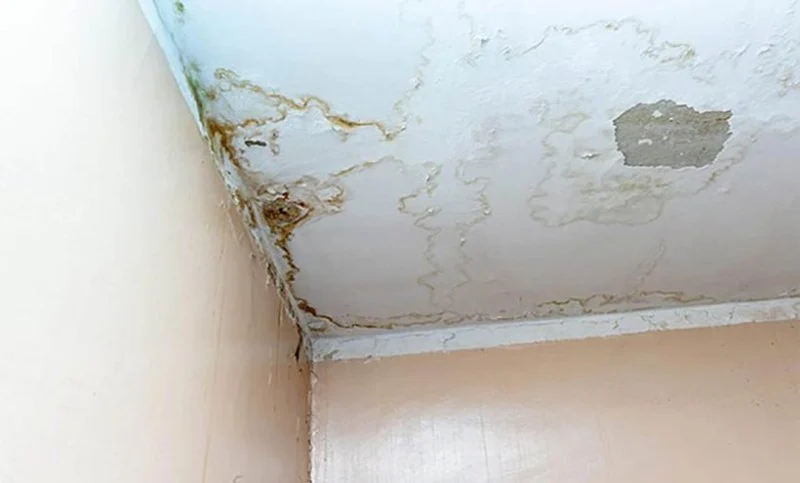
The first signs of water damage in your ceiling may be visible stains, discoloration, or sagging. Look for:
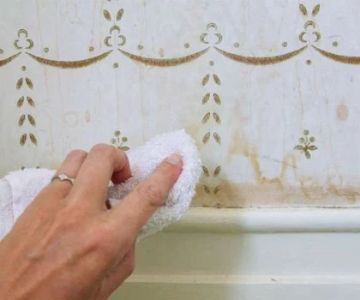
- Water stains that appear yellow, brown, or rust-colored
- Sagging or bulging areas in the ceiling
- Cracks or peeling paint near the stain
If you notice these signs, it’s important to investigate further to determine the source of the water and how far the damage has spread.
2.2 Musty Odors
If you notice a musty or moldy smell in your home, especially around your ceiling, this can indicate mold growth caused by trapped moisture. Pay attention to any unusual odors and take action as soon as possible to address potential water damage.
2.3 Check for Mold Growth
If your ceiling has been exposed to water for an extended period, mold may begin to grow. Mold can appear as small, dark spots or fuzzy patches on the surface of the ceiling. It is essential to clean up mold immediately to prevent further health risks.
3. Causes of Ceiling Water Damage
Several factors can contribute to water damage in your ceiling. Identifying the cause is crucial for preventing future issues and ensuring proper repairs.
3.1 Roof Leaks
One of the most common causes of ceiling water damage is a roof leak. If your roof has missing shingles, cracked flashing, or damaged underlayment, water can easily seep into the attic and then into the ceiling. Roof leaks are often caused by age, wear and tear, or storm damage.
3.2 Plumbing Leaks
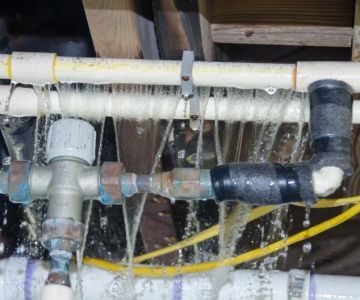
Another common cause of ceiling water damage is a plumbing leak. If your bathroom or kitchen is directly above the affected ceiling, a leaking pipe or fixture could be the source of the water damage. Plumbing leaks can occur in both the pipes running through the ceiling and the upper floors of your home.
3.3 Condensation Issues
In areas with high humidity, condensation can form on the pipes running through the ceiling, leading to water damage over time. Insufficient insulation or improper ventilation can exacerbate this issue.
3.4 Faulty HVAC Systems
If your HVAC system is not properly maintained, it can cause water to accumulate in the ducts or evaporator coils, leading to water damage in your ceiling. Leaky ducts or a clogged drain line can result in moisture buildup, which can damage the ceiling below.
4. Steps to Fix Water Damage in Your Ceiling
Once you’ve identified water damage in your ceiling, it’s essential to take the necessary steps to fix it. Below are the key actions you need to take to repair the damage and prevent further issues.
4.1 Stop the Source of the Leak
The first step in fixing water damage is stopping the source of the leak. This may involve repairing a roof leak, fixing a plumbing issue, or addressing condensation problems. If you're unsure where the leak is coming from, it’s best to call a professional to help locate the source.
4.2 Dry the Affected Area
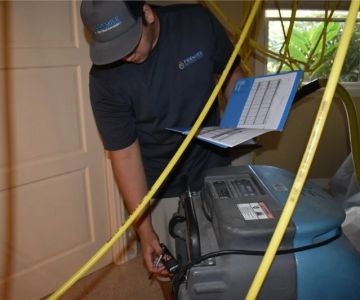
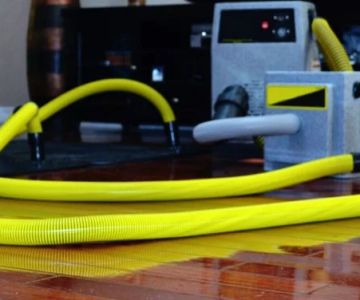
Once the leak is stopped, the next step is to dry out the affected ceiling. Use fans, dehumidifiers, or even professional drying equipment to remove moisture. The ceiling should be completely dry before repairs can begin to prevent mold growth.
4.3 Repair the Ceiling
Depending on the extent of the damage, you may need to replace sections of the drywall or ceiling tiles. In less severe cases, you can patch up small holes or cracks using joint compound. Repainting and retexturing the ceiling will restore its appearance. If you're dealing with significant water damage, it’s best to consult a professional contractor for repairs.
4.4 Prevent Future Water Damage
After repairing the ceiling, it's essential to take measures to prevent future water damage. This includes maintaining your roof, fixing any plumbing leaks, and improving ventilation and insulation in your attic. Regular inspections and preventative maintenance will help avoid recurring issues.
5. Real-Life Case Study: Dealing with Ceiling Water Damage
John, a homeowner in Florida, noticed brown water stains on his living room ceiling after a heavy rainstorm. Upon investigation, he discovered that a few shingles on his roof had come loose during the storm, allowing water to leak into his attic and eventually seep through the ceiling. John quickly contacted a roofing contractor to fix the roof leak and then worked with a professional restoration company to repair the ceiling. The repairs were completed within a week, and John took steps to maintain his roof to prevent future issues.
John's proactive approach to identifying the issue, fixing the leak, and addressing the ceiling damage saved him from more extensive repairs and potential mold growth. His story shows how quickly water damage can spread and the importance of early intervention.
If you're dealing with water damage in your ceiling, visit Reliable Damage Hub for expert solutions and products to help you manage and restore your home.
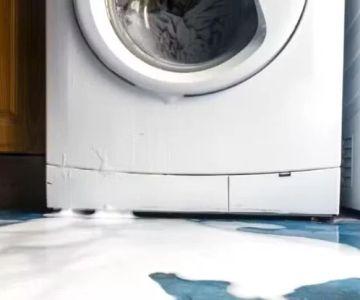
 24/7 Flood & Fire4.0 (180 reviews)
 New York Emergency Board-Up Restoration Company5.0 (43 reviews)
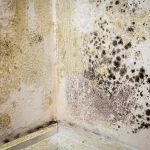 Water Damage & Flood Cleanup Bonita Springs4.0 (11 reviews)
 SERVPRO of The Dutch Fork4.0 (46 reviews)
 Three Reasons Painting & Restoration4.0 (43 reviews)
 Blue Diamond Floor Care5.0 (215 reviews)
 The Role of a Water Damage Restoration Professional in Your Home Repairs
 What You Need to Know About Water Damage in Commercial Properties
 Water Damage Restoration for Commercial Kitchens - Expert Guide
 How to Clean Your Home After Water Damage and Prevent Mold
 What Happens During a Professional Water Damage Assessment
 Water Damage Repair for Wall Insulation