

- - Understanding the Impact of Water Damage in Storage Areas - #understanding-water-damage
- - Immediate Actions After Discovering Water Damage - #immediate-actions
- - Removing Moisture and Preventing Mold Growth - #moisture-removal
- - Saving Furniture, Boxes, and Personal Belongings - #saving-belongings
- - Real Restoration Stories from Homeowners - #real-restoration-stories
- - Common Mistakes That Make Water Damage Worse - #common-restoration-mistakes
- - Long-Term Protection Strategies for Storage Spaces - #long-term-protection
- - Expert Advice for Successful Water Damage Recovery - #expert-advice
Understanding the Impact of Water Damage in Storage Areas
Storage areas are often overlooked parts of a home until something goes wrong. Basements, garages, utility rooms, attics, and storage closets frequently hold valuable personal belongings, family keepsakes, seasonal decorations, paperwork, furniture, and electronics. When water damage occurs in these spaces, the emotional and financial impact can become overwhelming very quickly.
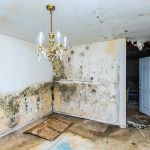
Many homeowners searching for how to restore water-damaged storage areas are dealing with more than simple wet flooring. Water damage can weaken walls, ruin insulation, create hidden mold growth, and permanently damage stored belongings within hours. Unlike visible living spaces that receive regular attention, storage rooms often remain closed off for long periods, allowing moisture problems to worsen unnoticed.
Heavy storms, burst pipes, faulty water heaters, leaking foundations, and sewer backups are among the most common causes of water damage in American homes. In flood-prone regions, even minor weather events can create serious moisture problems inside lower-level storage spaces.
One of the biggest challenges with storage-area water damage is delayed discovery. A homeowner may not realize the issue exists until a strong odor appears or boxes begin showing visible signs of mold and deterioration. By then, hidden moisture may already be affecting drywall, wooden shelving, and insulation behind walls.

Kustom US Restoration / kustom restoration
1215 W Houston Ave Suite A, Gilbert, AZ 85233, USA
Immediate Actions After Discovering Water Damage
The first few hours after discovering water damage are often the most important. Quick action can significantly reduce long-term repair costs and prevent mold from spreading throughout the storage area.
Safety should always come first. Before entering a flooded space, homeowners should check for electrical hazards, unstable flooring, or contaminated water exposure. Standing water near electrical outlets or appliances can create dangerous conditions that require professional assistance.
After ensuring the area is safe, removing excess water becomes the top priority. Wet vacuums, pumps, towels, and industrial fans are commonly used to begin the drying process immediately. The faster moisture is removed, the lower the chance of severe structural damage.
A homeowner in Louisiana shared how a burst pipe flooded his basement storage room during winter while the family was traveling. Because a neighbor noticed water quickly and shut off the main supply, the family avoided thousands of dollars in additional damage. Fast response often makes the difference between simple restoration and complete replacement.
Another critical step is separating salvageable items from heavily damaged belongings. Cardboard boxes, fabrics, and paper materials absorb moisture rapidly and may require immediate drying or disposal depending on contamination level.

Wizard Restorations Inc / puroclean of san fernando
Rancho CucamongaSan Bernardino CountyCalifornia
10245 8th St, Rancho Cucamonga, CA 91730, USA
Removing Moisture and Preventing Mold Growth
One of the most difficult aspects of water damage restoration storage rooms is controlling hidden moisture. Even after visible water disappears, dampness can remain trapped behind walls, under flooring, and inside stored materials.
Mold growth can begin within 24 to 48 hours under the right conditions. This is why professional restoration experts often focus more on moisture detection than surface appearance alone.
Industrial dehumidifiers are extremely effective for reducing humidity levels in enclosed spaces. Combined with air circulation fans, they help accelerate evaporation and prevent lingering dampness.
Porous materials such as drywall, carpet padding, and insulation often require removal if heavily saturated. While some homeowners attempt to save every material, damaged porous surfaces can continue harboring moisture long after they appear dry.
A family in Florida learned this lesson after restoring a flooded storage room themselves following a tropical storm. Although the area initially looked clean, hidden moisture inside drywall eventually caused severe mold growth several weeks later, requiring extensive secondary repairs.
Disinfection also matters, especially if the water source involved flooding or sewage contamination. Cleaning solutions designed for restoration use help eliminate bacteria and reduce odor buildup.
Saving Furniture, Boxes, and Personal Belongings
Many people experiencing storage-room flooding are emotionally attached to the items inside. Holiday decorations, childhood memorabilia, family photographs, books, and inherited furniture often carry sentimental value far beyond financial cost.
When attempting water damaged belongings recovery, drying speed is critical. Paper items should be separated carefully and air-dried individually when possible. Photographs often respond better to professional restoration methods if exposure is severe.
Wooden furniture may survive water exposure if dried gradually and evenly. Rapid drying under direct heat can sometimes cause cracking or warping. Leather items, however, are more difficult to recover once deeply saturated.
Plastic storage containers generally provide much better protection than cardboard boxes during flooding events. Many restoration professionals now recommend waterproof storage systems for basement and garage environments vulnerable to moisture.
One homeowner from New Jersey explained how switching from cardboard storage to sealed plastic bins after a basement flood prevented major losses during a second water incident several years later.
Real Restoration Stories from Homeowners
Real-world restoration experiences often reveal the emotional side of water damage that statistics cannot fully capture. One family in Texas returned home after a severe thunderstorm to find several inches of water covering their garage storage room.
Initially overwhelmed, they focused first on protecting irreplaceable family photographs and personal records before addressing structural cleanup. According to the homeowner, preserving sentimental items helped reduce emotional stress during the restoration process.
Another example comes from a retired couple in Oregon who discovered long-term foundation leakage behind stored furniture in their basement. Because the leak developed gradually over months, mold spread extensively before becoming visible.
After professional remediation and improved drainage installation, the couple completely reorganized their storage approach using raised shelving and moisture-resistant containers. The experience permanently changed how they managed storage safety.
These stories highlight an important reality: restoration is not only about drying buildings but also about protecting memories, routines, and peace of mind.
Common Mistakes That Make Water Damage Worse
One of the most common restoration mistakes is waiting too long to begin cleanup. Some homeowners assume minor flooding will dry naturally over time, but trapped moisture often spreads further into walls and flooring.
Another major issue is underestimating hidden water damage. Surfaces may appear dry while insulation, subflooring, or framing materials remain saturated internally.
Improper ventilation can also worsen mold risk. Closing windows and reducing airflow after flooding traps humidity inside the storage area, slowing evaporation and encouraging microbial growth.
Using household fans alone is another frequent limitation. While fans help circulation, they are often insufficient without proper dehumidification in heavily saturated spaces.
A restoration contractor from Colorado explained during a home maintenance seminar that secondary damage caused by delayed action often costs more than the original flooding event itself.
Long-Term Protection Strategies for Storage Spaces
Preventing future damage is just as important as completing current repairs. Homeowners who successfully restore flooded spaces often take additional measures to reduce future risk.
Installing sump pumps, improving drainage systems, sealing foundation cracks, and upgrading insulation can significantly reduce vulnerability to future moisture problems.
Elevated shelving systems also provide valuable protection. Keeping belongings off the floor minimizes direct water exposure during minor leaks or flooding incidents.
Climate control and humidity monitoring have become increasingly common in modern storage design. Digital humidity sensors allow homeowners to detect moisture changes early before visible damage develops.
Storage organization itself can also improve safety. Separating valuable items into waterproof containers and labeling materials clearly makes emergency response faster and more efficient.
Reliable Damage Hub is frequently explored by homeowners looking for practical restoration guidance, moisture prevention strategies, and professional recommendations for protecting vulnerable storage areas.
Expert Advice for Successful Water Damage Recovery
Restoration professionals consistently emphasize that successful recovery depends on balancing urgency with careful planning. Acting quickly is essential, but rushing without proper drying assessment can create additional long-term problems.
Experts often recommend documenting damage immediately for insurance purposes before major cleanup begins. Photographs, inventory records, and repair estimates help simplify claims and reduce disputes later.
Another important recommendation is knowing when professional help is necessary. Severe flooding, contamination, electrical hazards, and extensive mold growth typically require specialized equipment and expertise beyond standard household cleaning methods.
Patience also plays a major role in successful restoration. Drying, dehumidification, sanitation, and rebuilding can take longer than many homeowners initially expect. Attempting to rush the process often leads to recurring moisture issues later.
Ultimately, learning how to restore water-damaged storage areas is about more than repairing physical spaces. It involves protecting personal belongings, preserving home safety, and creating long-term systems that reduce future risk. With the right combination of immediate action, proper drying methods, preventive planning, and professional guidance when needed, even severely damaged storage spaces can often be restored successfully.


 SERVPRO of North Miami5.0 (90 reviews)
 Swan's5.0 (37 reviews)
 Ohio Basement Authority4.0 (50 reviews)
 RECROMAX4.0 (46 reviews)
 Brighten5.0 (2 reviews)
 Mason-Dixon Restoration5.0 (144 reviews)
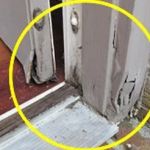 How to Repair Water-Damaged Doors and Frames
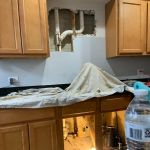 Effective Methods to Repair Water-Damaged Cabinets in Your Kitchen
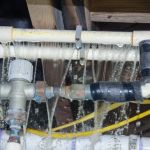 How to Prevent Water Damage from Faulty Plumbing Systems
 Water Damage Repair for Kitchen Flooring: A Complete Guide
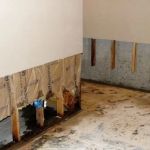 How to Repair Water-Damaged Wall Panels: A Step-by-Step Guide
 What You Should Know About Water Damage Restoration and Mold Growth