
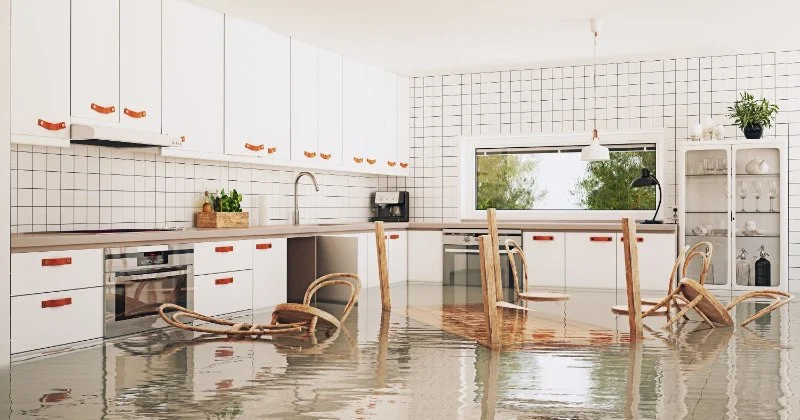
1. Understanding Water Damage in Kitchen Flooring
Water damage in kitchen flooring is a common problem that can result from various sources, including leaks, floods, or spills. Kitchens are often exposed to water due to plumbing issues, dishwashing activities, or simply the everyday spills that occur during cooking. When water seeps into your flooring, it can cause structural damage, stains, and even mold growth if not addressed promptly. Understanding how water affects different types of flooring is the first step in determining the right repair solution for your kitchen.
In this article, we’ll explore how to identify the signs of water damage in kitchen floors, the potential risks involved, and the best methods to repair and restore your kitchen flooring. Whether you have hardwood, laminate, tile, or vinyl floors, there are specific repair techniques that can help you fix the damage and restore the beauty of your kitchen.
SERVPRO of Pompano Beach / servpro fort lauderdale south
Pompano BeachBroward CountyFlorida
2101 NW 33rd St #200a, Pompano Beach, FL 33069, USA
2. Identifying Water Damage in Kitchen Flooring
The first step in addressing water damage in your kitchen is identifying it early. The longer water sits on your flooring, the more damage it can cause. Here are some common signs to look out for:
- Warping or Buckling: If you have hardwood or laminate flooring, one of the first signs of water damage is warping or buckling. The floorboards may begin to lift, creating an uneven surface.
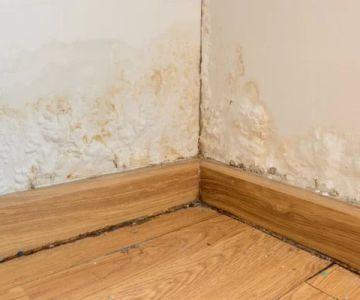
- Discoloration: Water can cause discoloration, especially on wooden or laminate floors. You might notice dark spots, staining, or a cloudy appearance on your flooring.
- Mold and Mildew Growth: Kitchens are humid environments, and when water is left unattended, it can create the perfect breeding ground for mold and mildew. These fungi can appear as dark patches, often with a musty smell.
- Soft or Spongy Floors: If your kitchen floor feels soft or spongy when you walk on it, this is a sign that the flooring material has absorbed water and is beginning to break down. This is especially common with vinyl or wood floors.
3. Steps to Repair Water-Damaged Kitchen Flooring
Once you’ve identified water damage in your kitchen flooring, it’s important to act quickly. Delaying repairs can worsen the problem and lead to higher repair costs. Here’s a step-by-step guide to repairing water-damaged kitchen flooring:

Kustom US Restoration / kustom restoration
1215 W Houston Ave Suite A, Gilbert, AZ 85233, USA
Step 1: Remove Moisture and Dry the Area
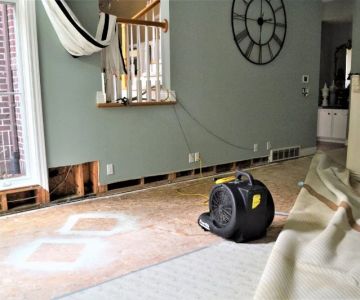
The first and most important step in repairing water damage is to remove the moisture. If there is standing water, use a wet vacuum or mop to soak it up. Afterward, thoroughly dry the area using fans or a dehumidifier. The longer the water sits, the deeper it penetrates the flooring, causing more damage.
Step 2: Assess the Extent of the Damage
Once the area is dry, assess the extent of the damage. Check if the floorboards are warped, the tiles have cracked, or if there is visible mold growth. Depending on the severity of the damage, you may need to remove and replace damaged sections of flooring or simply fix the surface issues.
Step 3: Repair or Replace Damaged Flooring
- Hardwood Flooring: For minor water damage on hardwood floors, sanding and refinishing the affected area might be enough to restore its appearance. However, if the boards are severely warped or swollen, they may need to be replaced.
- Laminate Flooring: Laminate floors are more prone to water damage, as the layers can swell and delaminate. If the damage is localized, you can replace individual boards. For more extensive damage, the entire floor may need replacement.
- Tile Flooring: If the grout is damaged, you may need to remove the grout and replace it. For cracked tiles, it’s important to replace the damaged tiles to maintain the integrity of the flooring.
- Vinyl Flooring: Vinyl is generally more water-resistant, but if it has absorbed water, it may begin to peel or warp. You can repair small areas with vinyl patch kits, but extensive damage may require replacing sections of the vinyl.
Step 4: Prevent Future Water Damage
Once the damage is repaired, it's important to take steps to prevent future water damage. Check for leaks in plumbing, install waterproof mats under sinks or dishwashers, and ensure proper ventilation in the kitchen to avoid excess moisture buildup. Regularly inspect your flooring for signs of wear and tear, and address any minor issues before they turn into major problems.
4. Tips for Maintaining Your Kitchen Flooring After Repair
After repairing water damage in your kitchen flooring, maintaining it is key to ensuring it lasts. Here are some maintenance tips to keep your flooring in top condition:
- Keep It Dry: Always clean up spills promptly, especially if they involve liquids like water, oil, or grease. Use a dry mop or cloth to wipe down the floor regularly.
- Use Rugs and Mats: Place rugs or mats in areas prone to water exposure, such as near the sink, dishwasher, or refrigerator. These will help absorb spills and protect your flooring from damage.
- Regularly Inspect for Leaks: Ensure that plumbing and appliances are in good working condition and check for any potential leaks. Fixing leaks quickly can prevent water from seeping into your flooring again.
5. Case Study: How a Local Kitchen Flooring Repair Saved a Homeowner's Kitchen
One homeowner in Texas experienced significant water damage to their kitchen flooring after a refrigerator leak went unnoticed for several days. The laminate flooring was swollen and had visible discoloration. The homeowner called in professionals to assess the damage, and they were able to replace the damaged boards and restore the kitchen floor to its original condition. The homeowner also implemented preventive measures, such as placing water-absorbent mats and regularly checking the refrigerator’s water lines to avoid future issues.
This case highlights the importance of quickly addressing water damage and taking proactive steps to prevent further damage. By acting fast and bringing in experts, the homeowner was able to save both their kitchen floor and the overall appearance of their kitchen.
6. How Reliable Damage Hub Can Help with Your Kitchen Flooring Repair
If you’re facing water damage to your kitchen flooring, Reliable Damage Hub is here to help. We offer expert repair services and a range of flooring products to restore your kitchen to its best. Whether you need help with the repair process or need high-quality materials for a new installation, our team can guide you through every step. Visit us today for more information and assistance with your kitchen flooring needs.
7. Conclusion: Timely Repair and Prevention are Key
Water damage to kitchen flooring is a serious issue that can lead to costly repairs if not addressed quickly. By recognizing the early signs of water damage and acting promptly, you can save your flooring from more severe damage. Whether you’re repairing hardwood, laminate, tile, or vinyl flooring, following the right steps and taking preventive measures can ensure that your kitchen remains a functional and beautiful space. Always remember that prompt action and regular maintenance are essential in protecting your kitchen floors from water damage.
 Good Roads Water Damage Experts5.0 (1 reviews)
 R&R Foundation Specialist4.0 (305 reviews)
 MJ White4.0 (102 reviews)
 ATI Restoration3.0 (25 reviews)
 Modernistic4.0 (251 reviews)
 ServiceMaster Cleaning Services4.0 (27 reviews)
 Water Damage Restoration for Retail Spaces – Expert Tips and Real Cases
 How to Prevent and Repair Water Damage in Commercial Properties
 How to Protect Your Home’s Electrical System from Water Damage: Essential Tips
 Flooded Basement? Here’s How to Restore It Safely
 How to Handle Water Damage After a Storm: A Step-by-Step Guide
 How to Handle Water Damage from Burst Pipes: A Step-by-Step Guide